
Processing Steel Bar Scrap: Equipment Selection and Best Practices
Steel bar scrap is a common type of recyclable metal waste generated by construction projects, steel manufacturing plants, metal fabrication workshops, and industrial processing facilities. These materials often include discarded reinforcing bars, steel rods, cut-off pieces, and production leftovers. Although steel bars retain significant recycling value, their length, thickness, and irregular shapes can create challenges during handling and transportation. Selecting suitable processing equipment and following effective operating practices can help recycling facilities improve efficiency and recover valuable materials. The first step in processing steel bar scrap is proper collection and sorting. Steel bars should be separated from non-metallic waste and other metal materials whenever possible. Removing concrete residues, plastics, rubber, and other contaminants helps improve the quality of the recovered steel. Sorting materials according to their dimensions and condition also makes it easier to determine the most suitable processing method.
Cutting is one of the most important stages in steel bar scrap processing. Long steel bars and oversized metal sections may be difficult to transport or feed directly into downstream machinery. Hydraulic metal shears can reduce these materials into manageable lengths, improving handling efficiency and preparing them for further processing. The Q43 Series Alligator Type Metal Shear is suitable for various cutting applications involving manageable metal sections, including steel bars and profiles. For larger or heavier steel scrap, a gantry shear may be a more appropriate option. The Q91Y Series Gantry Type Metal Shear is designed for demanding scrap cutting applications involving bulky metal materials. When selecting between different shear types, businesses should consider bar diameter, material strength, cutting requirements, processing volume, and the available loading equipment.
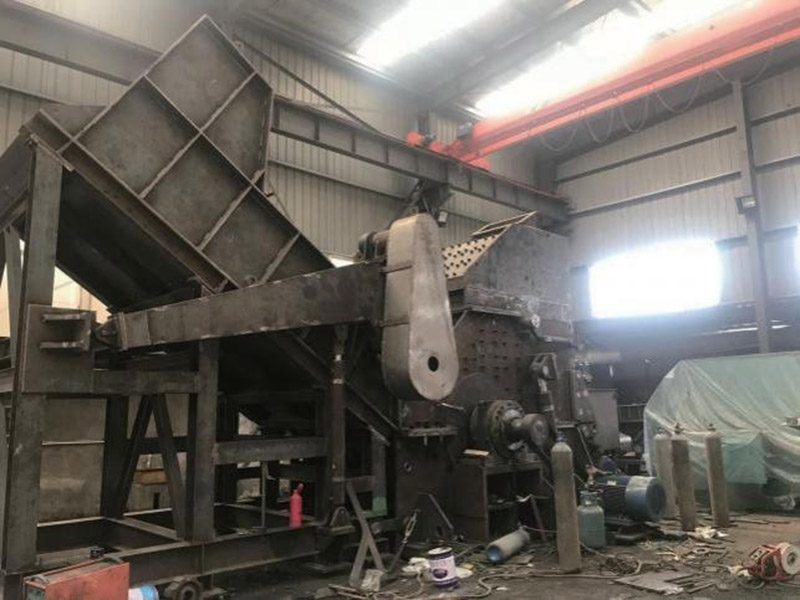
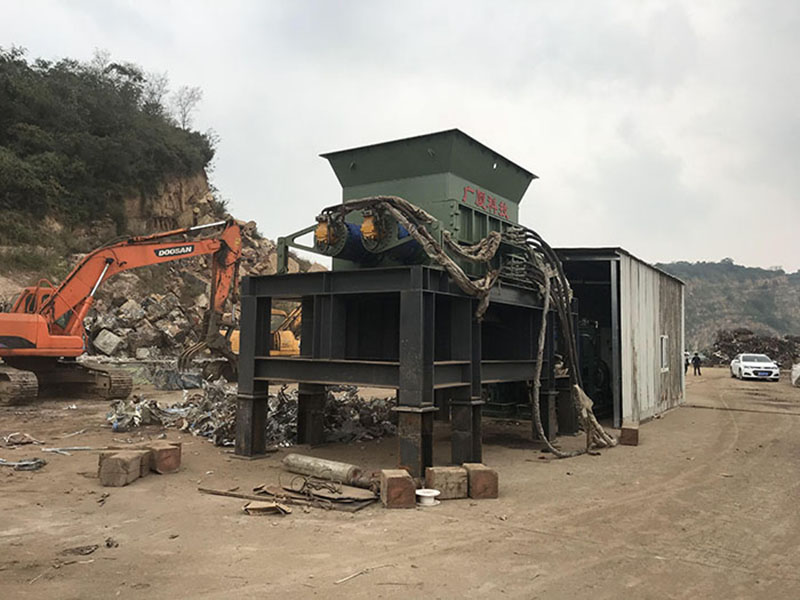
After cutting, steel bar scrap may require additional size reduction depending on the intended recycling process. Metal shredders can break suitable materials into smaller pieces, making them easier to handle and process. However, not every steel bar recycling operation requires shredding. Facilities should evaluate the required output size and downstream processing conditions before investing in additional machinery. Baling is another useful method for managing processed steel scrap. Loose steel pieces can occupy considerable storage space and create transportation difficulties. Hydraulic scrap metal balers compress suitable materials into compact packages, helping improve storage organization and transportation efficiency. The appropriate baler should be selected according to the dimensions, shape, density, and volume of the processed scrap.
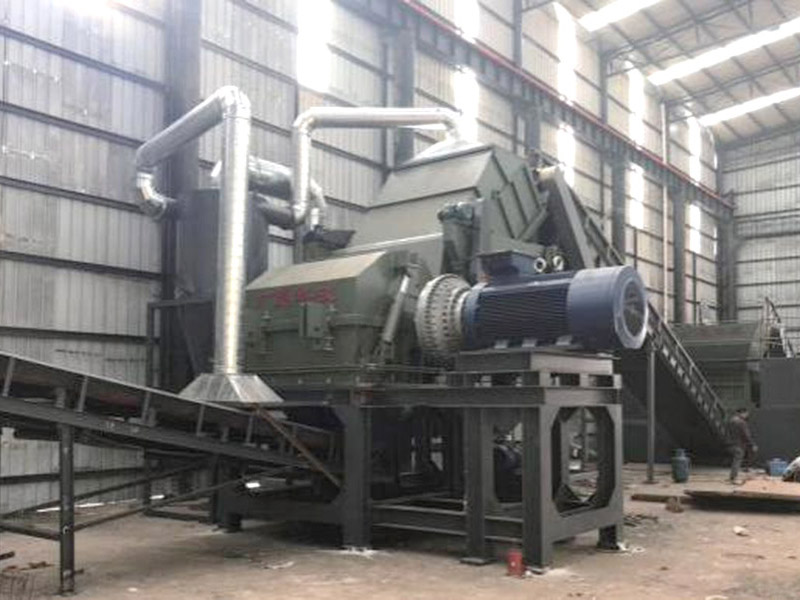
Equipment capacity is a major consideration when building an efficient steel bar recycling system. A machine should match the facility's average daily material intake and expected production targets. Choosing equipment with insufficient capacity can create processing bottlenecks, while excessive capacity may increase unnecessary investment costs. Evaluating current workloads and future expansion plans helps businesses make more practical purchasing decisions. Material handling arrangements also influence overall efficiency. Steel bars are often long and heavy, requiring suitable cranes, loaders, conveyors, or feeding systems. Recycling facilities should plan how materials will be collected, transferred, positioned, and discharged at each processing stage. Coordinating handling equipment with hydraulic shears and other machinery can reduce manual work and improve production continuity.
Maintenance is essential for keeping steel bar scrap processing equipment in reliable working condition. Cutting blades should be inspected regularly for wear, damage, and uneven edges. Hydraulic systems require appropriate oil management, leak inspections, and routine servicing. Operators should also check electrical connections, structural components, and safety devices according to the manufacturer's maintenance recommendations. Safety procedures should be followed throughout the recycling process. Steel bars may have sharp edges, uneven surfaces, and considerable weight, creating risks during loading and cutting. Workers should receive proper training and use appropriate protective equipment. Machine guarding, emergency stop systems, safe feeding procedures, and regular equipment inspections are also important for maintaining a safe working environment.
Jiangyin Guangsha Hydraulic Machinery Co., Ltd. provides hydraulic machinery and scrap recycling solutions for different metal processing applications. Its product range includes Q43 Series Alligator Type Metal Shears, Q91Y Series Gantry Type Metal Shears, scrap metal balers, metal shredders, bale breakers, and other recycling equipment. With different machine configurations and customized solutions, the company can help customers select suitable equipment according to their steel scrap characteristics and production requirements. Overall, efficient steel bar scrap processing depends on proper sorting, suitable cutting equipment, effective material handling, and regular maintenance. By choosing the right hydraulic shear and integrating it with appropriate downstream machinery, recycling facilities can reduce handling difficulties, improve processing efficiency, and prepare steel scrap for reuse. A well-planned processing system not only supports daily production but also contributes to more sustainable metal resource utilization.