
From Scrap Collection to Reuse: The Complete Metal Recycling Process
Metal recycling is an essential part of modern manufacturing and waste management. It helps recover valuable materials from discarded products, industrial waste, construction debris, and obsolete equipment. However, turning scrap metal into reusable raw materials requires several carefully coordinated stages. From collection and sorting to cutting, shredding, compacting, and transportation, each step plays an important role in improving recycling efficiency and material recovery. The process begins with scrap collection. Metal waste comes from various sources, including manufacturing plants, automotive facilities, construction sites, demolition projects, and metal fabrication workshops. Common recyclable materials include steel, iron, aluminum, copper, and other metal alloys. Establishing an organized collection system helps recycling facilities maintain a stable supply of materials and prepare incoming scrap for further processing.
After collection, the scrap is transported to a recycling facility for inspection and sorting. Different metals have different properties and recycling requirements, so separating materials by type is important. Workers and suitable sorting systems remove non-metallic materials and identify scrap that requires special handling. Effective sorting helps reduce contamination and improves the quality of the recovered metal. The next stage involves preparing scrap for processing. Large or irregular metal pieces may be difficult to transport, store, or feed into recycling machinery. Hydraulic metal shears can cut bulky materials into manageable sizes, while suitable pre-shredders and shredders can reduce larger scrap into smaller pieces. Jiangyin Guangsha Hydraulic Machinery Co., Ltd. offers equipment such as Q43 Series Alligator Type Metal Shears, Q91Y Series Gantry Type Metal Shears, and metal shredders for different scrap processing requirements.
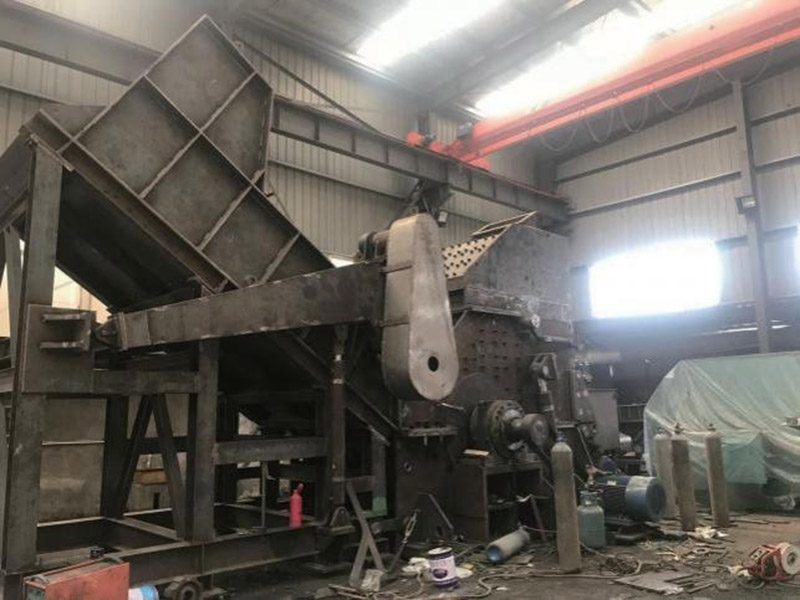
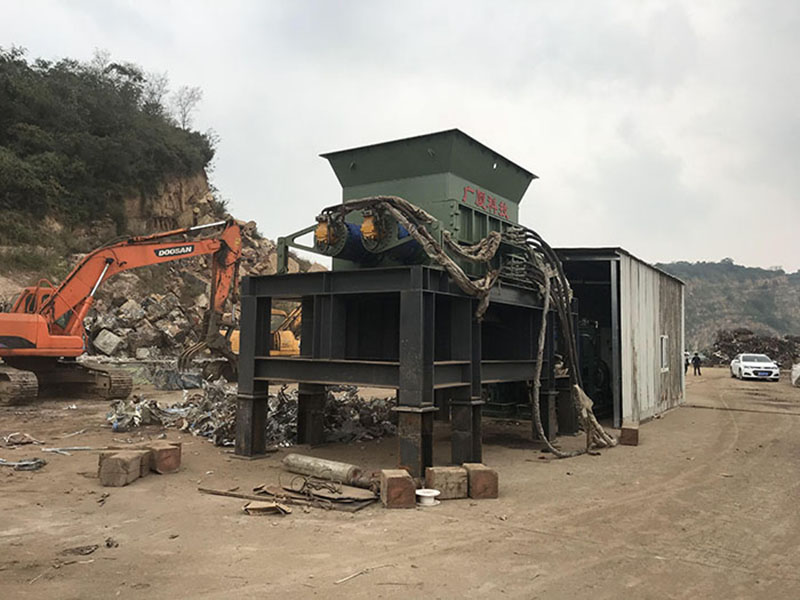
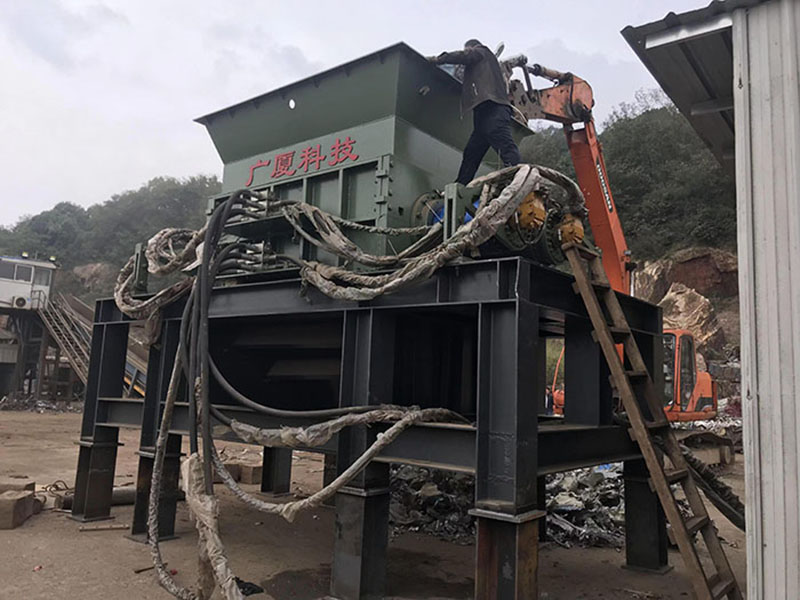
Shredding and crushing are important when scrap materials require further size reduction. Metal shredders break down suitable scrap into smaller fragments, making subsequent material handling and separation easier. Scrap metal crushers can provide additional processing where the material and required output make crushing appropriate. The selection of machinery depends on the scrap type, dimensions, processing capacity, and desired final size. Once the metal has been reduced in size, further separation may be required. Depending on the material and recycling line, magnetic separation, eddy-current separation, screening, or other sorting methods can help separate different metal fractions and remove unwanted materials. Effective separation improves the consistency of recovered scrap and helps downstream users obtain material that better meets their processing requirements.

Compacting is another valuable stage in the recycling process. Loose metal scrap can occupy considerable storage space and create challenges during transportation. Hydraulic scrap metal balers compress suitable scrap into dense bales, helping reduce its volume and making it easier to store, handle, and transport. For facilities processing metal chips from manufacturing operations, hydraulic metal chips briquette presses can also compact suitable loose chips into manageable briquettes. After processing, the recovered metal is inspected and prepared for delivery to downstream users, such as steel mills, foundries, and metal manufacturers. These businesses may apply additional treatments, remove remaining impurities, and melt the material before using it to manufacture new products. The exact requirements depend on the metal type, its quality, and the intended application. Consistent processing and effective quality control help ensure that recycled materials meet the needs of the next production stage.
Equipment maintenance and workflow coordination are essential throughout the recycling process. Cutting, shredding, sorting, and baling machinery must work together to avoid unnecessary delays and material handling. Regular inspections, timely replacement of worn blades, proper hydraulic system maintenance, and trained operators can help maintain stable equipment performance. A well-planned facility layout also supports smoother movement between processing stages. Choosing suitable equipment is therefore an important investment decision for recycling businesses. Factors such as incoming scrap characteristics, daily processing volume, available space, labor requirements, energy consumption, and future expansion plans should all be considered. Jiangyin Guangsha Hydraulic Machinery Co., Ltd. provides a range of hydraulic recycling equipment, including metal shears, scrap metal balers, bale breakers, pre-shredders, crushers, and shredders. Customized equipment solutions can help facilities develop processing workflows suited to their operational needs.
Overall, the metal recycling process connects scrap collection with the recovery and reuse of valuable resources. Every stage, from sorting and size reduction to separation and compacting, contributes to more efficient material management. By combining appropriate processing equipment with effective operating procedures, recycling facilities can improve productivity, reduce unnecessary handling, and help return recovered metals to the manufacturing cycle.