
Key Factors to Consider When Choosing a Container Shear
Choosing the right container shear is essential for scrap metal recycling facilities that process bulky steel structures, discarded shipping containers, and oversized metal waste. The right machine can improve cutting efficiency, simplify material handling, and support a more productive recycling workflow. Before investing in a container shear, businesses should evaluate several factors, including scrap characteristics, cutting capacity, production requirements, machine durability, safety, and maintenance costs. The type of scrap material is one of the first considerations. Recycling facilities may handle shipping containers, heavy steel plates, structural steel, metal frames, and other large metal components. These materials vary in thickness, shape, and strength, which directly affects cutting requirements. Understanding the characteristics of incoming scrap helps businesses select a suitable machine configuration for their daily operations.
Cutting capacity is another important factor. A container shear must provide sufficient cutting force to process the maximum material thickness and dimensions expected at the facility. Equipment with insufficient capacity may struggle with heavy materials, reducing productivity and increasing stress on machine components. Selecting a machine based on actual processing requirements helps balance performance, investment costs, and long-term reliability. Production volume should also guide the purchasing decision. Facilities processing large quantities of scrap need equipment capable of supporting their target throughput and operating schedule. Buyers should assess daily material intake, expected output, operating hours, and future expansion plans. Choosing a container shear that matches these requirements can help maintain a consistent workflow and reduce processing bottlenecks.
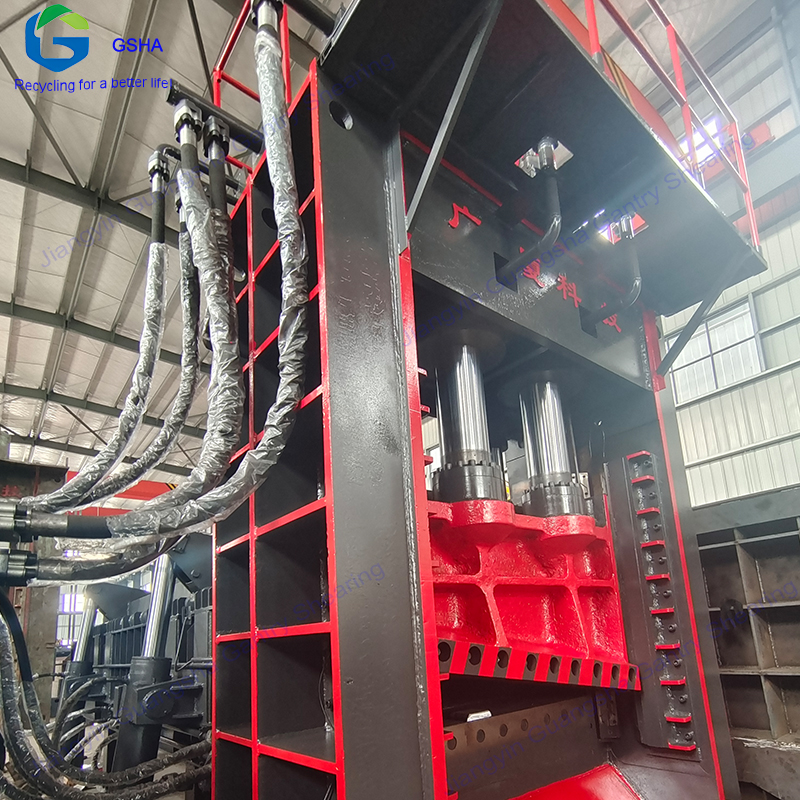
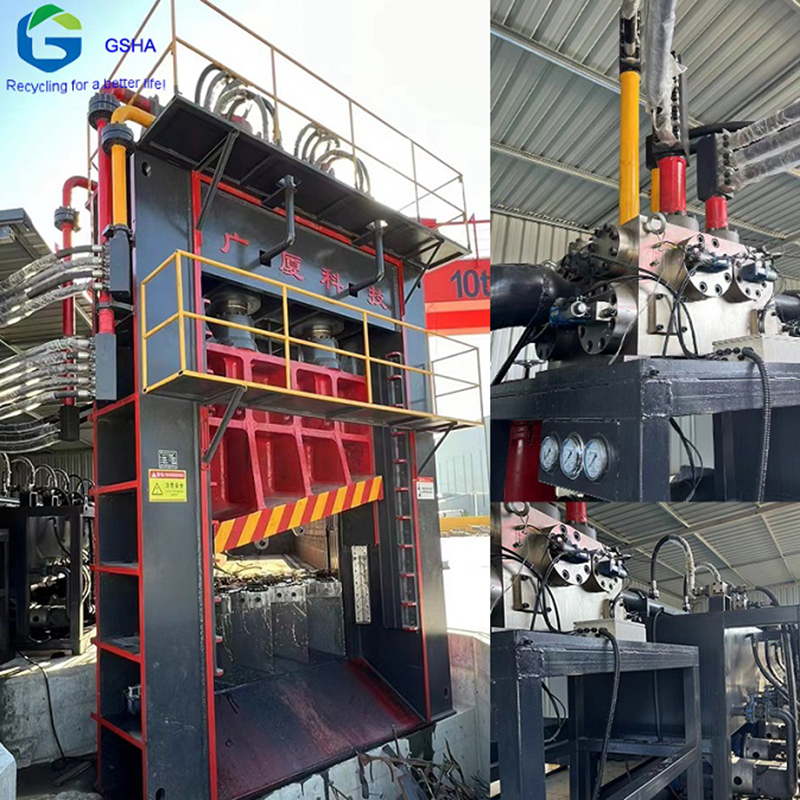
Hydraulic system performance plays a central role in heavy-duty shearing operations. The hydraulic system generates the force required to cut thick metal materials and must operate reliably under demanding conditions. Buyers should consider hydraulic pressure, system stability, control functions, and component quality. A well-designed hydraulic system can support consistent cutting performance and help minimize unexpected interruptions. Machine construction and durability are equally important. Container shears often process heavy, irregular materials that place considerable stress on the frame, cutting mechanism, and other structural components. A robust machine structure and appropriately designed cutting components can improve resistance to operating loads. Businesses should also consider manufacturing quality and the availability of technical support when evaluating equipment suppliers.
Blade quality directly affects cutting efficiency and maintenance requirements. Cutting blades must be suitable for the materials being processed and should maintain their performance during repeated cutting cycles. Wear-resistant blades can help extend service intervals, while accessible blade replacement arrangements can simplify maintenance. Regular inspection and timely replacement of worn blades are important for maintaining reliable cutting results. Material loading and handling methods should not be overlooked. Large shipping containers and bulky steel structures may require cranes, loaders, or other lifting equipment before they can be positioned for cutting. Buyers should evaluate the available working space, loading area, material feeding method, and scrap discharge process. Coordinating the shear with existing handling equipment can reduce unnecessary movement and improve overall operational efficiency.
Safety features are essential when operating heavy hydraulic machinery. Buyers should check the availability of appropriate guarding, emergency stop functions, safe operating controls, and clear maintenance procedures. Workers must receive suitable training and follow the manufacturer's operating instructions. Proper equipment installation, regular inspections, and safe material handling practices also contribute to a safer working environment. Maintenance requirements and total operating costs should be considered alongside the initial purchase price. Hydraulic oil management, blade replacement, lubrication, component inspections, and routine servicing all affect long-term expenses. Businesses should compare spare parts availability, maintenance accessibility, energy consumption, and expected equipment service life to understand the overall cost of ownership.
Manufacturer experience and customization options can also influence equipment selection. Different recycling facilities have different scrap dimensions, production targets, and site layouts. A manufacturer that understands these requirements can help customers identify suitable machine configurations and integrate the shear into an existing processing line. Reliable after-sales service and technical assistance are valuable for maintaining equipment performance over time. Jiangyin Guangsha Hydraulic Machinery Co., Ltd. provides hydraulic machinery and scrap recycling solutions for different industrial applications. Its product range includes the WS Series Container Shear, Q91Y Series Gantry Type Metal Shear, Q43 Series Alligator Type Metal Shear, scrap metal balers, metal shredders, and other recycling equipment. By assessing customers' material characteristics and processing requirements, the company can help them identify suitable equipment for their operations.
In conclusion, choosing a container shear requires more than comparing machine prices or cutting force. Material type, processing capacity, hydraulic performance, structural durability, blade quality, loading methods, safety, maintenance, and manufacturer support all influence long-term results. By evaluating these factors carefully, scrap recycling businesses can select suitable equipment, improve processing efficiency, and establish a more reliable metal recycling workflow.