
Processing Steel Bar Scrap: Equipment Selection and Best Practices
Steel bar scrap is commonly generated by construction projects, steel manufacturing plants, metal fabrication workshops, and industrial production facilities. These materials often include discarded reinforcing bars, steel rods, cut-off pieces, and production leftovers. Although steel bar scrap has considerable recycling value, its length, thickness, and irregular shapes can create challenges during handling, storage, and transportation. Choosing suitable processing equipment and following effective operating practices can help recycling facilities improve productivity and recover valuable metal resources. The first step in steel bar scrap processing is proper collection and sorting. Different types of metal should be separated according to their material characteristics. Removing concrete, plastics, rubber, and other unwanted materials helps improve the quality of recovered steel. Organizing scrap according to its dimensions and condition also makes it easier to select suitable processing equipment.
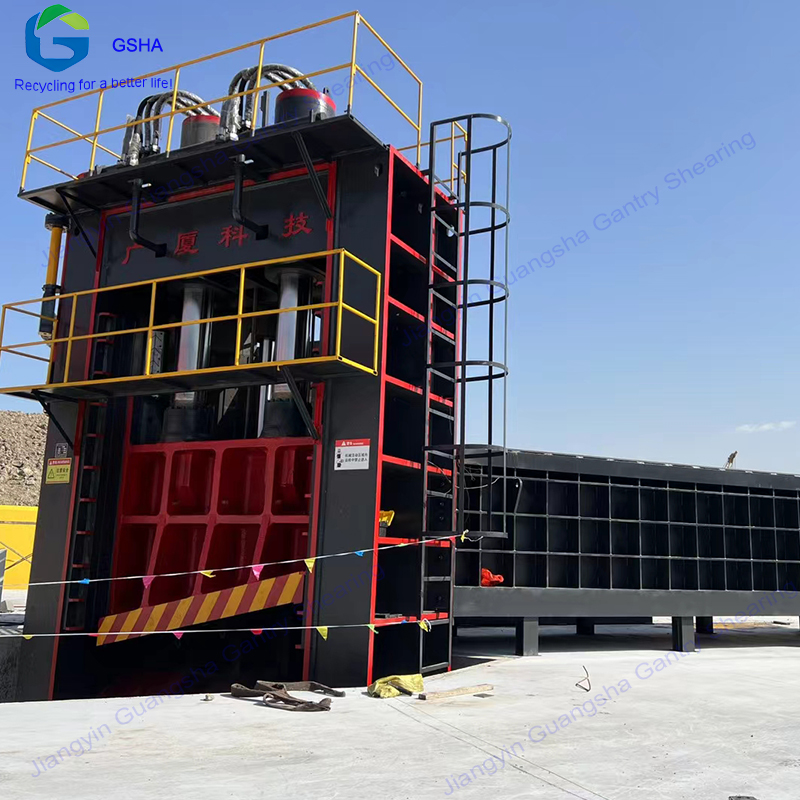
Hydraulic metal shears are among the most important machines for processing steel bar scrap. Long steel bars and oversized metal sections often need to be cut into shorter pieces before further processing. Hydraulic shears provide powerful cutting force, allowing operators to handle different sizes of metal materials efficiently. The Q43 Series Alligator Type Metal Shear is suitable for cutting various manageable metal sections, including steel bars, pipes, and profiles. For larger and heavier steel scrap, gantry shears can provide a more suitable solution. The Q91Y Series Gantry Type Metal Shear is designed for demanding scrap cutting applications involving bulky metal materials. When choosing between an alligator shear and a gantry shear, recycling businesses should consider steel bar diameter, material strength, cutting capacity, processing volume, and available loading equipment.
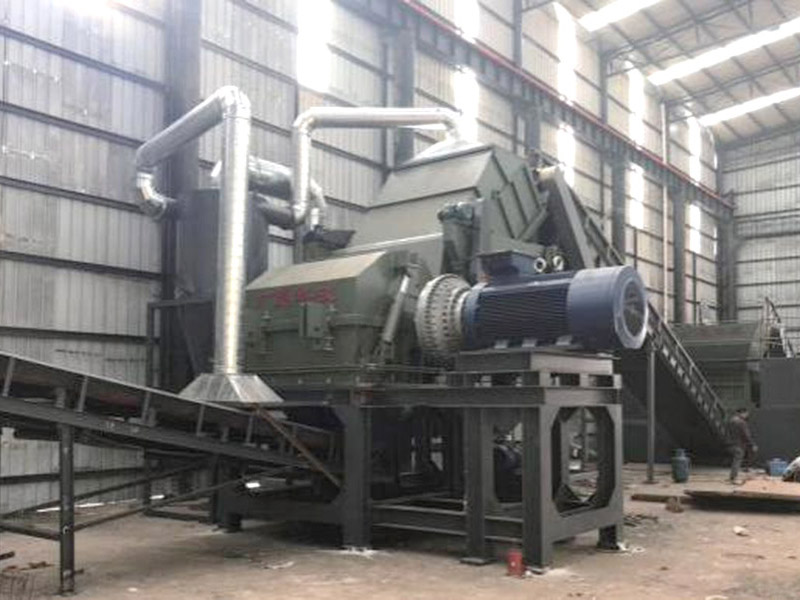
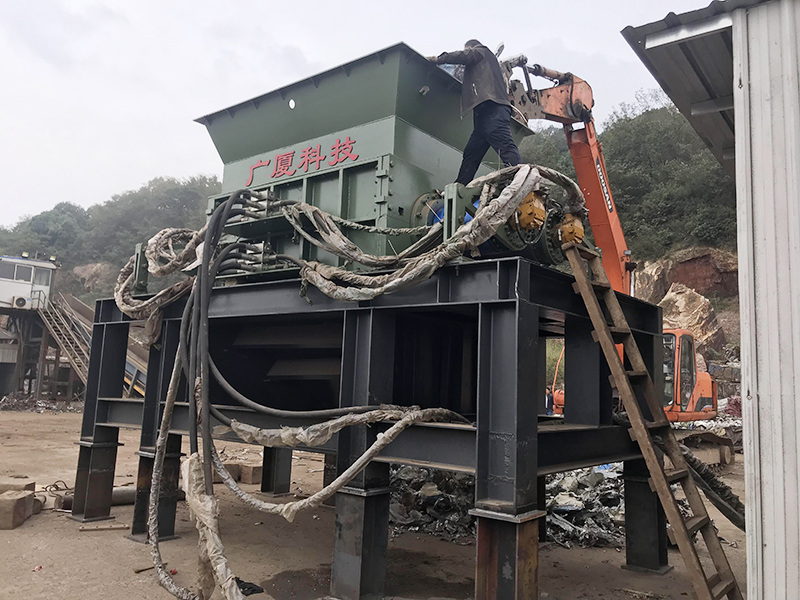
After cutting, steel bar scrap may require additional size reduction depending on the recycling process. Metal shredders can break suitable materials into smaller pieces, making them easier to handle and prepare for subsequent operations. However, shredding is not necessary for every application. Facilities should evaluate their required output size, downstream processing methods, and production targets before investing in additional machinery. Baling is another useful method for managing processed steel scrap. Loose steel pieces can occupy considerable storage space and increase transportation difficulties. Hydraulic scrap metal balers compress suitable materials into compact packages, making storage, loading, and transportation more convenient. The appropriate baler should be selected according to the dimensions, density, and quantity of the processed scrap.
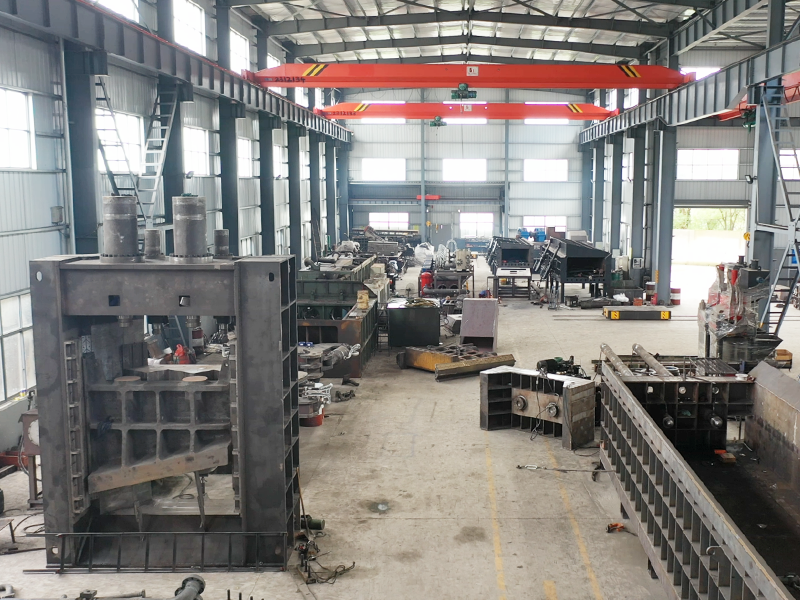
Equipment capacity is a major consideration when building an efficient steel bar recycling system. Machinery should match the facility's average daily material intake and expected production targets. Equipment with insufficient capacity may create processing bottlenecks, while oversized machinery can increase unnecessary investment and operating expenses. Evaluating current workloads and future expansion plans helps businesses make more practical equipment decisions. Material handling arrangements also influence overall processing efficiency. Steel bars are often long and heavy, requiring suitable cranes, loaders, conveyors, or feeding systems. Recycling facilities should plan how materials will be collected, transferred, positioned, and discharged at each processing stage. Coordinating handling equipment with hydraulic shears and other machinery can reduce unnecessary movement and improve production continuity.
Regular maintenance is essential for keeping steel bar processing equipment in reliable working condition. Cutting blades should be inspected for wear, damage, and uneven edges. Hydraulic systems require proper oil management, leak inspections, and routine servicing. Operators should also check electrical connections, structural components, and safety devices according to the manufacturer's recommendations. Preventive maintenance can help reduce unexpected downtime and extend machine service life. Safety procedures should be followed throughout the recycling process. Steel bars may have sharp edges, uneven surfaces, and considerable weight, creating potential risks during loading and cutting. Workers should receive appropriate training and use suitable protective equipment. Machine guarding, emergency stop systems, safe feeding procedures, and regular equipment inspections are also important for maintaining a safe working environment.
Choosing a reliable machinery manufacturer is another important part of establishing an efficient recycling operation. Buyers should evaluate product quality, manufacturing experience, customization capabilities, technical support, and spare parts availability. A supplier that understands different scrap processing requirements can provide more suitable equipment recommendations based on material characteristics, production capacity, and facility conditions. Jiangyin Guangsha Hydraulic Machinery Co., Ltd. provides hydraulic machinery and scrap recycling solutions for various metal processing applications. Its product range includes Q43 Series Alligator Type Metal Shears, Q91Y Series Gantry Type Metal Shears, scrap metal balers, bale breakers, metal shredders, and other recycling equipment. With customized solutions and a broad selection of machinery, the company can help customers develop processing systems suited to their steel scrap requirements.
Overall, efficient steel bar scrap processing depends on proper sorting, suitable cutting equipment, effective material handling, and regular maintenance. By selecting the right hydraulic shear and integrating it with appropriate downstream machinery, recycling facilities can reduce handling difficulties, improve production efficiency, and prepare steel scrap for reuse. A well-planned processing system supports reliable daily operations while contributing to more sustainable metal resource utilization.