
Emerging Trends in Scrap Metal Recycling Technology
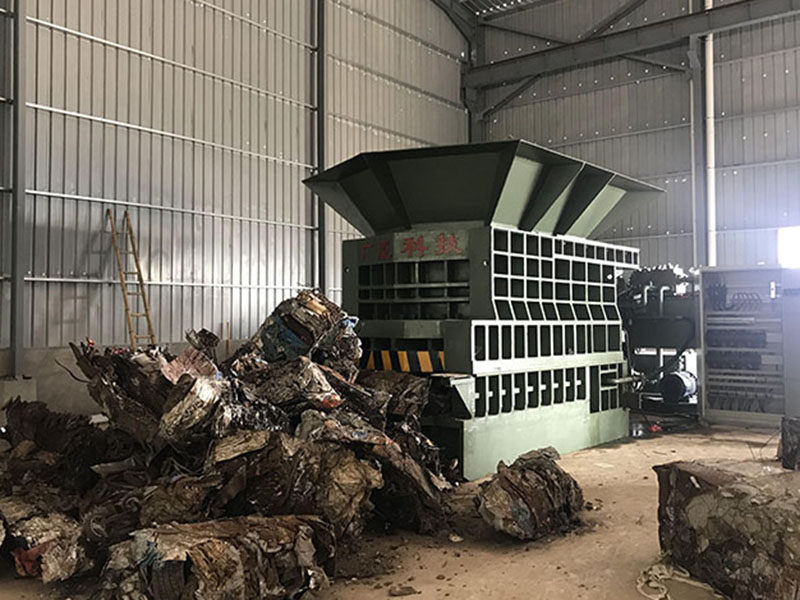
The scrap metal recycling industry is undergoing significant technological transformation as businesses seek higher productivity, lower operating costs, and more sustainable processing methods. Modern recycling facilities are moving beyond traditional equipment and adopting advanced machinery, automation, digital monitoring, and intelligent material handling systems. These developments are creating new opportunities for recycling companies to improve efficiency while recovering more valuable resources from metal waste. One of the most important trends is the increasing use of automated recycling equipment. Automated feeding, sorting, baling, shearing, and shredding systems reduce manual intervention and allow facilities to process larger volumes of scrap more consistently. Automation also helps reduce operator errors and creates a smoother material flow, making it particularly valuable for high-volume recycling plants.
Advanced hydraulic technology is also playing an increasingly important role. Modern hydraulic balers, metal shears, shredders, and briquette presses are being designed with improved pressure control, stronger components, and more efficient hydraulic systems. These improvements allow machines to deliver powerful performance while reducing energy consumption and mechanical stress, supporting more reliable long-term operation. Digital monitoring is another emerging trend shaping the recycling industry. Sensors can monitor hydraulic pressure, oil temperature, machine cycles, energy consumption, and other operating conditions in real time. By collecting and analyzing this information, operators can identify abnormal conditions earlier, optimize machine settings, and make more informed maintenance decisions.
Predictive maintenance is developing alongside digital monitoring. Instead of relying only on fixed maintenance schedules, recycling facilities can use machine performance data to identify potential component failures before they cause unexpected downtime. This approach helps extend equipment lifespan, reduce repair expenses, and maintain more stable production schedules. More advanced sorting technology is also improving metal recovery. Magnetic separators, eddy current systems, sensor-based sorting, and other technologies can separate different materials with greater accuracy. Better sorting reduces contamination and improves the quality and market value of recovered metals, while also allowing downstream processing equipment to operate more efficiently.
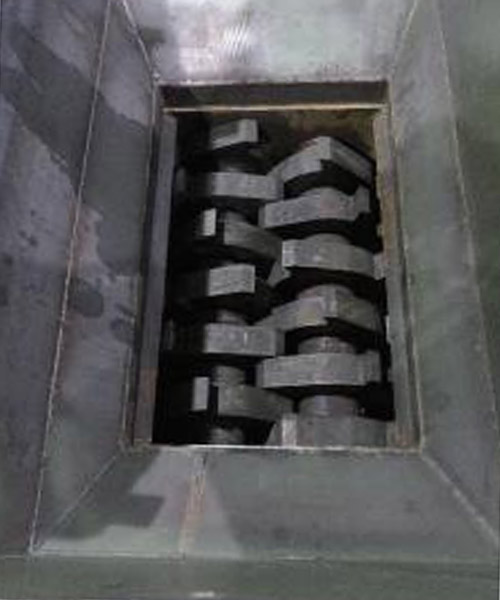
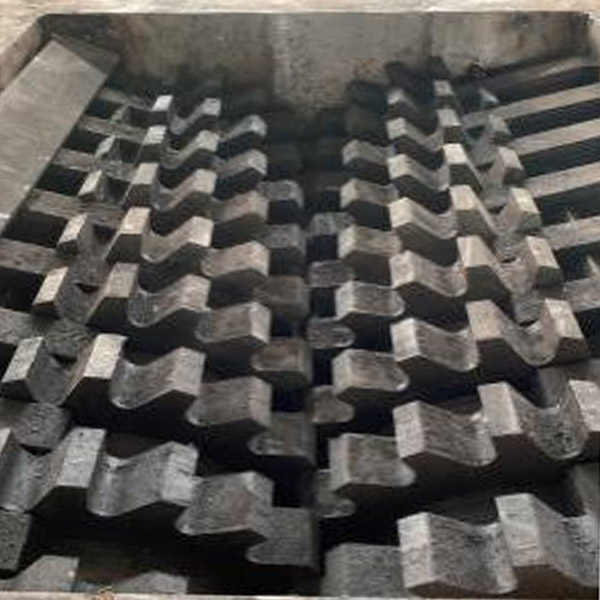
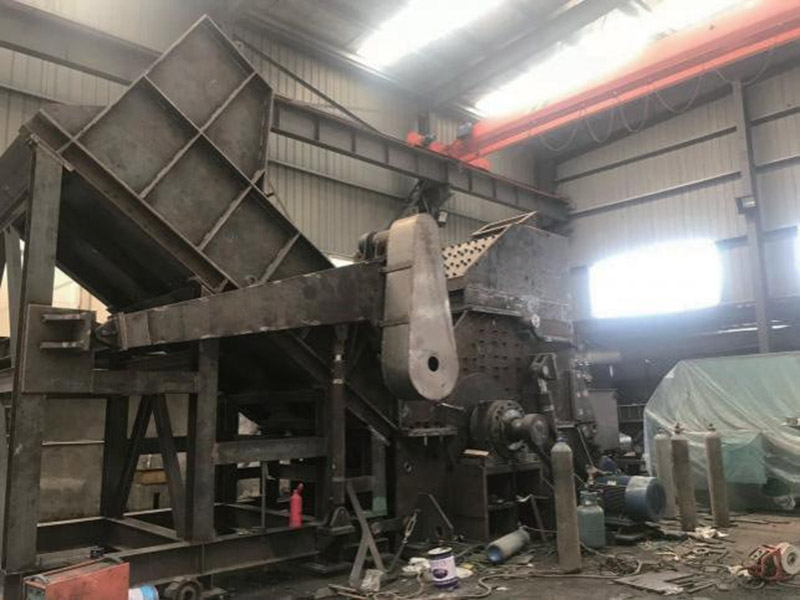
Energy efficiency is becoming a major priority for recycling equipment manufacturers and operators. New machines are being developed with optimized hydraulic systems, efficient motors, and intelligent power management. Reducing energy consumption helps lower operating costs while supporting the industry's broader sustainability objectives. Another important trend is the development of high-capacity shredding and crushing systems. As recycling facilities handle increasingly large volumes of scrap, powerful machines are needed to process bulky and difficult materials efficiently. Advanced shredders and crushers provide improved size reduction, helping prepare materials for sorting, baling, transportation, and further metal recovery.
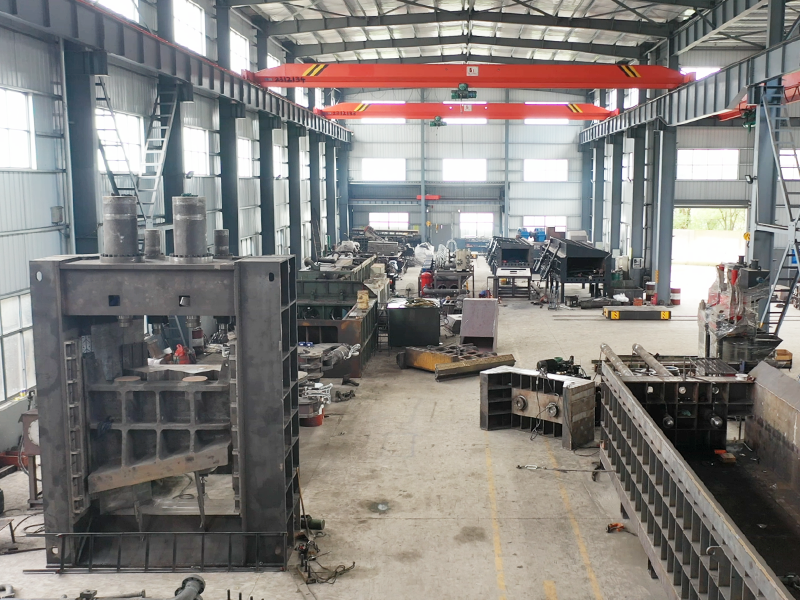
Customization is also becoming increasingly valuable. Recycling facilities have different material types, production capacities, and site layouts, so standardized equipment may not always provide the best solution. Manufacturers are increasingly offering customized hydraulic machinery and complete recycling lines designed around specific customer requirements, improving equipment integration and overall productivity. Sustainability is influencing equipment design in other ways as well. Modern recycling machinery is increasingly focused on maximizing material recovery, reducing waste, minimizing energy consumption, and supporting circular economy principles. Better processing technology allows more scrap metal to return to productive use, reducing dependence on virgin raw materials and helping conserve natural resources.
In conclusion, emerging trends in scrap metal recycling technology are centered on automation, intelligent monitoring, advanced hydraulic systems, predictive maintenance, precise sorting, energy efficiency, and customized solutions. As these technologies continue to develop, recycling facilities will be better equipped to process larger volumes of scrap with greater efficiency and reliability. For equipment manufacturers such as Jiangyin Guangsha Hydraulic Machinery Co., Ltd., continued innovation in hydraulic recycling machinery will be essential for helping customers worldwide build more productive, sustainable, and competitive recycling operations.