
Understanding the Working Principle of Hydraulic Metal Shearing Machines
Hydraulic metal shearing machines are essential equipment in modern scrap recycling and metal processing industries. They are designed to cut large, bulky, and irregular metal materials into smaller sections that are easier to transport, sort, and recycle. By using hydraulic power to generate strong and controlled cutting force, these machines provide an efficient solution for processing steel scrap, aluminum, copper, steel bars, and other metal materials. The basic working principle of a hydraulic metal shearing machine is based on converting hydraulic energy into mechanical cutting force. The hydraulic system uses a pump to pressurize hydraulic oil, which is then delivered to hydraulic cylinders. These cylinders convert fluid pressure into linear movement, driving the cutting blade to move with powerful and controlled force. This process allows the machine to cut through heavy metal materials with high precision and efficiency.
The hydraulic system is the core component of the shearing machine. It typically consists of a hydraulic pump, oil tank, valves, cylinders, pipes, and control systems. When the machine starts, the hydraulic pump transfers oil from the tank and creates pressure within the system. Control valves regulate the direction and amount of hydraulic oil flow, allowing operators to control the movement and speed of the cutting mechanism according to processing requirements. The cutting process begins when scrap metal is placed into the machine’s cutting chamber. Depending on the machine design, materials may be compressed or positioned before cutting to ensure stable processing. Once the operator activates the system, hydraulic cylinders push the upper blade downward or move the cutting mechanism forward, applying strong pressure to separate the metal material.
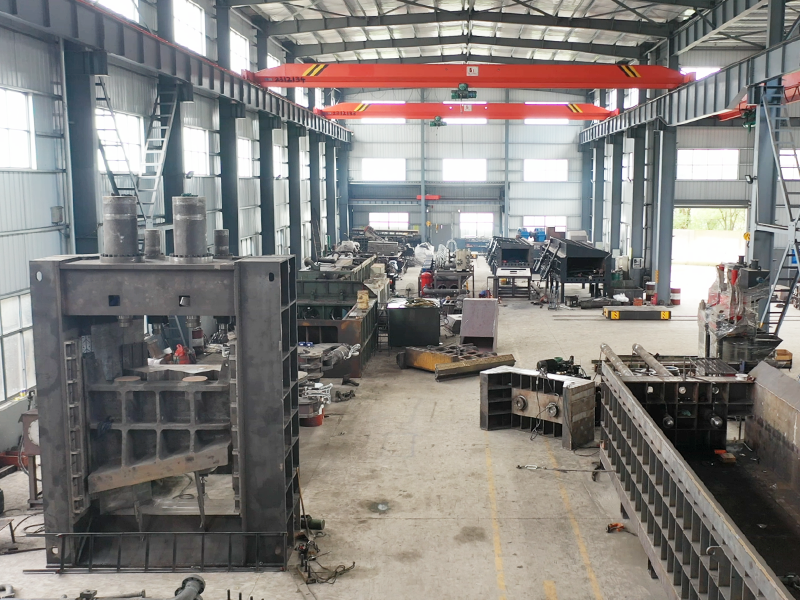
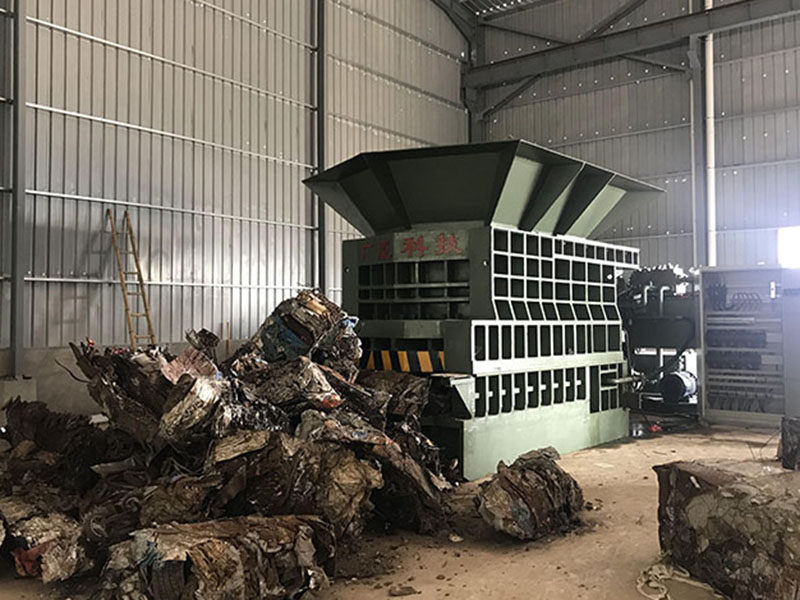
One of the major advantages of hydraulic shearing machines is their ability to provide consistent cutting force. Unlike traditional mechanical cutting equipment, hydraulic systems can maintain stable pressure throughout the cutting cycle. This allows the machine to process different types of scrap materials while maintaining accurate and clean cutting results. Hydraulic metal shearing machines are designed with different cutting structures to meet various recycling requirements. For example, alligator type metal shears are commonly used for cutting smaller metal pieces, steel bars, and profiles, while gantry type metal shears are suitable for processing large and heavy scrap materials. Container shears are designed for handling bulky materials and improving processing efficiency in large-scale recycling operations.
Pressure control is another important part of the working principle. Different metals require different levels of cutting force. Operators can adjust hydraulic pressure based on material thickness, hardness, and size. Proper pressure adjustment ensures efficient cutting while reducing unnecessary stress on blades, cylinders, and other machine components. The blade system also plays a critical role in machine performance. High-quality cutting blades made from wear-resistant materials maintain sharpness and durability during continuous operation. Proper blade design and alignment ensure accurate cutting, reduce energy consumption, and extend the service life of the equipment.
Safety systems are integrated into modern hydraulic metal shearing machines to protect operators and equipment. Features such as overload protection, emergency stop buttons, pressure monitoring, and safety guards help prevent accidents and reduce the risk of mechanical damage. These safety functions ensure stable operation in demanding recycling environments. Regular maintenance is essential for maintaining the efficiency of hydraulic shearing machines. Hydraulic oil quality, filter condition, blade sharpness, and cylinder performance should be checked regularly. Proper maintenance reduces downtime, improves cutting performance, and extends the lifespan of the equipment.
In conclusion, hydraulic metal shearing machines operate by using hydraulic pressure to generate powerful, controlled cutting force for efficient metal processing. Their reliable performance, flexible application range, and ability to handle heavy scrap materials make them an important part of modern recycling facilities. With advanced hydraulic technology, durable components, and precise control systems, hydraulic shearing machines help businesses improve productivity, reduce processing costs, and achieve more efficient scrap recycling operations.