
How Climate and Environment Affect Recycling Equipment Performance
Recycling equipment operates in a wide range of environmental conditions, from hot and humid coastal regions to freezing industrial zones and dusty mining sites. These external factors can significantly influence machine efficiency, reliability, and service life. Understanding how climate and environmental conditions affect recycling equipment helps businesses implement the right maintenance strategies, improve operational stability, and maximize the return on their equipment investment. Temperature is one of the most important environmental factors affecting hydraulic recycling machinery. In extremely cold climates, hydraulic oil becomes more viscous, reducing fluid flow and slowing machine response during startup. Components such as pumps, cylinders, and valves may require additional time to reach optimal operating conditions. In contrast, excessively high temperatures can cause hydraulic oil to thin, reducing lubrication efficiency and increasing wear on internal components. Maintaining the correct hydraulic oil grade and monitoring operating temperatures are essential for stable machine performance.
Humidity also plays a major role in equipment reliability. High moisture levels can accelerate corrosion on metal structures, electrical components, and hydraulic fittings. Condensation inside hydraulic systems may contaminate the oil, reducing lubrication quality and increasing the risk of internal component damage. Recycling facilities located in humid or coastal environments should perform regular inspections and apply corrosion-resistant coatings to protect critical equipment. Dust and airborne particles are common challenges in scrap recycling operations. During shredding, crushing, and cutting processes, large amounts of dust and fine metal particles are generated. These contaminants can enter hydraulic systems, cooling units, and electrical cabinets if proper sealing and filtration are not maintained. Regular cleaning and filter replacement help protect sensitive components and maintain consistent machine performance.
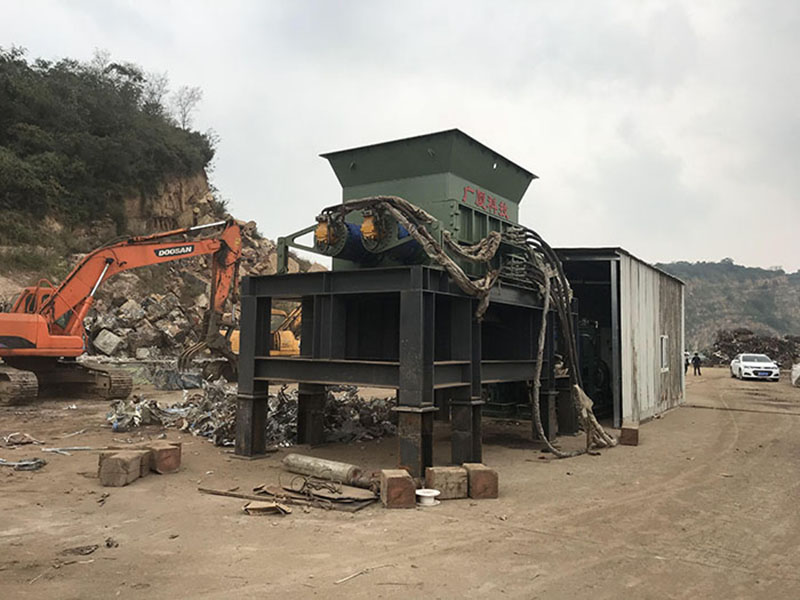
Rain and water exposure can also impact recycling equipment, especially in outdoor recycling yards. Water entering electrical systems or hydraulic components may cause short circuits, rust, and hydraulic oil contamination. Machines operating outdoors should be equipped with appropriate weather protection, and exposed components should be inspected regularly to prevent moisture-related damage. Coastal environments present additional challenges due to salt in the air. Salt accelerates corrosion of steel structures, fasteners, and hydraulic fittings, shortening equipment lifespan if not properly managed. Manufacturers often recommend protective coatings, stainless steel components where appropriate, and more frequent maintenance schedules for machinery operating near the sea.
Ground conditions can influence machine stability and performance as well. Uneven or unstable surfaces may create excessive vibration during operation, affecting machine alignment and increasing structural stress. Proper installation on stable foundations ensures smooth operation and reduces unnecessary wear on hydraulic and mechanical components. Environmental conditions also affect the performance of cooling systems. High ambient temperatures combined with continuous heavy-duty operation may reduce cooling efficiency, causing hydraulic systems to overheat. Routine inspection of radiators, cooling fans, and heat exchangers helps maintain proper operating temperatures and prevents performance loss caused by overheating.
Seasonal weather changes require adjustments to maintenance practices. During winter, operators may need to warm up hydraulic systems before full operation, while summer conditions require closer monitoring of oil temperature and cooling performance. Adapting maintenance schedules according to seasonal conditions helps maintain equipment reliability throughout the year. Proper storage practices are equally important when equipment is not in use. Machines stored outdoors should be covered to protect them from rain, direct sunlight, dust, and snow. Long-term exposure to harsh environmental conditions without protection can accelerate aging of seals, hoses, electrical wiring, and painted surfaces, leading to higher maintenance costs.
Regular preventive maintenance becomes even more critical in challenging environments. Frequent inspection of hydraulic oil, filters, seals, hoses, electrical systems, and structural components allows operators to detect climate-related wear before it leads to equipment failure. Preventive maintenance minimizes downtime and ensures reliable operation regardless of environmental conditions. In conclusion, climate and environmental conditions have a significant impact on the performance, efficiency, and lifespan of recycling equipment. Factors such as temperature, humidity, dust, rain, and salt exposure can all influence hydraulic systems and machine reliability. By selecting suitable equipment, implementing preventive maintenance, and adapting operating practices to local conditions, recycling facilities can maintain high performance, reduce operating costs, and extend the service life of their machinery in any environment.