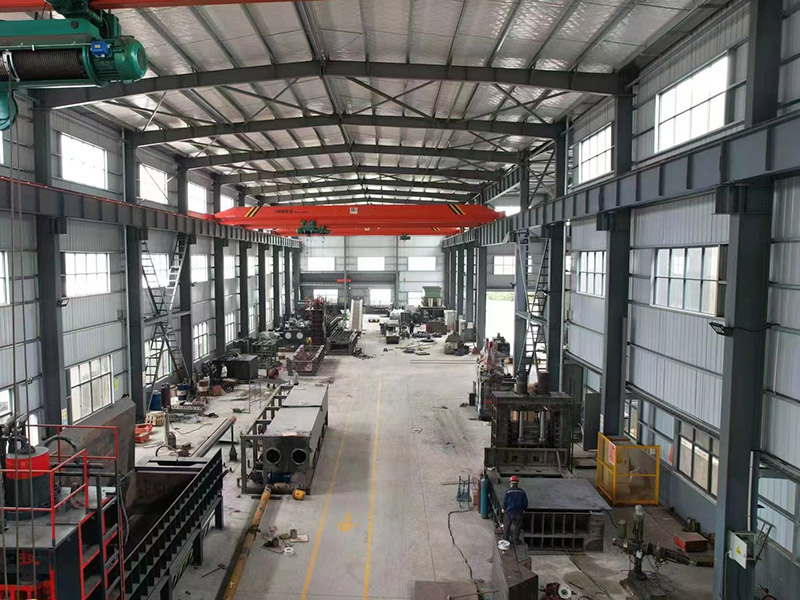

Reducing Downtime in Recycling Plants with Preventive Maintenance Strategies
Downtime is one of the biggest challenges facing recycling plants, as equipment failures can interrupt production, increase operating costs, and delay customer deliveries. Machines such as scrap metal balers, hydraulic shears, shredders, crushers, and briquette presses operate under demanding conditions and require regular maintenance to perform efficiently. Implementing preventive maintenance strategies helps recycling facilities minimize unexpected breakdowns, extend equipment lifespan, and maintain stable production. Preventive maintenance begins with establishing a routine inspection schedule. Daily, weekly, and monthly inspections allow operators to identify signs of wear, loose components, oil leaks, or unusual machine behavior before these issues develop into major failures. Early detection helps maintenance teams resolve small problems quickly, reducing the risk of costly downtime.
Hydraulic system maintenance is one of the most critical aspects of preventive care. Hydraulic pumps, cylinders, valves, hoses, and seals should be inspected regularly to ensure proper operation. Monitoring hydraulic oil levels and replacing contaminated or degraded oil according to maintenance schedules helps maintain system efficiency and prevents premature wear of internal components. Lubrication is another essential maintenance practice. Bearings, moving joints, guide rails, and other mechanical parts require proper lubrication to reduce friction and minimize wear. Following the manufacturer's recommended lubrication schedule helps ensure smooth machine operation while extending the service life of critical components.
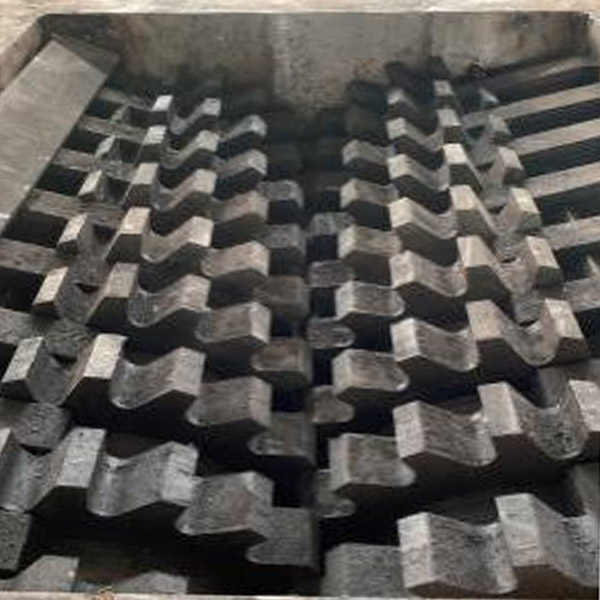
Cutting blades and wear parts should also be inspected frequently. In hydraulic shears, shredders, and crushers, worn blades reduce cutting efficiency, increase power consumption, and place additional stress on the machine. Replacing or sharpening blades before excessive wear occurs helps maintain consistent processing performance and prevents unnecessary equipment damage. Cleaning equipment regularly contributes significantly to reliable operation. Dust, metal particles, grease, and scrap debris can accumulate around hydraulic components, cooling systems, and electrical cabinets. Keeping machines clean improves heat dissipation, prevents contamination, and makes it easier to identify leaks or damaged parts during routine inspections.
Monitoring machine performance through digital systems further strengthens preventive maintenance. Modern recycling equipment often includes sensors that monitor hydraulic pressure, oil temperature, motor load, and operating cycles. Real-time monitoring enables operators to detect abnormal conditions early, allowing maintenance to be scheduled before equipment failure occurs. Maintaining an inventory of essential spare parts also helps reduce downtime. Frequently used components such as hydraulic seals, filters, hoses, cutting blades, and bearings should be readily available. Having replacement parts on-site minimizes repair delays and allows maintenance teams to restore equipment quickly when servicing is required.
Operator training is another important factor in successful preventive maintenance. Well-trained operators can recognize early warning signs such as unusual noise, vibration, slower operating speeds, or pressure fluctuations. Prompt reporting of these issues allows maintenance personnel to take corrective action before serious damage develops. Accurate maintenance records help improve long-term equipment reliability. Recording inspection results, repairs, oil changes, component replacements, and operating hours allows maintenance teams to identify recurring issues and optimize maintenance schedules. Historical data also supports better planning for future equipment servicing and upgrades.
Working with an experienced equipment manufacturer or service provider can further improve maintenance effectiveness. Professional technical support, regular equipment inspections, and genuine replacement parts help ensure machines continue operating at peak performance while reducing the likelihood of unexpected failures. In conclusion, preventive maintenance is one of the most effective ways to reduce downtime in recycling plants. Through regular inspections, hydraulic system care, lubrication, blade maintenance, equipment cleaning, digital monitoring, and operator training, recycling facilities can improve equipment reliability and maximize production efficiency. A proactive maintenance strategy not only lowers repair costs but also ensures continuous, safe, and efficient operation, supporting the long-term success of modern recycling businesses.