
How Hydraulic Systems Enhance Precision in Metal Cutting Operations
Metal cutting is one of the most important processes in the scrap recycling and metal processing industries. Whether preparing scrap for shredding, reducing oversized materials, or producing recyclable metal pieces, precision cutting directly affects efficiency, safety, and product quality. Hydraulic systems have become the preferred power source for modern metal cutting equipment because they provide the strength, stability, and control needed for accurate and consistent cutting operations. One of the greatest advantages of hydraulic systems is their ability to generate powerful and consistent cutting force. Unlike mechanical systems that may experience fluctuations during operation, hydraulic systems maintain stable pressure throughout the cutting cycle. This consistent force allows metal shears to produce clean, precise cuts on materials with different thicknesses and hardness levels, improving both productivity and material quality.
Accurate pressure control is another reason hydraulic systems excel in metal cutting applications. Operators can adjust hydraulic pressure according to the type of material being processed, whether it is light aluminum scrap, steel bars, copper, or heavy structural steel. Proper pressure settings ensure efficient cutting while preventing unnecessary stress on the machine and reducing blade wear. Hydraulic systems also provide smooth and controlled blade movement. The gradual and stable motion of hydraulic cylinders minimizes vibration during cutting, allowing blades to maintain accurate positioning throughout the operation. Reduced vibration not only improves cutting precision but also extends the service life of blades and other machine components.
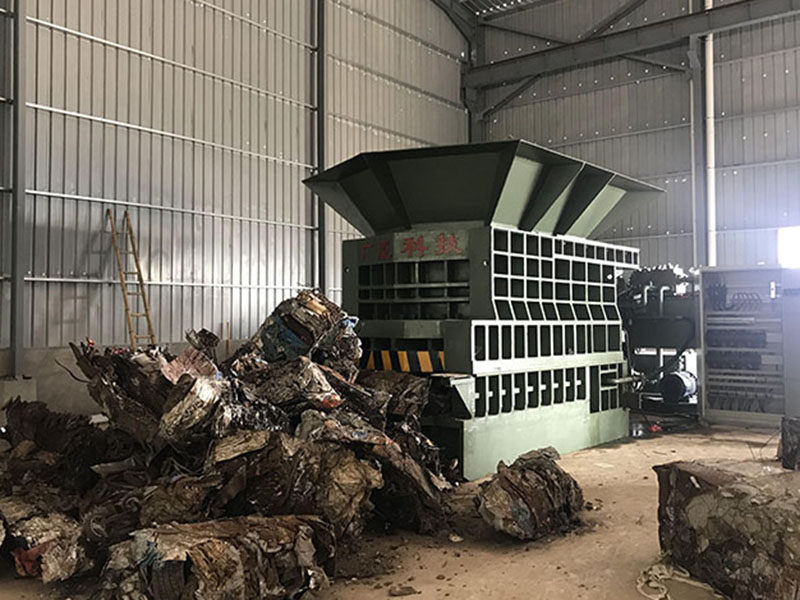
Another important advantage is the ability to process a wide variety of materials. Modern hydraulic metal shears can efficiently cut steel plates, pipes, rebar, aluminum profiles, and mixed metal scrap with minimal adjustments. This versatility allows recycling facilities to process different types of scrap using a single machine while maintaining high cutting accuracy. Automation further enhances precision in hydraulic cutting equipment. Advanced hydraulic systems can be integrated with programmable control systems that automatically adjust cutting parameters based on material specifications. Automated positioning and pressure regulation reduce operator errors, improve consistency, and increase overall production efficiency.

Hydraulic systems also contribute to higher productivity by shortening cutting cycles. Fast hydraulic response and efficient cylinder movement allow machines to complete repeated cutting operations quickly without sacrificing precision. Higher processing speed enables recycling plants to handle larger volumes of scrap while maintaining consistent output quality. Equipment durability is closely linked to hydraulic performance. Controlled hydraulic pressure distributes force evenly throughout the machine, reducing excessive stress on structural components. This balanced operation minimizes wear on blades, cylinders, and frames, resulting in lower maintenance costs and longer equipment lifespan.
Safety is another area where hydraulic systems offer significant advantages. Precise control of cutting force and blade movement reduces the risk of unexpected machine behavior during operation. Modern hydraulic cutting machines are also equipped with safety features such as overload protection, emergency stop systems, and pressure monitoring, helping create a safer working environment for operators. Energy efficiency is becoming increasingly important in industrial operations, and modern hydraulic systems are designed to optimize power consumption. Intelligent hydraulic controls deliver only the required pressure for each cutting task, reducing unnecessary energy use while maintaining excellent cutting performance. This helps lower operating costs and supports more sustainable recycling practices.
Digital monitoring technologies are also improving the precision of hydraulic cutting systems. Real-time monitoring of pressure, temperature, and system performance allows operators to optimize machine settings and identify maintenance needs before problems occur. This improves equipment reliability and ensures consistent cutting quality over long production periods. In conclusion, hydraulic systems play a vital role in enhancing precision in metal cutting operations. Their ability to provide stable pressure, smooth motion, accurate control, and reliable performance makes them essential for modern recycling and metal processing equipment. As hydraulic technology continues to advance, these systems will further improve cutting accuracy, operational efficiency, and long-term productivity for recycling facilities worldwide.