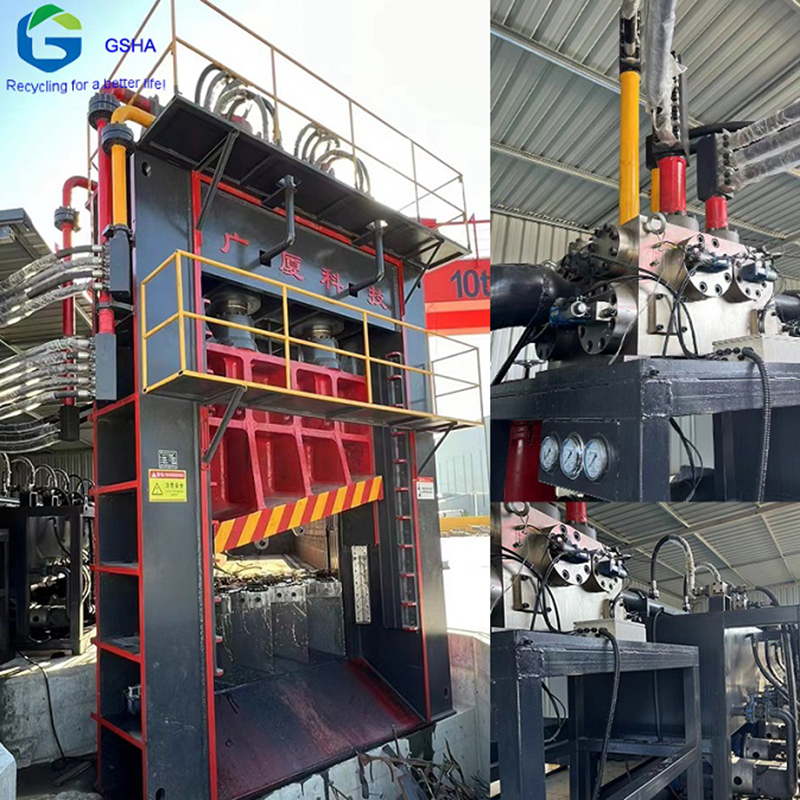

What Factors Determine the Compression Force of a Hydraulic Baler?
Compression force is one of the most important performance factors when selecting a hydraulic scrap metal baler. It determines how effectively the machine can compact scrap materials into dense, manageable bales. However, the required compression force is not determined by machine size alone. Material characteristics, hydraulic system design, bale requirements, and operating conditions all influence the force needed for efficient baling. The type of scrap material is the first major factor. Different materials have different levels of hardness, flexibility, and resistance to compression. Light materials such as aluminum sheets may require less force than thick steel scrap or heavy structural metal. Understanding the material being processed helps determine the appropriate hydraulic pressure and cylinder capacity for the baler.
Material density also affects compression requirements. Loose, low-density scrap contains more air and empty space, so the baler must apply sufficient force to reduce its volume and create a compact bale. High-density materials may require greater force to achieve the desired bale dimensions and density, particularly when the scrap contains thick or rigid metal pieces. The size and shape of the scrap are equally important. Long, bulky, or irregularly shaped metal pieces can resist compression and may require greater force than smaller, uniform scrap. Pre-processing materials through shearing or shredding can make them easier to compact and allow the baler to achieve more consistent bale density with less strain on the hydraulic system.
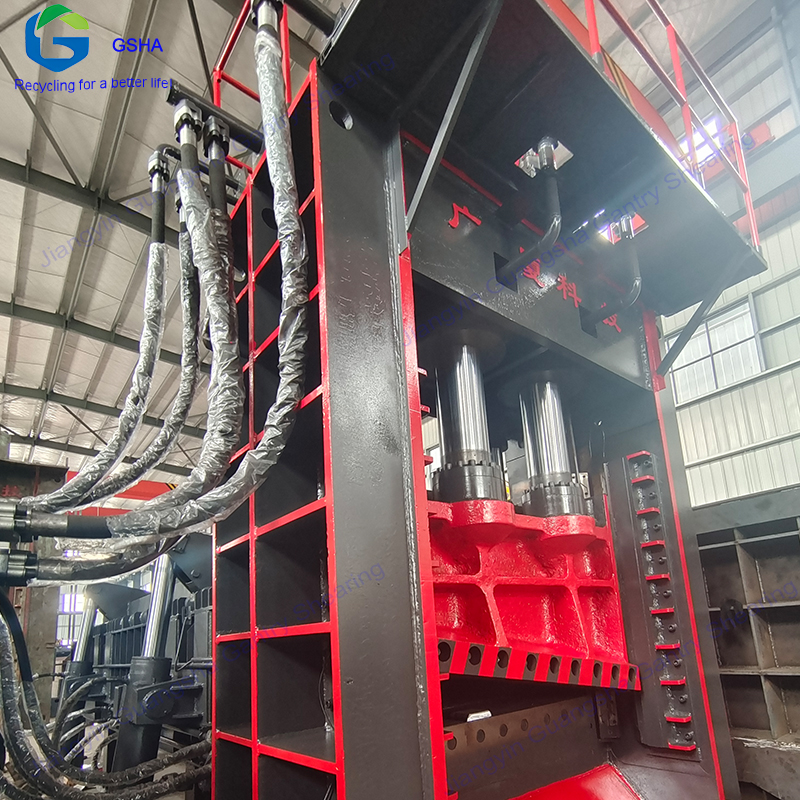
Hydraulic pressure is directly related to compression force. The hydraulic pump generates pressure, while hydraulic cylinders convert that pressure into mechanical force. In general, higher hydraulic pressure combined with an appropriately sized cylinder produces greater compression force. However, simply increasing pressure is not always the best solution, as excessive pressure can increase energy consumption and accelerate component wear. Cylinder size also plays a critical role. The force generated by a hydraulic cylinder depends on the hydraulic pressure and the effective piston area. A larger cylinder can generate greater force at the same hydraulic pressure. Therefore, baler manufacturers must carefully match cylinder dimensions with the required compression performance and overall machine design.
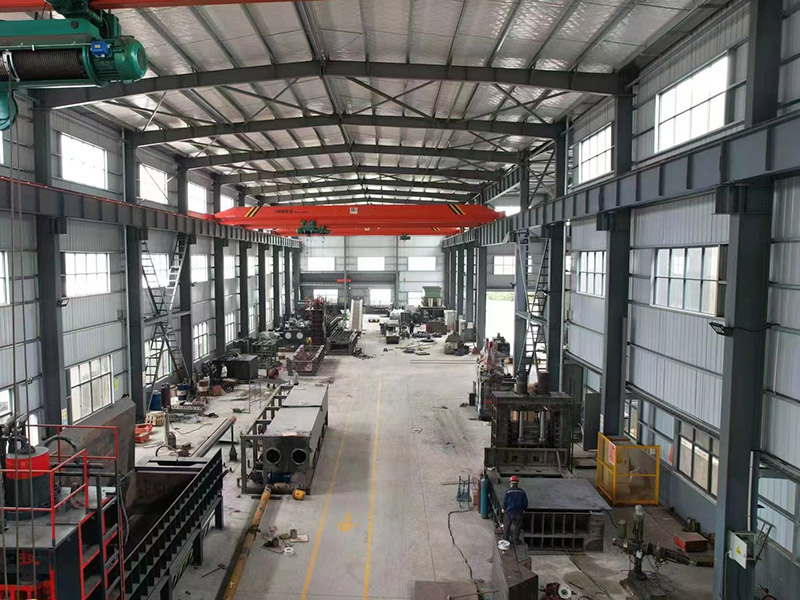
The bale chamber dimensions influence the force required as well. A larger chamber allows more material to be processed during each cycle, but it may require a more powerful hydraulic system to achieve the desired bale density. Chamber design, compression direction, and material distribution all affect how efficiently hydraulic force is transferred to the scrap. Desired bale density is another important consideration. Recycling companies may have different requirements depending on transportation, storage, and downstream processing needs. Higher-density bales generally require greater compression force. Properly compacted bales occupy less space and can improve transportation efficiency, making bale density an important factor in overall recycling economics.
Machine cycle speed can also influence compression performance. A baler designed for high-volume processing must deliver sufficient force while maintaining efficient cycle times. Hydraulic flow rate, pump capacity, cylinder speed, and control valve performance all work together to determine how quickly the machine can complete each compression cycle. The quality of the hydraulic components also affects actual compression performance. Reliable pumps, cylinders, valves, hoses, and seals help maintain stable pressure throughout operation. Poor-quality or worn components may cause pressure losses, reducing compression force and creating inconsistent bale density.
Operating conditions and maintenance should also be considered. Contaminated hydraulic oil, clogged filters, worn seals, or leaking hoses can reduce system pressure and prevent the baler from reaching its designed compression force. Regular inspection and preventive maintenance help maintain stable hydraulic performance and extend equipment service life. For recycling facilities, selecting a baler based solely on its maximum compression force can lead to an unsuitable investment. It is more important to consider the material type, processing volume, desired bale density, chamber size, and overall production requirements. A properly matched hydraulic baler can deliver reliable performance without unnecessary energy consumption or equipment stress.