
How to Choose Between a Gantry Shear and Alligator Shear for Scrap Processing
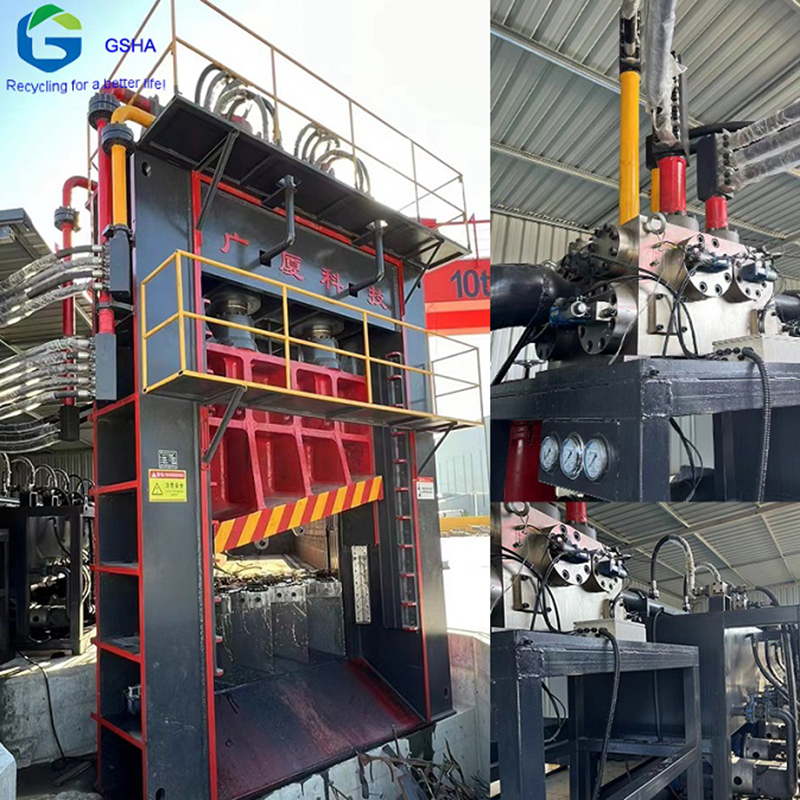
Choosing the right metal shear is an important decision for scrap recycling facilities because equipment selection directly affects cutting efficiency, material handling, production capacity, and operating costs. Gantry shears and alligator shears are both widely used for processing metal scrap, but they are designed for different working conditions and material requirements. Understanding their differences can help recycling businesses select equipment that better matches their applications. A gantry shear is generally designed for processing large and heavy scrap materials. Its structure provides strong cutting force and a spacious working area, making it suitable for bulky steel, heavy structural components, large metal profiles, and other oversized scrap. For recycling facilities that regularly receive large quantities of heavy-duty metal, a gantry shear can provide the cutting capability needed to reduce difficult materials into manageable sizes.
An alligator shear has a different operating structure and is commonly used for cutting smaller or more manageable metal materials. Its hinged jaw design allows scrap to be positioned between the blades before hydraulic force is applied. This makes an alligator shear suitable for cutting metal bars, pipes, profiles, sheet materials, and various types of relatively lightweight scrap. It can also be useful for operations that require frequent and controlled cutting. Material size should therefore be one of the first factors considered when comparing the two types of equipment. If the recycling facility mainly handles large steel sections, heavy scrap blocks, bulky structural materials, or oversized metal components, a gantry shear may be more appropriate. If the incoming scrap consists primarily of smaller sections, bars, tubes, and other materials that can be positioned easily for cutting, an alligator shear may provide a practical solution.
Material characteristics are another important consideration. Different scrap materials have different thicknesses, shapes, and levels of resistance. Heavy steel scrap requires substantial cutting force, while smaller and thinner materials may not require the same capacity. Before selecting equipment, operators should evaluate the types of metals being processed, their maximum dimensions, average thickness, and typical weight. Processing volume should also be considered. High-volume recycling facilities need machinery capable of maintaining a consistent workflow over extended operating periods. A gantry shear can be particularly useful for facilities handling substantial quantities of heavy scrap, while an alligator shear may be more convenient for applications involving smaller batches or materials that require more frequent individual cutting operations.
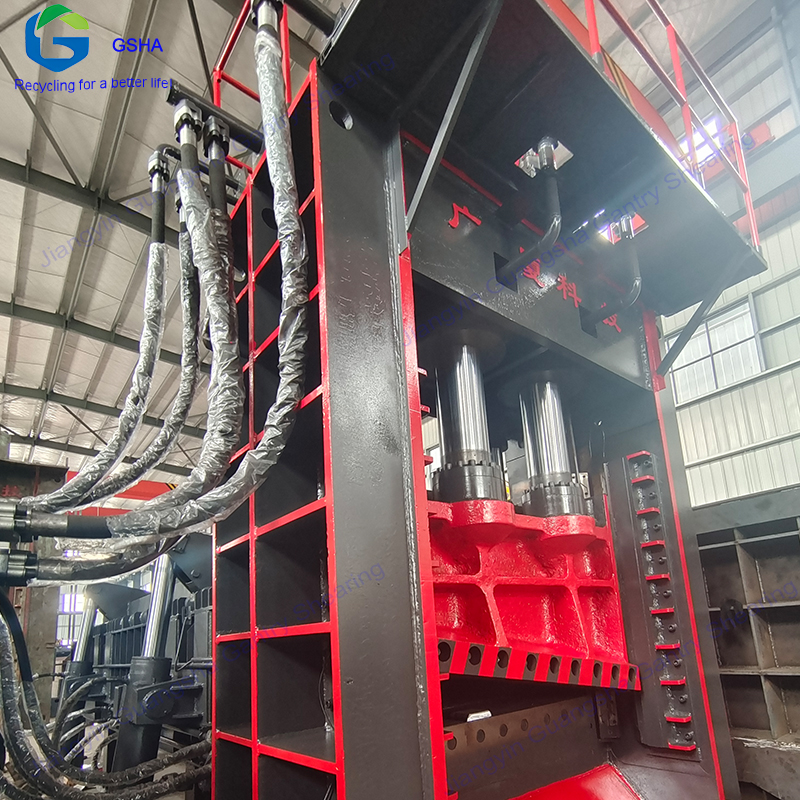
Available working space can influence the choice as well. Gantry shears generally require a suitable area for feeding and positioning large scrap materials. Facilities must consider the machine footprint, material loading area, finished scrap storage space, and equipment access routes. Alligator shears can be easier to integrate into operations where space is more limited, depending on the specific machine configuration. Material feeding and handling methods are also important. Large scrap often requires cranes, loaders, or other lifting equipment to position materials for gantry shearing. Smaller materials may be easier to feed into an alligator shear manually or with simpler handling equipment. Selecting a shear that matches the facility's existing material handling system can help reduce unnecessary movement and improve overall workflow efficiency.
Maintenance and operating requirements should not be overlooked. Hydraulic systems, blades, connections, and structural components should be inspected regularly regardless of shear type. Operators should also follow appropriate maintenance schedules and replace worn cutting components when necessary. Proper maintenance helps maintain cutting performance and reduces the possibility of unexpected equipment downtime. The final choice should ultimately be based on the complete processing environment rather than simply comparing machine types. A recycling facility should consider material dimensions, metal type, processing volume, required cutting size, loading methods, available space, labor requirements, and future production plans. These factors provide a more practical basis for selecting suitable equipment.
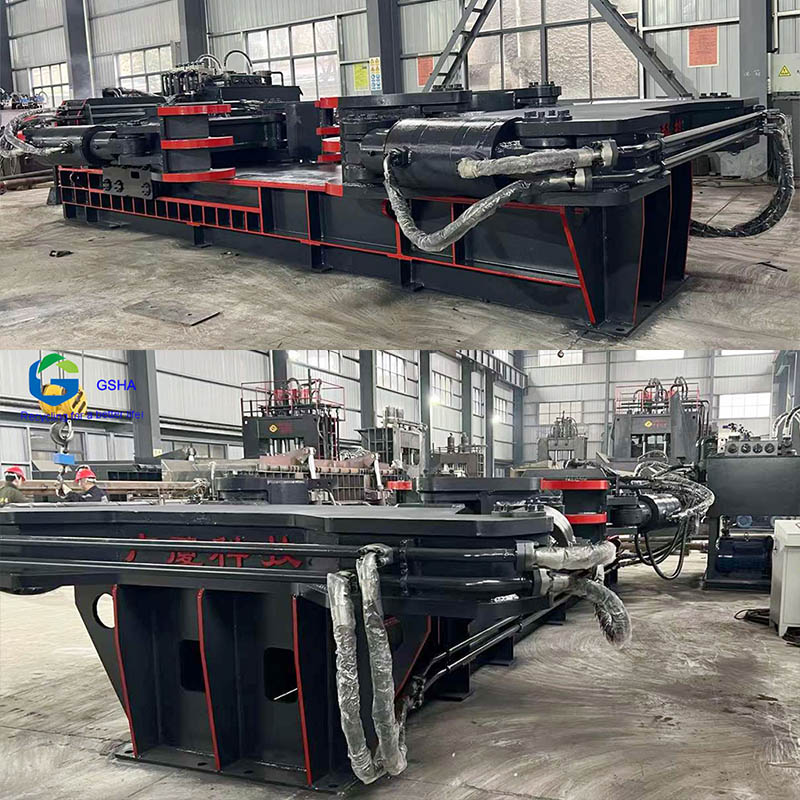
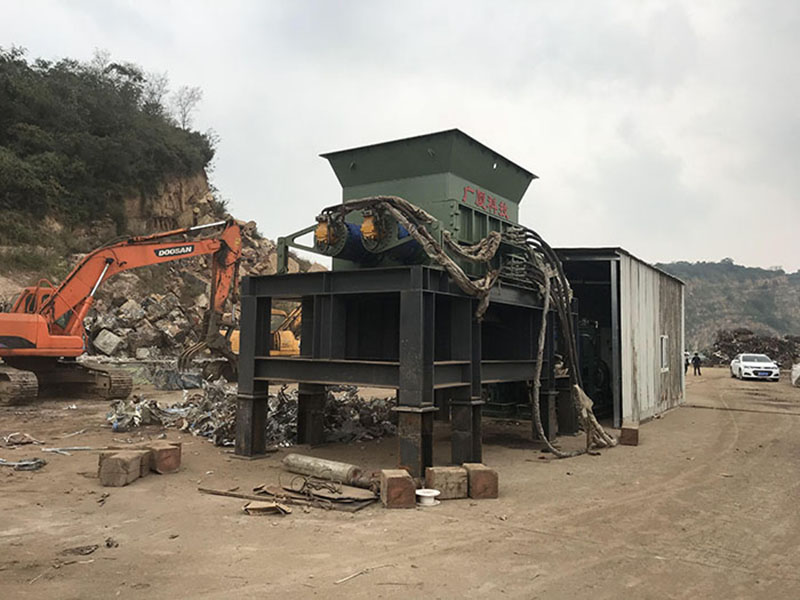
Jiangyin Guangsha Hydraulic Machinery Co., Ltd. provides hydraulic scrap processing equipment, including Q91Y Series Gantry Type Metal Shears and Q43 Series Alligator Type Metal Shears. The company also offers scrap metal balers, bale breakers, pre-shredders, crushers, and other recycling machinery. This range allows customers to develop equipment configurations based on their specific scrap processing requirements. In general, gantry shears are well suited to heavy, oversized, and high-volume scrap processing, while alligator shears are often suitable for smaller and more manageable metal materials. Neither machine is universally suitable for every recycling operation. By carefully evaluating material characteristics, production requirements, workspace, and handling methods, recycling businesses can select the hydraulic shear that fits their specific processing workflow and supports reliable long-term operation.