
Top Indicators of High-Performance Scrap Processing Machinery
High-performance scrap processing machinery is essential for modern recycling operations that demand efficiency, reliability, and consistent output quality. As recycling industries continue to grow and material volumes increase, businesses must invest in equipment capable of handling demanding workloads while maintaining cost-effective operation. Identifying the top indicators of high-performance scrap processing machinery helps recycling companies make informed decisions and achieve long-term operational success. One of the most important indicators is processing efficiency. High-performance machinery should be capable of handling large volumes of scrap material quickly and consistently. Efficient machines reduce bottlenecks in production lines and improve overall throughput. Equipment with optimized hydraulic systems, advanced cutting mechanisms, and continuous feeding capabilities allows recycling facilities to maximize productivity without sacrificing quality.
Durability and structural strength are also critical characteristics. Scrap processing environments are extremely demanding, with machines exposed to heavy impact loads, abrasive materials, and continuous operation. High-quality machinery is constructed using reinforced steel structures and wear-resistant components that can withstand harsh conditions over long periods. Strong construction reduces the risk of breakdowns and ensures stable operation. Another key indicator is energy efficiency. Advanced scrap processing machinery is designed to deliver powerful performance while minimizing energy consumption. Efficient hydraulic systems, optimized motors, and intelligent power management help reduce electricity usage and operational costs. Energy-efficient equipment not only improves profitability but also supports environmentally sustainable recycling practices.
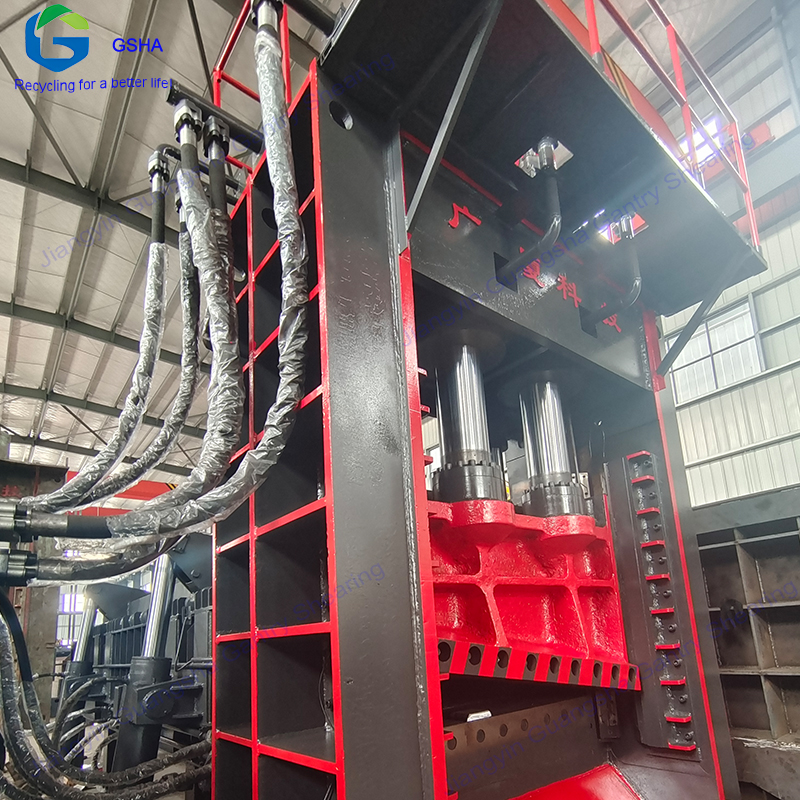
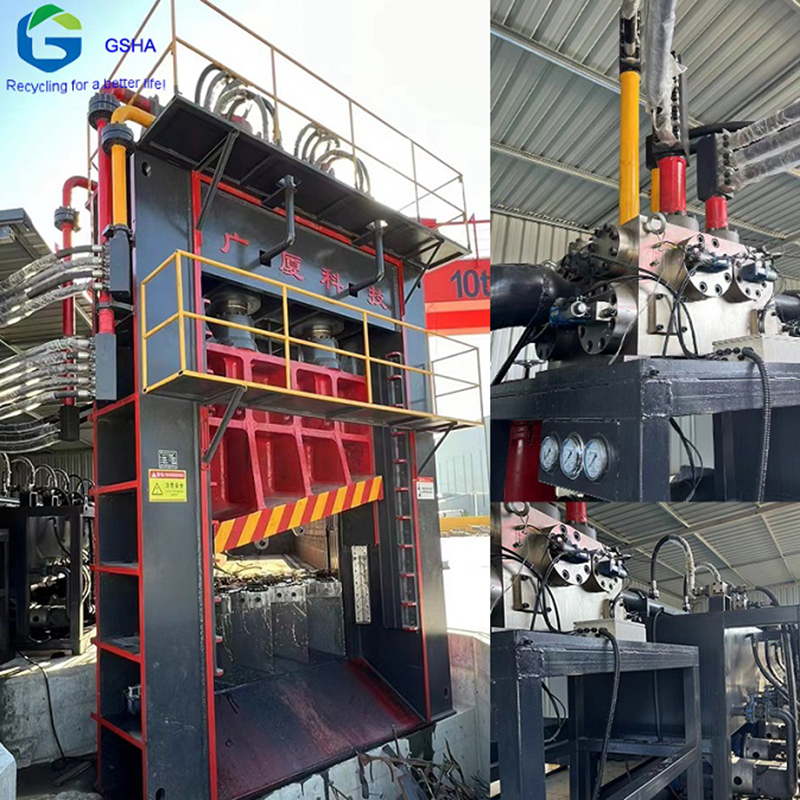
Reliable hydraulic performance is a major factor in machine quality. Hydraulic systems provide the power needed for cutting, compressing, and shredding scrap materials. High-performance equipment maintains stable pressure, smooth operation, and consistent force output even under heavy workloads. Efficient hydraulic systems also reduce wear on components and improve machine lifespan. Automation and intelligent control systems are increasingly important indicators of modern scrap processing machinery. Advanced machines often include programmable controls, monitoring systems, and automated operating functions that improve precision and reduce manual intervention. Automation helps maintain consistent processing quality, improves operator efficiency, and reduces the risk of human error.

Low maintenance requirements are another sign of high-quality equipment. Well-designed machinery allows easy access to critical components for inspection and servicing. Durable parts, efficient lubrication systems, and reliable engineering reduce the frequency of maintenance and minimize downtime. Machines that are easier to maintain help recycling facilities maintain continuous production and lower operating costs. Versatility is also an important feature of high-performance scrap processing machinery. Recycling facilities often handle various types of materials, including steel, aluminum, copper, and mixed scrap. Equipment capable of adapting to different material types and processing requirements provides greater operational flexibility and reduces the need for multiple specialized machines.
Consistent output quality is a strong indicator of machine performance. Whether producing compact bales, uniformly shredded scrap, or cleanly cut materials, high-performance machinery delivers stable and predictable results. Consistent output improves downstream processing efficiency and increases the market value of recycled materials. Safety features are another essential consideration. Modern scrap processing machinery should include systems such as overload protection, emergency stop controls, protective covers, and automated safety monitoring. These features protect operators and equipment while ensuring safer working conditions in recycling facilities.
Operational stability under continuous use is also a key indicator. High-performance machinery should maintain efficiency and reliability even during extended production periods. Stable operation reduces unexpected downtime and supports consistent production schedules, which is especially important for large-scale recycling facilities. Customization capability further distinguishes advanced scrap processing equipment. Leading manufacturers often offer customized solutions tailored to specific production needs, material types, and facility layouts. Customizable features improve integration into recycling lines and help businesses optimize overall workflow efficiency