
How to Choose Between a Gantry Shear and Alligator Shear for Scrap Processing
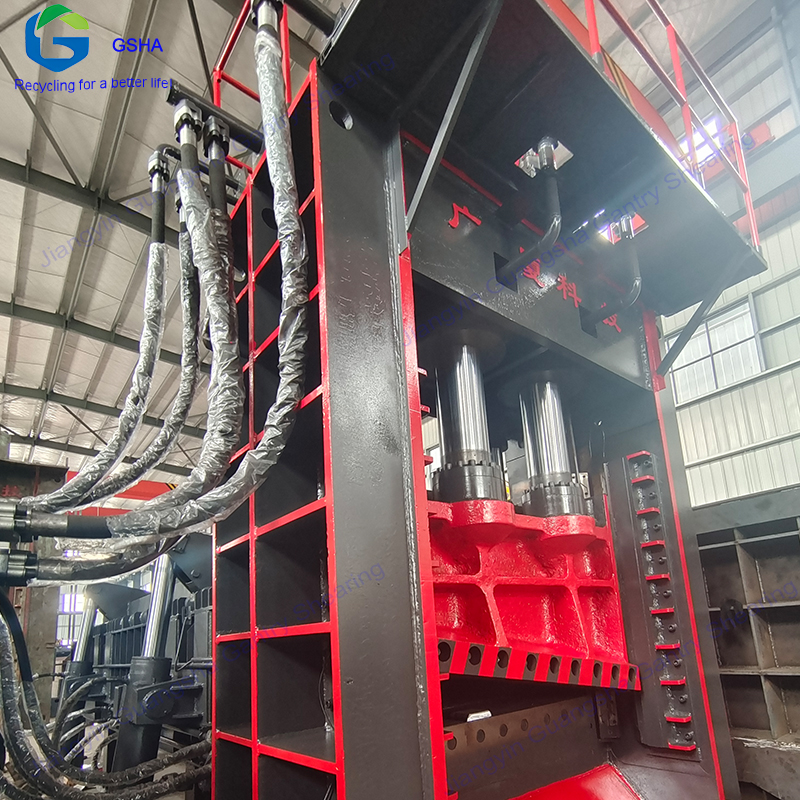
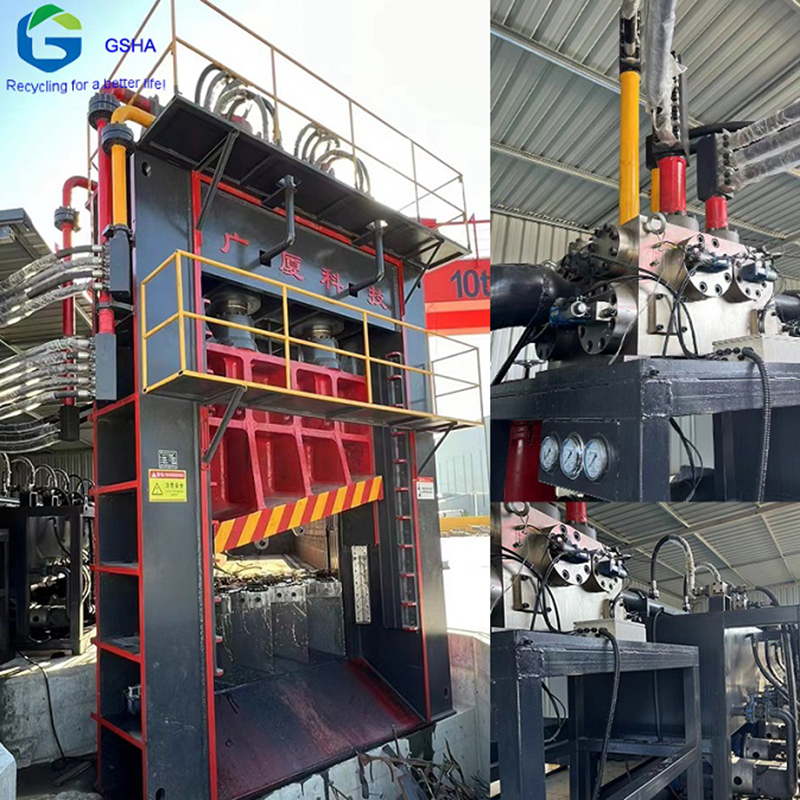
Choosing the right metal shear is an important decision for recycling businesses because equipment selection directly affects processing efficiency, operating costs, and production capacity. Gantry shears and alligator shears are both widely used for scrap metal processing, but they are designed for different applications. Understanding their differences can help recycling facilities select the most suitable solution for their material types and production requirements. A gantry shear is generally designed for processing larger and heavier scrap materials. Its powerful hydraulic system and robust structure allow it to handle heavy steel plates, structural components, large metal sections, and other bulky scrap. For recycling facilities that regularly receive high volumes of heavy-duty metal waste, a gantry shear can provide the cutting force and processing capacity needed for demanding operations.
An alligator shear, in comparison, is typically more suitable for smaller and medium-sized scrap materials. Its compact cutting structure makes it practical for processing steel bars, pipes, profiles, cables, aluminum sections, and other relatively manageable metal pieces. The Q43 Series Alligator Type Metal Shear is particularly suitable for recycling operations that require efficient cutting in a compact machine configuration. Material size should therefore be one of the first considerations when choosing between the two types of shears. If the incoming scrap consists mainly of oversized and heavy materials, a gantry shear is generally the more appropriate option. For facilities processing smaller pieces, long metal sections, and lighter scrap, an alligator shear can provide efficient and flexible cutting performance.
Production volume is another important factor. Large recycling facilities with continuous heavy scrap intake may benefit from the high processing capability of a gantry shear. Its strong structure and hydraulic power are suitable for demanding production environments. Smaller recycling yards or facilities with moderate material volumes may find an alligator shear more practical and economical for their daily requirements. Available installation space should also be considered. Gantry shears are typically larger machines and require sufficient space for installation, material feeding, and finished scrap handling. Alligator shears generally have a more compact footprint, making them suitable for facilities where working space is limited. A careful assessment of the plant layout can help ensure smooth material flow around the machine.
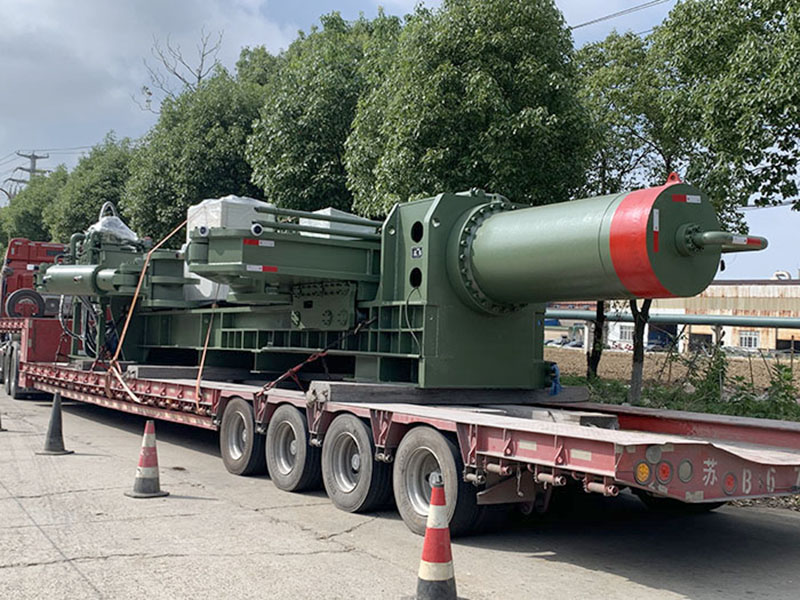
Operating flexibility is another difference to consider. Alligator shears can efficiently cut various long and relatively narrow metal materials, making them useful for applications involving bars, rods, profiles, and pipes. Gantry shears are better suited to large and irregular scrap that requires substantial hydraulic cutting force. The best choice depends on the composition of the facility's incoming scrap stream. Hydraulic performance is essential for both types of equipment. A reliable hydraulic system provides the force required for repeated cutting operations while maintaining stable machine performance. Proper hydraulic pressure control also helps reduce unnecessary stress on blades and structural components, supporting longer equipment service life and consistent cutting results.
Maintenance requirements should be evaluated before making a purchasing decision. Both gantry and alligator shears require regular inspection of hydraulic systems, cutting blades, hoses, seals, and other wear components. Choosing equipment that matches the intended material prevents unnecessary overload and can help reduce maintenance frequency and operating costs. Budget and long-term operating requirements are also important. A larger gantry shear may require a higher initial investment but can provide the capacity needed for heavy-duty processing. An alligator shear may offer a more economical solution for smaller operations while still providing reliable cutting performance. Businesses should consider total operating costs, expected throughput, maintenance, and equipment lifespan rather than focusing only on the initial purchase price.
In some recycling facilities, using both types of shears can provide greater flexibility. An alligator shear can handle smaller and more manageable materials, while a gantry shear can process oversized and heavy scrap. Combining equipment according to material characteristics can create a more efficient recycling workflow and reduce bottlenecks. When selecting between a gantry shear and an alligator shear, businesses should evaluate material type, scrap dimensions, processing volume, available space, required cutting force, budget, and future production needs. Selecting equipment based on actual operating requirements ensures better performance and helps avoid underutilization or unnecessary investment.