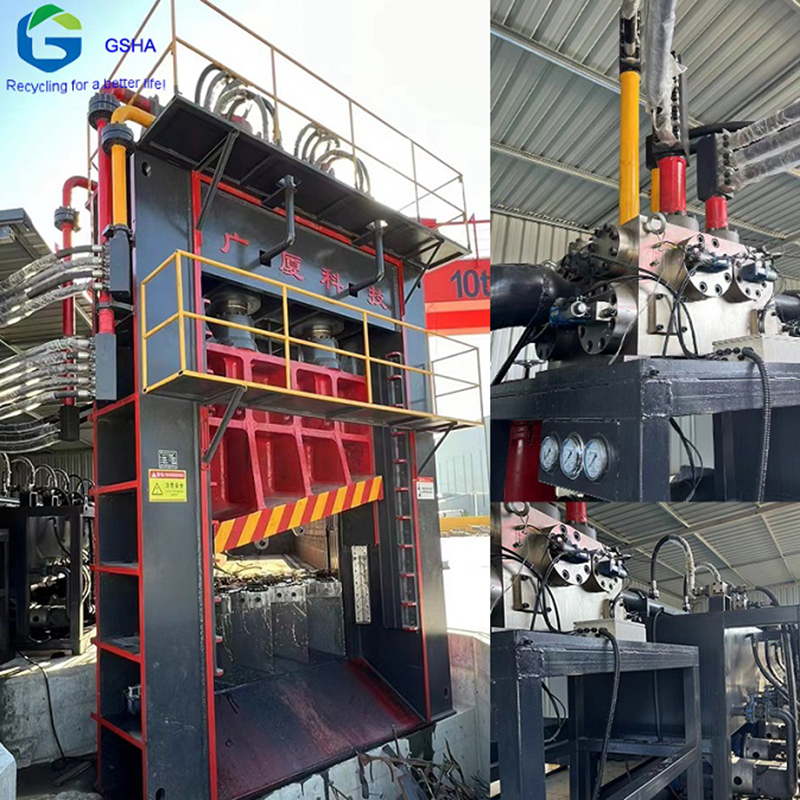

How Digital Monitoring Improves Efficiency in Hydraulic Machinery
Digital monitoring technology is transforming the hydraulic machinery industry by improving efficiency, reliability, and operational control. In modern recycling and industrial processing facilities, hydraulic machines such as balers, shears, shredders, and briquette presses are expected to operate continuously under demanding conditions. Digital monitoring systems help operators manage these machines more effectively by providing real-time performance data and improving decision-making. One of the biggest advantages of digital monitoring is real-time equipment tracking. Sensors installed in hydraulic systems can monitor pressure, temperature, oil levels, motor performance, and operating speed continuously. This allows operators to quickly identify abnormal conditions and make adjustments before small problems develop into major equipment failures.
Digital monitoring also improves preventive maintenance. Traditional maintenance often depends on fixed schedules or manual inspections, which may not detect hidden issues early enough. With digital systems, machine conditions can be monitored continuously, allowing maintenance teams to predict wear and potential failures more accurately. This reduces unexpected downtime and extends equipment lifespan. Another important benefit is improved operational efficiency. By analyzing machine performance data, operators can optimize hydraulic pressure, cycle times, and processing speeds. Machines can run at the most efficient settings for different materials and workloads, increasing productivity while reducing unnecessary energy consumption.
Energy management is greatly enhanced through digital monitoring systems. Hydraulic machinery consumes significant power during operation, and inefficient settings can increase operating costs. Digital systems help identify excessive energy use and allow facilities to optimize machine performance, reducing electricity consumption and improving sustainability. Digital monitoring also improves workplace safety. Sensors and automated warning systems can detect overheating, overload conditions, hydraulic leaks, or abnormal pressure levels in real time. Operators receive alerts immediately, allowing them to stop the machine or take corrective action before dangerous situations occur.
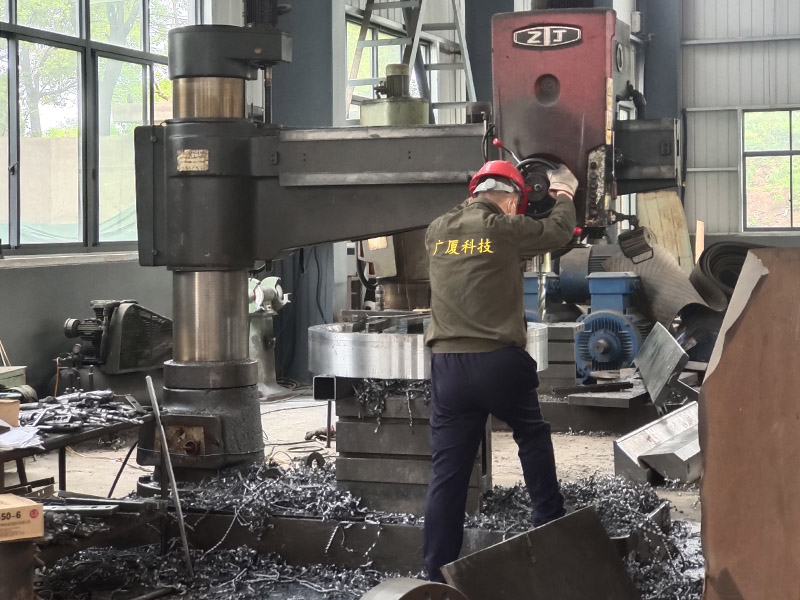
Data collection and performance analysis are additional advantages of digital monitoring technology. Modern systems store operational data that can be reviewed to identify productivity trends, maintenance needs, and equipment efficiency levels. This information helps managers make better operational decisions and improve long-term production planning. Remote monitoring capability further increases convenience and efficiency. In many advanced systems, operators and managers can monitor machine performance remotely through computers or mobile devices. This allows faster technical support, easier supervision of multiple machines, and quicker response to operational issues.
Automation integration is another important benefit. Digital monitoring systems can work together with automated controls to adjust machine performance automatically based on operating conditions. This improves precision, reduces manual intervention, and ensures more stable production quality in recycling facilities. Digital monitoring also helps reduce maintenance costs. By identifying problems early and preventing serious breakdowns, companies can avoid expensive repairs and reduce replacement part usage. Well-monitored hydraulic systems experience less wear and operate more reliably over long periods.
In conclusion, digital monitoring significantly improves the efficiency of hydraulic machinery by enhancing equipment control, reducing downtime, improving energy management, and supporting safer operation. As recycling and industrial industries continue moving toward automation and intelligent manufacturing, digital monitoring systems will become an essential part of modern hydraulic machinery management and long-term operational success.