
Future Innovations in Hydraulic Systems for Recycling Applications
The recycling industry is evolving rapidly as businesses seek greater efficiency, sustainability, and automation in their operations. At the center of many recycling machines, including balers, shears, shredders, crushers, and briquette presses, are hydraulic systems that provide the power needed to process demanding materials. As technology advances, hydraulic systems are also undergoing significant improvements. Future innovations in hydraulic technology are expected to enhance machine performance, reduce energy consumption, improve reliability, and support the growing demands of modern recycling applications. One of the most important trends in hydraulic system development is the integration of intelligent control technology. Future hydraulic systems will utilize advanced sensors and digital monitoring tools to continuously track pressure, temperature, oil condition, and component performance. These systems will automatically adjust operating parameters in real time, ensuring optimal efficiency while reducing unnecessary energy consumption and equipment wear.
Energy-efficient hydraulic systems are expected to become a major focus in recycling machinery. Traditional hydraulic equipment often operates at constant pressure, even when full power is not required. Future systems will incorporate variable-speed drives and smart pump technologies that deliver hydraulic power only when needed. This approach can significantly reduce electricity consumption and help recycling facilities lower operating costs while supporting environmental sustainability goals. Predictive maintenance technology will play a larger role in future hydraulic systems. Through data collection and artificial intelligence analysis, machines will be able to predict potential component failures before they occur. Operators will receive maintenance alerts based on actual equipment conditions rather than fixed service schedules. This innovation will reduce unexpected downtime, lower repair costs, and extend the lifespan of hydraulic machinery.
Another promising development is the use of electro-hydraulic systems. These systems combine the power of hydraulics with the precision of electronic controls, allowing for more accurate force regulation and smoother machine operation. In recycling applications, electro-hydraulic technology can improve cutting accuracy, bale density consistency, and shredding performance while reducing energy waste. Hydraulic fluid technology is also expected to advance significantly. Future hydraulic oils will offer improved lubrication, longer service life, and greater resistance to contamination. Environmentally friendly biodegradable hydraulic fluids are becoming increasingly important as recycling facilities seek to minimize environmental risks and comply with stricter regulations. These advanced fluids can improve both machine performance and sustainability.
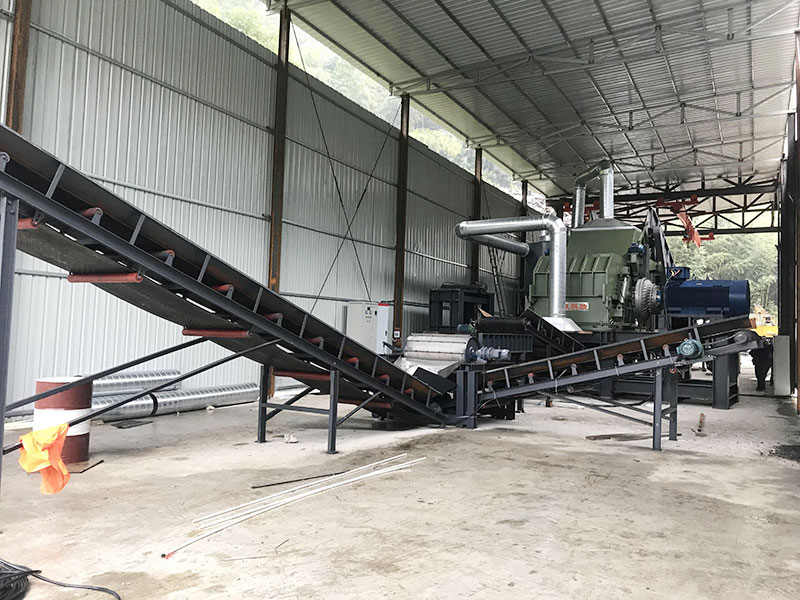
Compact and high-performance hydraulic components will continue to reshape machine design. Future pumps, valves, and cylinders are expected to deliver greater power density while occupying less space. This will allow manufacturers to build more compact recycling equipment without sacrificing processing capacity, making machines easier to install and integrate into existing facilities. Automation will become even more deeply integrated into hydraulic recycling systems. Advanced hydraulic controls will work alongside automated feeding, sorting, and material handling systems to create highly efficient recycling lines. Automated hydraulic machinery will require less manual intervention, improve processing consistency, and increase overall production capacity.
Remote monitoring and cloud-based management systems are expected to become standard features. Operators and maintenance teams will be able to monitor machine performance, receive alerts, and access operational data from anywhere using connected devices. This capability will improve decision-making, enhance technical support, and allow recycling facilities to manage equipment more effectively across multiple locations. Future hydraulic systems will also focus on reducing noise and vibration. Advanced component designs and improved hydraulic control methods will create quieter and smoother machine operation. This will improve workplace conditions for operators while reducing mechanical stress on equipment, contributing to longer service life and lower maintenance requirements.
Sustainability will remain a major driving force behind hydraulic innovation. Manufacturers will continue developing systems that reduce energy consumption, minimize oil usage, and improve material processing efficiency. These advancements will help recycling facilities achieve both environmental and economic objectives while supporting global efforts toward resource conservation and circular economy development. In conclusion, the future of hydraulic systems in recycling applications is being shaped by intelligent controls, energy efficiency, predictive maintenance, automation, and sustainability. These innovations will enable recycling machinery to operate more efficiently, reliably, and environmentally responsibly than ever before. As recycling demands continue to grow worldwide, advanced hydraulic technologies will play a crucial role in driving the next generation of high-performance recycling equipment.