
Building a Cost-Effective Scrap Metal Recycling System with Hydraulic Machinery
Building a cost-effective scrap metal recycling system requires careful equipment selection, efficient workflow planning, and effective resource management. As recycling facilities handle increasing volumes of metal waste from manufacturing, construction, automotive, and industrial operations, choosing suitable machinery becomes essential. Hydraulic equipment can help businesses improve processing efficiency, reduce manual handling, and manage operating costs while recovering valuable metal resources. The first step is understanding the types of scrap materials that need to be processed. Different recycling facilities handle steel plates, iron scrap, aluminum waste, metal bars, steel turnings, and other recyclable materials. These materials vary in size, thickness, shape, and density, meaning they may require different processing methods. Identifying the main material types and expected daily volume helps businesses determine which machines are necessary and avoid investing in equipment that does not match their actual requirements.
A well-designed recycling system should begin with an organized material sorting process. Separating different metals and removing non-metallic contaminants before processing can improve material quality and reduce unnecessary machine workload. Proper sorting also helps operators direct each type of scrap toward the most suitable equipment, making the entire recycling workflow more efficient. Hydraulic metal shears are important for reducing the size of bulky scrap materials. Large steel sections, metal profiles, and structural components can be difficult to transport or feed into other machines. Equipment such as the Q43 Series Alligator Type Metal Shear and Q91Y Series Gantry Type Metal Shear can cut different types of metal scrap into manageable sizes. Selecting the appropriate shear according to material dimensions and cutting requirements helps improve productivity and control equipment investment costs.
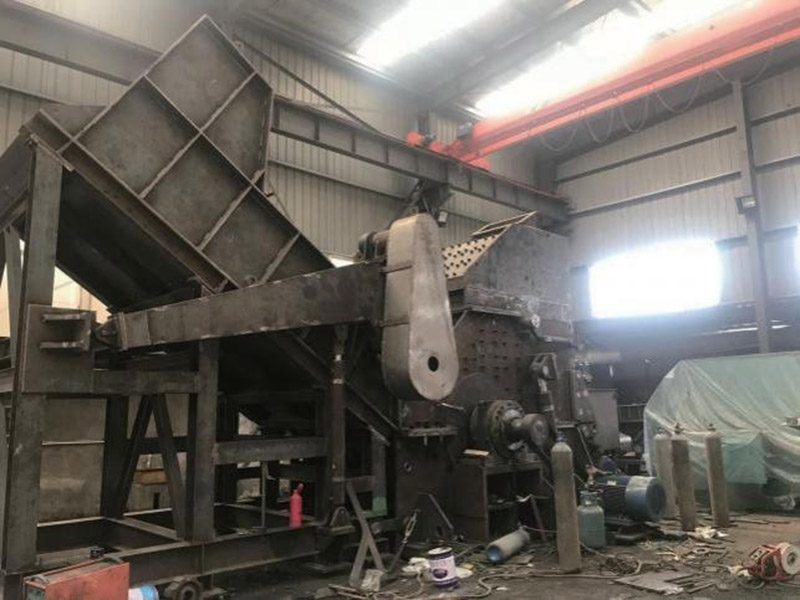
For recycling facilities handling large quantities of metal waste, shredders and pre-shredders can provide additional processing capabilities. Metal pre-shredders reduce oversized materials into smaller sections before further processing, while metal shredders break suitable scrap into smaller fragments. This staged approach can improve material preparation and help create a more organized production line. However, businesses should evaluate their required output size and actual processing volume before deciding whether both machines are necessary. Hydraulic scrap metal balers are another valuable part of a cost-effective recycling system. Loose metal scrap can occupy significant storage space and increase transportation difficulties. Balers compress suitable materials into compact packages, helping reduce storage requirements and improve transportation efficiency. For facilities processing metal chips from machining operations, hydraulic metal chips briquette presses can also help compact loose chips into manageable briquettes.
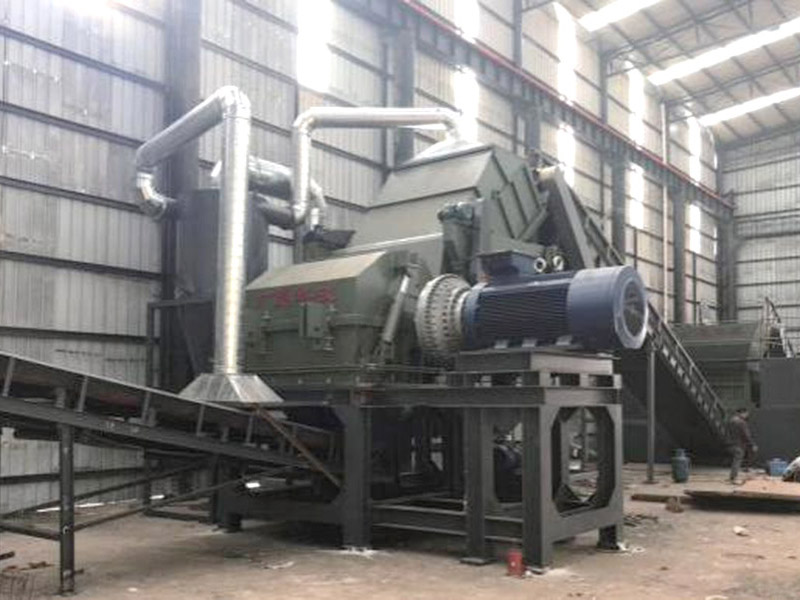
Equipment compatibility is essential when combining different machines. A recycling system should allow materials to move smoothly from sorting and cutting to shredding, crushing, and compacting. If machine capacities are poorly matched, bottlenecks may develop between processing stages, reducing overall productivity. Planning equipment layout, material feeding methods, and discharge arrangements in advance can help prevent unnecessary handling and improve workflow continuity. Energy consumption and maintenance expenses should also be considered when evaluating long-term costs. Businesses should compare hydraulic system efficiency, operating requirements, replacement parts, and expected service life rather than focusing only on the initial purchase price. Regular maintenance, including hydraulic oil inspections, blade replacement, lubrication, and component checks, can help reduce unexpected downtime and protect equipment investment.
Automation and appropriate machine configurations can further improve cost efficiency. Hydraulic equipment with suitable control systems can reduce repetitive manual operations and support more consistent processing. Depending on production requirements, recycling facilities may benefit from customized feeding systems, coordinated equipment arrangements, or additional material handling solutions. The goal is to improve productivity without introducing unnecessary complexity or expense. Choosing an experienced equipment manufacturer is another important decision. A reliable supplier should understand different scrap processing applications and provide suitable recommendations based on material characteristics, production targets, and available space. Technical support, spare parts availability, equipment customization, and after-sales service can all influence the long-term performance of a recycling system.
Jiangyin Guangsha Hydraulic Machinery Co., Ltd. specializes in hydraulic machinery and scrap recycling solutions for customers in different markets. Its product range includes scrap metal balers, Q43 Series Alligator Type Metal Shears, Q91Y Series Gantry Type Metal Shears, bale breakers, metal pre-shredders, scrap metal crushers, and metal shredders. With an annual production capacity of more than 1,500 sets of hydraulic machinery and customized equipment options, the company supports different scrap processing requirements. Ultimately, building a cost-effective scrap metal recycling system is about balancing equipment performance, production capacity, operating expenses, and future business needs. By selecting suitable hydraulic machinery, coordinating different processing stages, and maintaining equipment properly, recycling facilities can improve material handling efficiency and reduce unnecessary costs. A carefully planned recycling system can provide reliable long-term performance while supporting more efficient recovery and reuse of valuable metal resources.