
The Benefits of Two-Stage Scrap Metal Processing
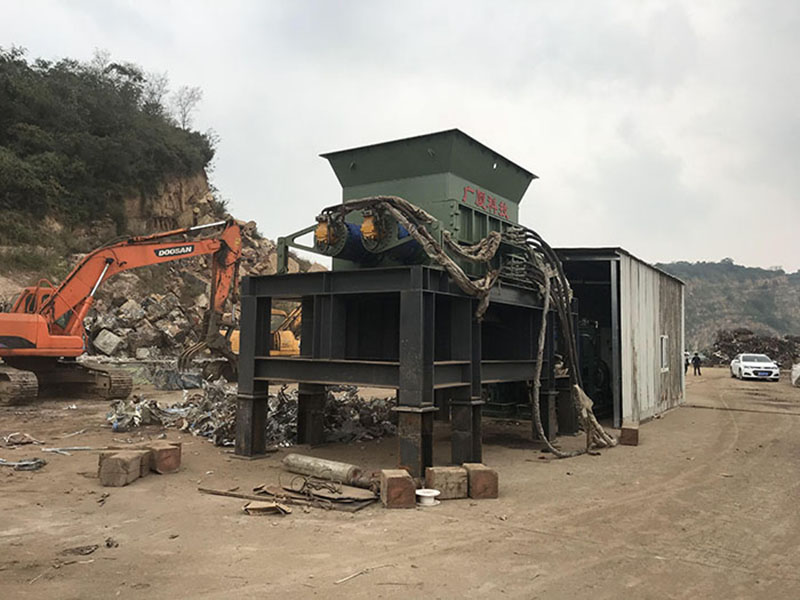
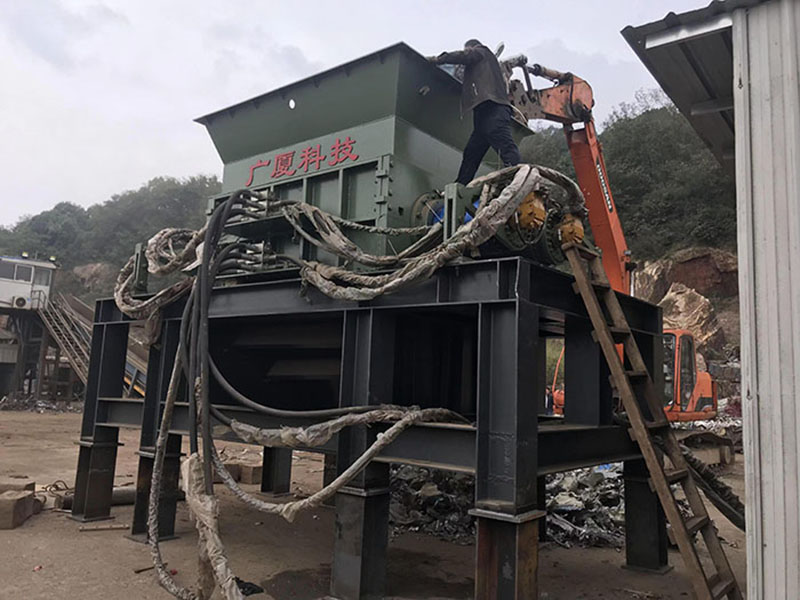
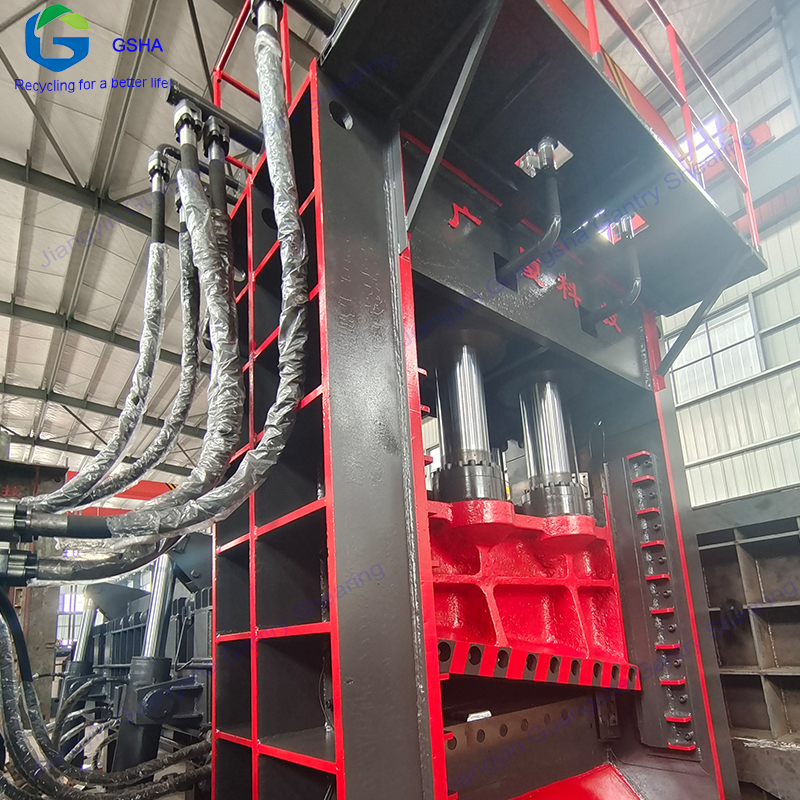
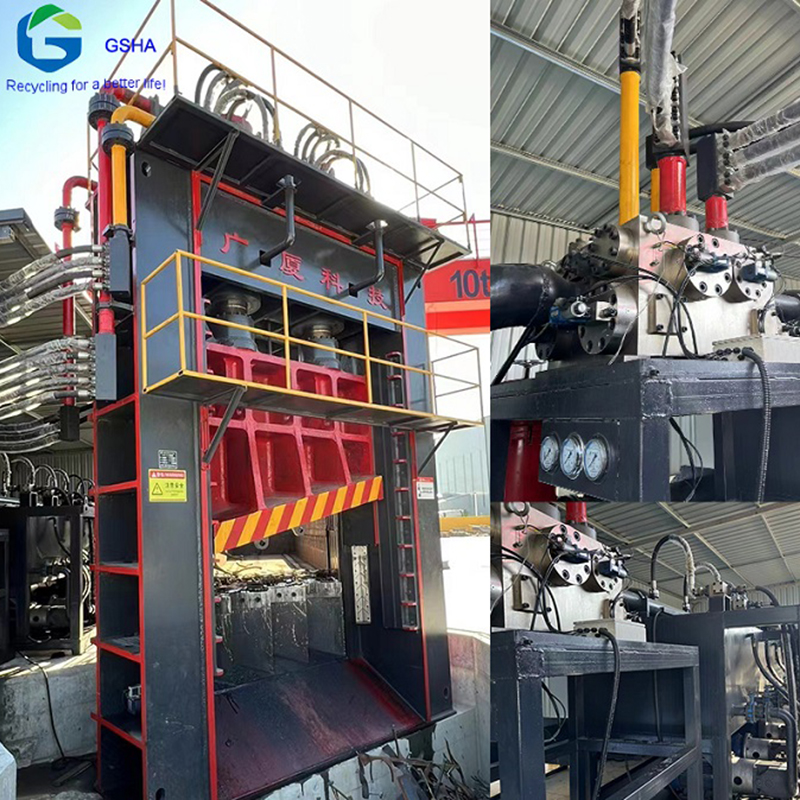
Two-stage scrap metal processing is an effective approach for improving efficiency in modern recycling facilities. Instead of processing scrap materials through a single operation, this method divides the work into two stages, allowing materials to be reduced in size and prepared for further processing more systematically. By combining suitable equipment, recycling businesses can handle bulky metal waste more efficiently, improve material flow, and optimize overall production performance. The first stage generally focuses on primary processing, such as cutting, breaking, or pre-shredding large scrap materials into smaller pieces. Scrap metal often arrives in irregular shapes and sizes, including steel frames, structural components, metal offcuts, and heavy industrial waste. Equipment such as hydraulic metal shears and metal bale pre-shredders can help reduce the size of these materials, making them easier to transfer to the next processing stage.
The second stage focuses on further size reduction or material preparation according to the facility's requirements. After the initial processing, scrap can be transferred to shredders, crushers, or other suitable machinery for additional treatment. This staged approach allows recycling facilities to process materials progressively rather than requiring one machine to handle every size and type of scrap. One major benefit of two-stage processing is improved equipment efficiency. Large and bulky scrap can place considerable demands on downstream machinery if it enters the system without sufficient preparation. Reducing material size during the first stage helps create more manageable feedstock for the next machine. This can support smoother operation and help reduce unnecessary strain on equipment when the processing line is properly designed.
Another advantage is greater flexibility when handling different types of metal waste. Recycling facilities may receive steel scrap, discarded machinery parts, manufacturing offcuts, and other materials with varying dimensions and characteristics. A two-stage system allows operators to select different machines for specific processing tasks. This makes it easier to adapt the workflow to the materials being handled and the desired output. Two-stage processing can also improve material handling and transportation within a recycling plant. Oversized scrap is often difficult to move, store, and feed into machinery efficiently. Primary size reduction creates smaller, more manageable pieces, helping operators transfer materials between processing areas. When combined with suitable loaders, conveyors, or lifting equipment, this approach can reduce unnecessary handling and improve workflow organization.
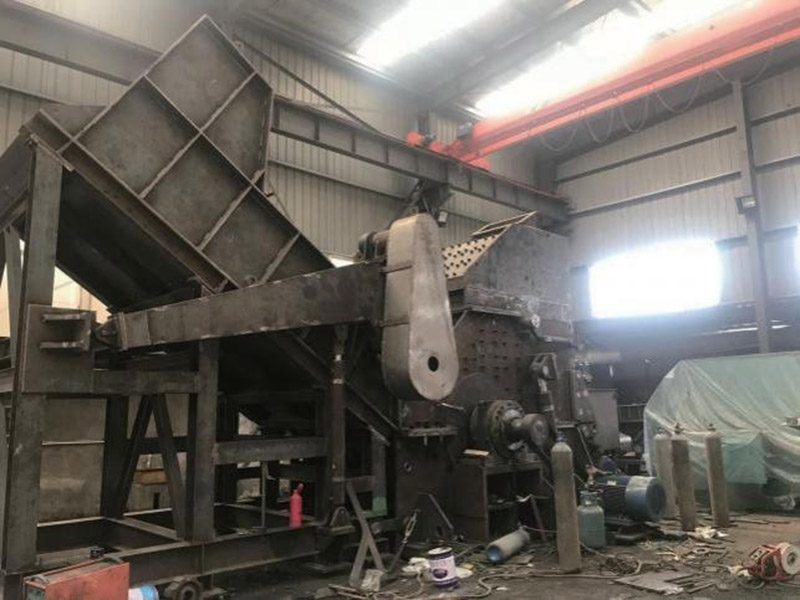
Production consistency is another important benefit. A well-planned two-stage system allows each machine to perform a defined task, making it easier to control material flow throughout the processing line. Operators can adjust feeding methods and processing settings according to material characteristics and equipment capabilities. Consistent preparation can also support downstream sorting and recovery operations. Two-stage processing may help reduce maintenance pressure when equipment is correctly matched to the materials being processed. Large scrap pieces can create sudden loads or uneven feeding conditions when introduced directly into machinery that is not designed to handle them. Primary processing helps prepare the material before further reduction. However, actual maintenance benefits depend on equipment design, operating conditions, material composition, and maintenance practices.
Energy use and operating costs should also be considered when planning a two-stage system. Although adding another machine can increase initial investment and energy consumption, the overall arrangement may improve productivity when each stage is properly matched to the required workload. Businesses should compare throughput, energy requirements, labor, maintenance, and output quality rather than assuming that two stages will always be more economical than one. Selecting compatible equipment is essential for achieving these benefits. The capacity of the first machine should align with the feeding requirements of the second machine to prevent bottlenecks or excessive waiting time. Recycling facilities should evaluate scrap dimensions, material types, target output size, daily processing volume, available floor space, and material handling methods before designing their production line.
Jiangyin Guangsha Hydraulic Machinery Co., Ltd. provides hydraulic scrap processing equipment for different recycling applications, including metal shears, bale breakers, metal bale pre-shredders, scrap metal crushers, and metal shredders. Equipment such as the GS Series Metal Bale Pre-shredder and PSX Series Scrap Metal Crusher can be considered for suitable processing configurations, depending on material characteristics and production requirements. In conclusion, two-stage scrap metal processing offers a structured way to manage bulky materials, improve feeding conditions, and coordinate different processing operations. By dividing size reduction into appropriate stages, recycling facilities can build a more flexible and organized production workflow. With carefully selected machinery and proper equipment matching, businesses can improve processing efficiency, manage operating costs, and support the effective recovery of valuable recyclable metals.