
The Role of Scrap Processing Equipment in Automotive Metal Recycling
The automotive industry generates a significant amount of recyclable metal through end-of-life vehicles, manufacturing offcuts, damaged components, and production scrap. Recovering these materials efficiently requires specialized scrap processing equipment capable of handling different metal types, sizes, and shapes. Hydraulic balers, metal shears, shredders, crushers, and other recycling machines help transform automotive scrap into valuable materials that can be reused in manufacturing. The first step in automotive metal recycling is usually the collection and preparation of scrap vehicles and components. Cars contain steel, aluminum, copper, and other recyclable metals, often mixed with non-metal materials. Proper dismantling and sorting help separate valuable metal from plastics, rubber, glass, and other contaminants before the material enters heavy-duty processing equipment.
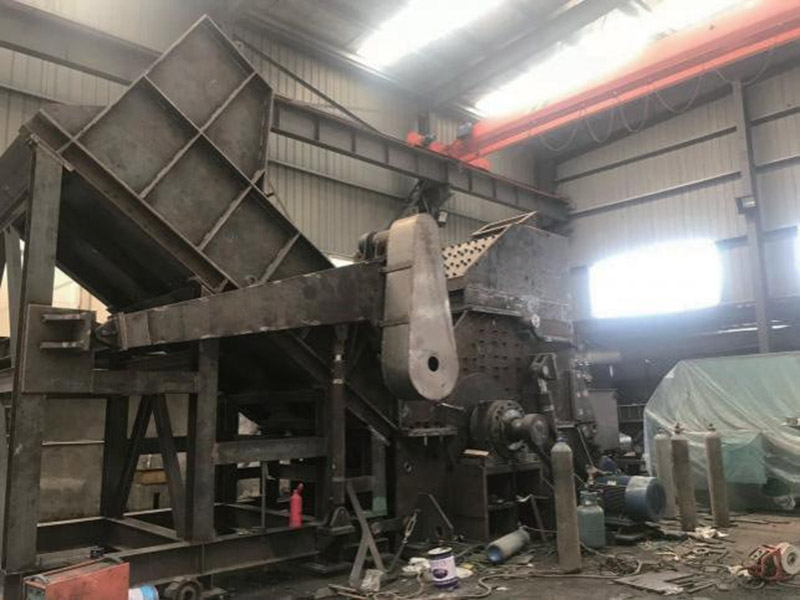
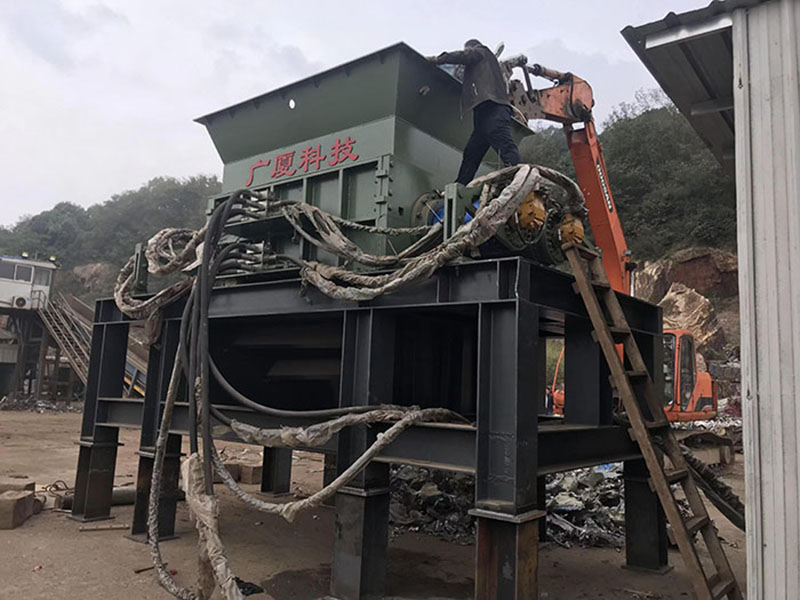
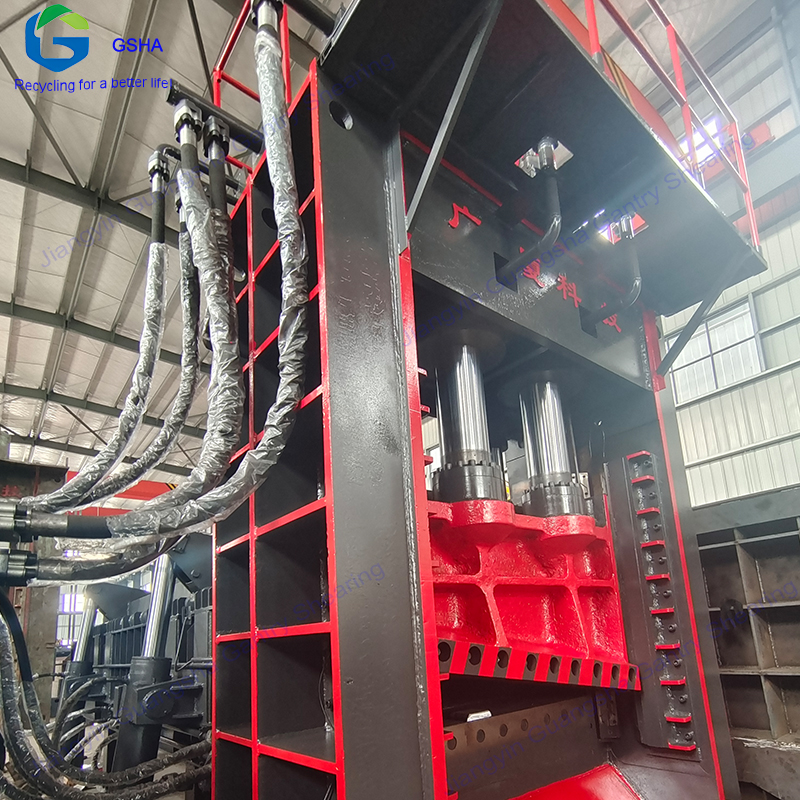
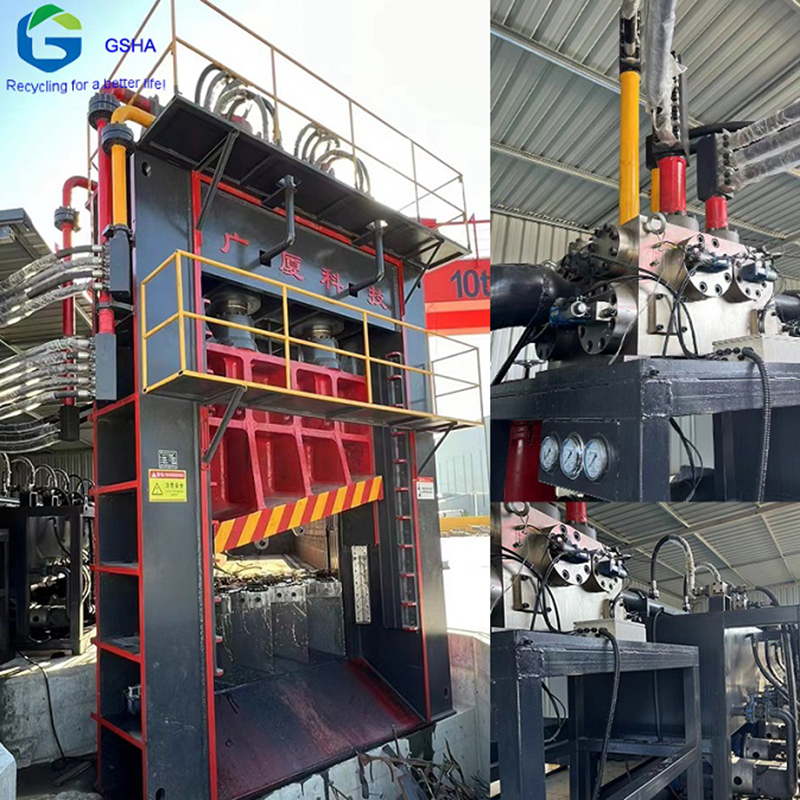
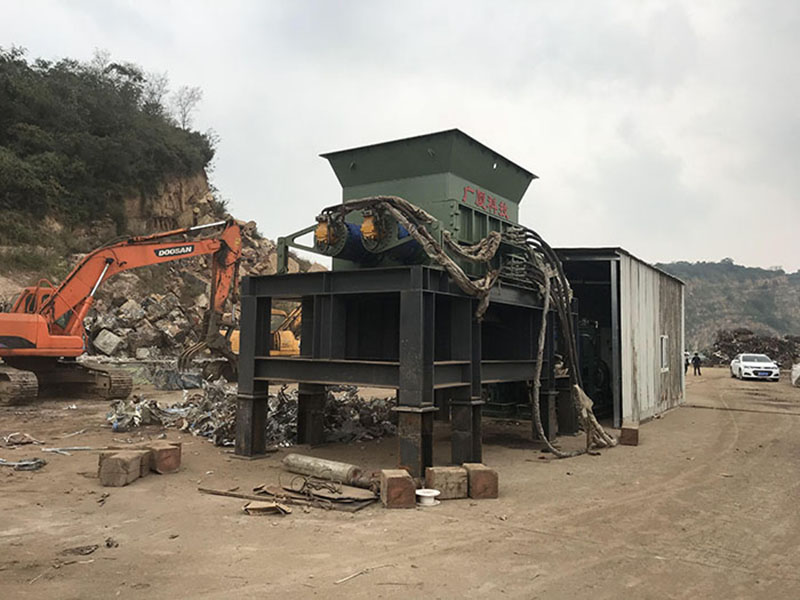
Hydraulic metal shears play an important role when dealing with large automotive metal components. Vehicle frames, body sections, axles, pipes, and other bulky materials can be difficult to handle in their original form. Equipment such as the Q43 Series Alligator Type Metal Shear and Q91Y Series Gantry Type Metal Shear can reduce suitable metal scrap into more manageable sizes, making subsequent processing, transportation, and sorting more efficient. Scrap shredders are also essential for processing automotive metal waste. After dismantling and preliminary preparation, shredders can reduce larger pieces into smaller fragments. The GS Series Metal Shredder and GS Series Steel Scrap Shredder are designed for demanding scrap processing applications, helping recycling facilities improve material preparation and support more efficient separation of recyclable metals.
Scrap crushers provide another useful processing stage for automotive recycling operations. By reducing the size and volume of suitable metal scrap, crushing equipment can improve handling and storage efficiency. The PSX Series Scrap Metal Crusher can be incorporated into appropriate processing workflows to help prepare scrap for further sorting, transportation, or recycling. Once metal has been properly prepared, hydraulic balers can compact recyclable materials into dense and manageable bales. Baling significantly reduces the volume of loose scrap, making storage and transportation more efficient. The Y81 Series Scrap Metal Baler provides a practical solution for recycling facilities that need to process and compact large quantities of metal scrap.
Hydraulic recycling equipment also helps improve the overall efficiency of automotive scrap logistics. Loose vehicle components and metal fragments can occupy considerable storage space and require more transportation capacity. Shearing, shredding, crushing, and baling reduce material volume and improve loading efficiency, helping recycling businesses control handling and transportation costs. Material sorting is another important part of automotive metal recycling. Different metals have different market values and downstream processing requirements. Separating ferrous metals from non-ferrous materials before or after mechanical processing can improve material recovery and reduce contamination. Efficient equipment integration allows recycling facilities to create a smoother workflow from dismantling through final material preparation.
Equipment durability is particularly important in automotive recycling because scrap can contain thick, irregular, and abrasive metal components. Heavy-duty hydraulic machinery must withstand repeated impact and high processing loads. Strong machine structures, reliable hydraulic systems, durable blades, and properly selected wear components help maintain stable performance in demanding recycling environments. Maintenance and proper machine operation also influence recycling efficiency. Regular inspection of hydraulic oil, cylinders, hoses, blades, bearings, and other critical components helps prevent unexpected downtime. Trained operators can also adjust machine settings according to material characteristics, reducing unnecessary equipment stress and maintaining consistent processing performance.
Customized recycling solutions are increasingly valuable for automotive scrap processors. Each facility may handle different vehicle types, material volumes, and processing stages. A combination of shears, shredders, crushers, balers, and conveyors can be selected according to specific production requirements. Customized equipment configurations help businesses optimize material flow and improve overall plant productivity. In conclusion, scrap processing equipment plays a vital role in transforming automotive metal waste into valuable secondary raw materials. Hydraulic shears, shredders, crushers, and balers help reduce material size, improve handling, increase storage and transportation efficiency, and support better material recovery. With reliable hydraulic recycling machinery and an appropriately designed processing workflow, automotive recycling facilities can improve productivity while contributing to resource conservation and a more sustainable circular economy.