
How to Improve Throughput in High-Volume Scrap Processing Facilities
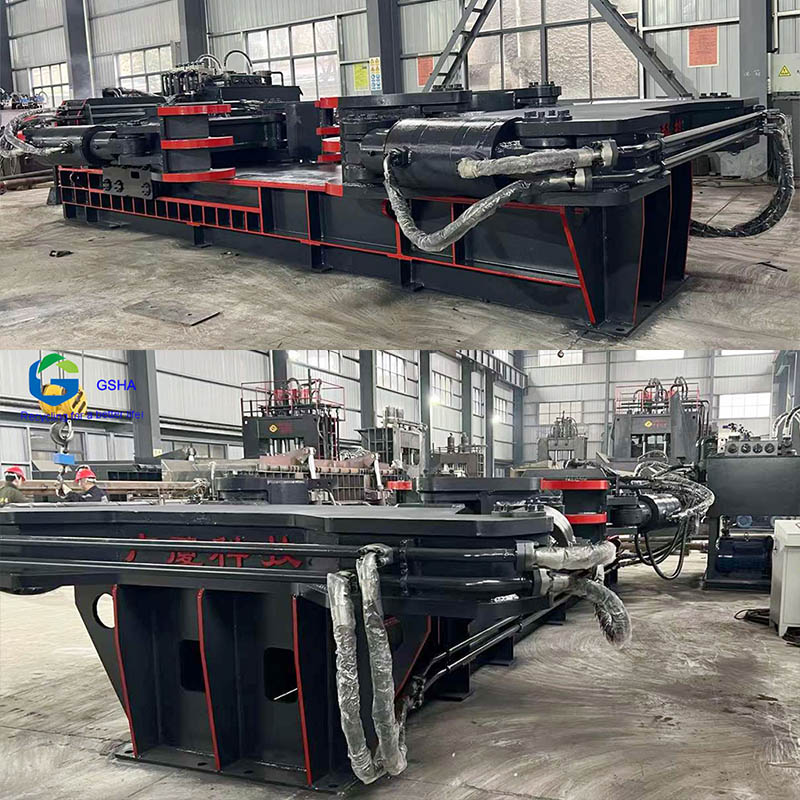
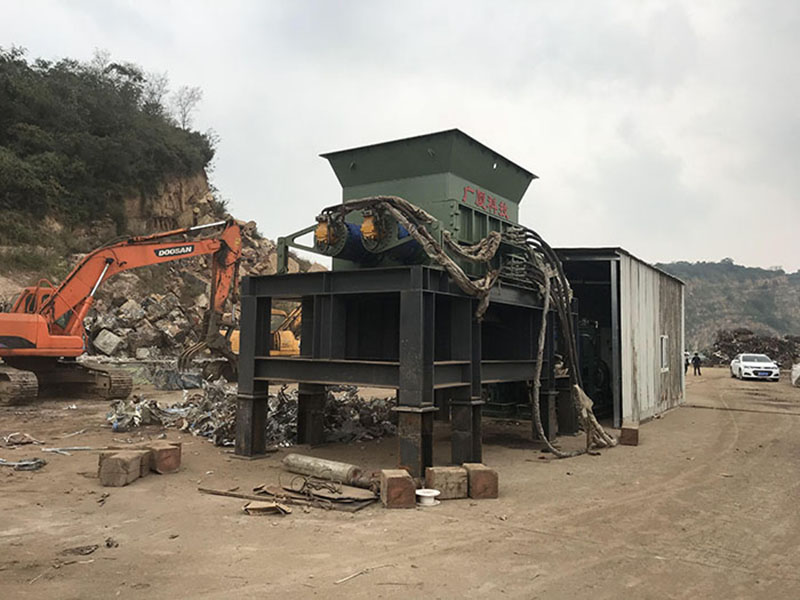
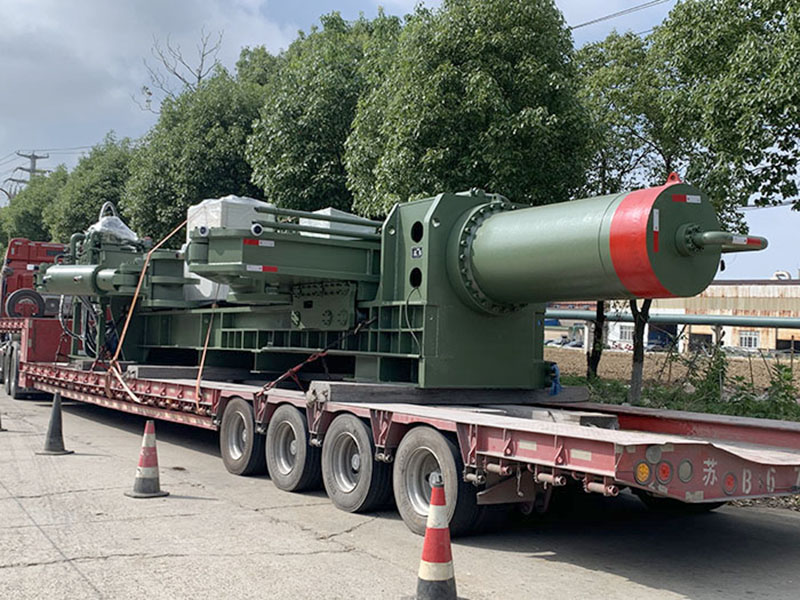
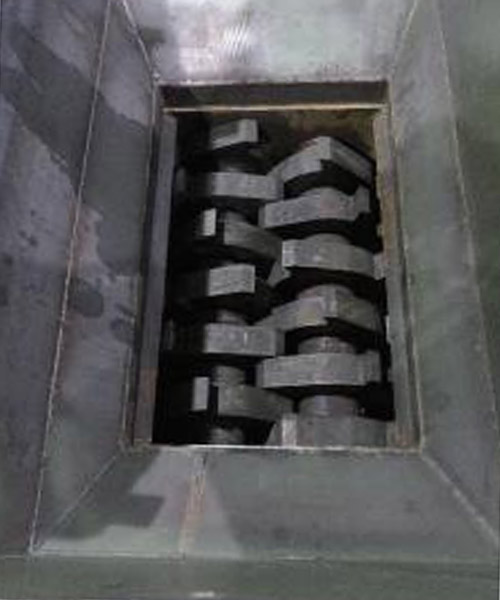
High-volume scrap processing facilities face increasing pressure to handle larger material volumes while maintaining efficiency, reducing costs, and ensuring consistent output quality. Improving throughput is essential for maximizing equipment utilization, increasing profitability, and meeting growing recycling demands. By optimizing production processes, upgrading equipment, and improving operational management, recycling businesses can significantly enhance their processing capacity. One of the most effective ways to improve throughput is selecting the right recycling equipment for specific applications. Machines such as scrap metal balers, hydraulic shears, shredders, and crushers should be matched with the type and volume of materials being processed. High-performance equipment with strong hydraulic systems and efficient processing capabilities allows facilities to handle larger quantities of scrap with fewer interruptions.
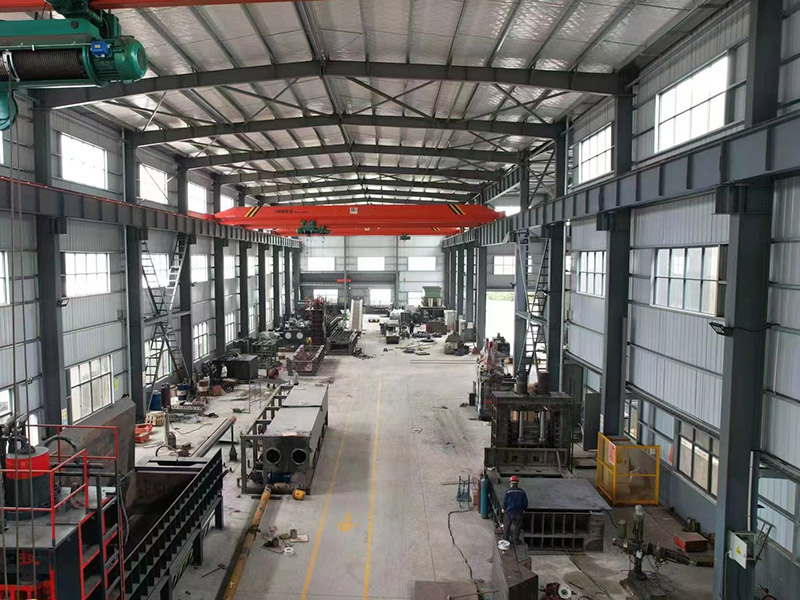
Optimizing material flow is another important factor in increasing productivity. A well-designed workflow ensures that scrap materials move smoothly from receiving areas to sorting, processing, storage, and transportation stages. Reducing unnecessary material movement and improving equipment placement can shorten processing time and prevent production bottlenecks. Advanced scrap sorting systems can also improve overall throughput. Proper sorting before processing ensures that materials are separated according to type, size, and quality. When clean and properly classified scrap enters processing equipment, machines operate more efficiently, experience less wear, and achieve higher production speeds.
Automation plays an increasingly important role in high-volume recycling facilities. Automated feeding systems, conveyor systems, intelligent controls, and digital monitoring solutions reduce manual intervention and improve processing consistency. Automation allows machines to operate continuously with fewer delays, helping facilities increase output while reducing labor requirements. Regular equipment maintenance is essential for maintaining maximum throughput. Unexpected machine downtime can significantly reduce production efficiency and increase operating costs. Preventive maintenance programs, including hydraulic system inspections, blade checks, lubrication, and component replacement, help keep equipment running smoothly and prevent costly breakdowns.
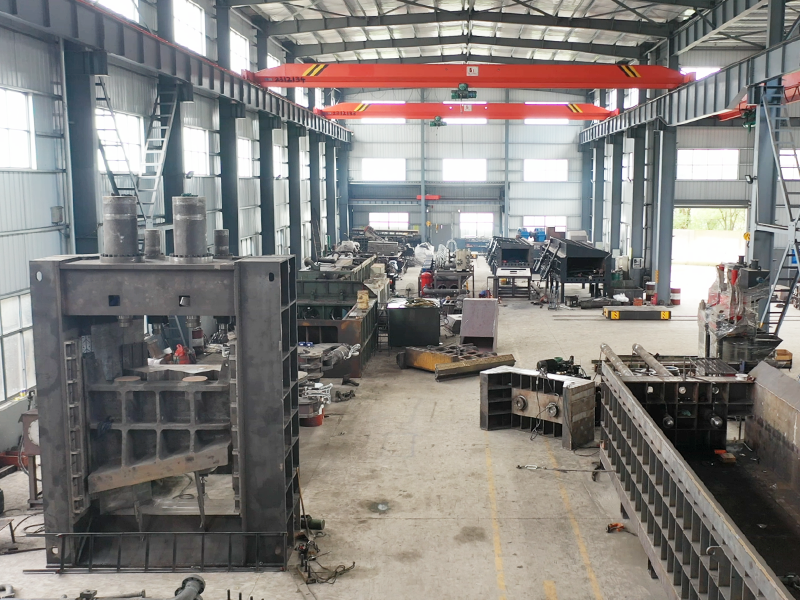
Choosing equipment with high processing capacity is also critical. For large-scale operations, machines such as the Y81 Series Scrap Metal Baler, GS Series Metal Shredder, PSX Series Scrap Metal Crusher, and Q91Y Series Gantry Type Metal Shear provide the power and durability required for continuous heavy-duty processing. High-capacity machinery ensures that facilities can handle large scrap volumes without reducing operational efficiency. Operator training is another key element in improving throughput. Skilled operators understand how to properly load materials, adjust machine settings, and identify early signs of equipment issues. Proper operation reduces errors, prevents unnecessary downtime, and ensures that machines perform at their highest efficiency.
Energy management can also influence production performance. Inefficient hydraulic systems or incorrect machine settings may increase energy consumption and reduce overall productivity. Modern recycling equipment with optimized hydraulic controls and energy-saving technologies helps maintain strong performance while lowering operational expenses. Digital monitoring systems provide valuable data for improving processing efficiency. By tracking machine performance, operating cycles, energy usage, and maintenance conditions, managers can identify areas for improvement. Data-driven decisions help optimize production schedules, reduce idle time, and maximize equipment utilization.
Improving storage and logistics efficiency further supports higher throughput. Compacting scrap materials with hydraulic balers reduces storage space requirements and simplifies transportation. Efficient handling of finished bales or processed scrap allows facilities to maintain continuous material flow and avoid congestion in production areas. In conclusion, improving throughput in high-volume scrap processing facilities requires a combination of advanced equipment, optimized workflows, automation, preventive maintenance, and skilled operation. By investing in reliable hydraulic recycling machinery and continuously improving operational processes, recycling businesses can increase productivity, reduce costs, and achieve more efficient scrap processing performance. A well-optimized recycling facility is better positioned to meet market demands and support long-term growth in the recycling industry.