
The Importance of Hydraulic Pressure Control in Recycling Machinery
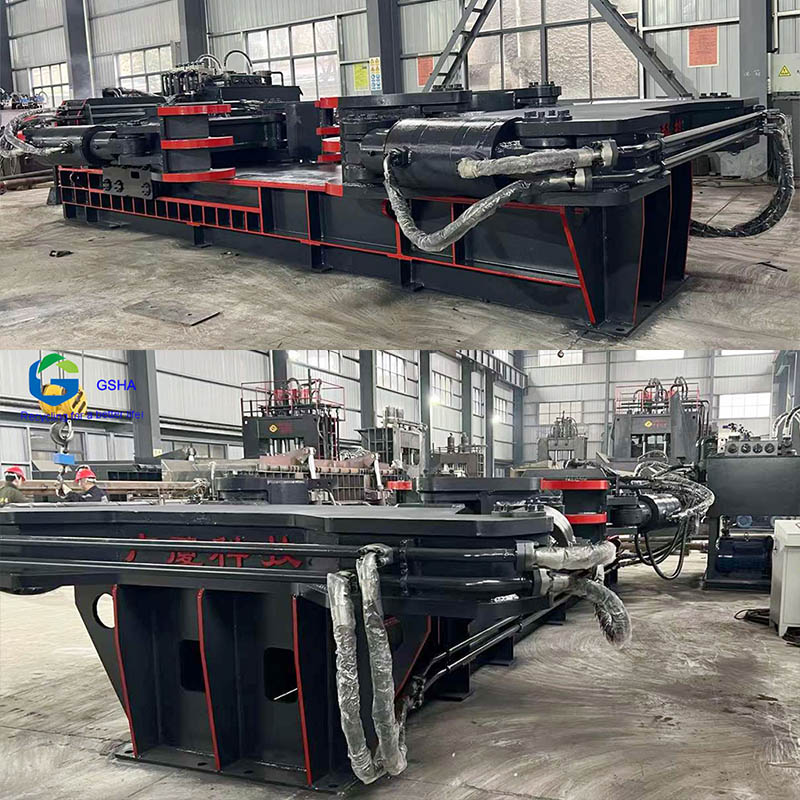
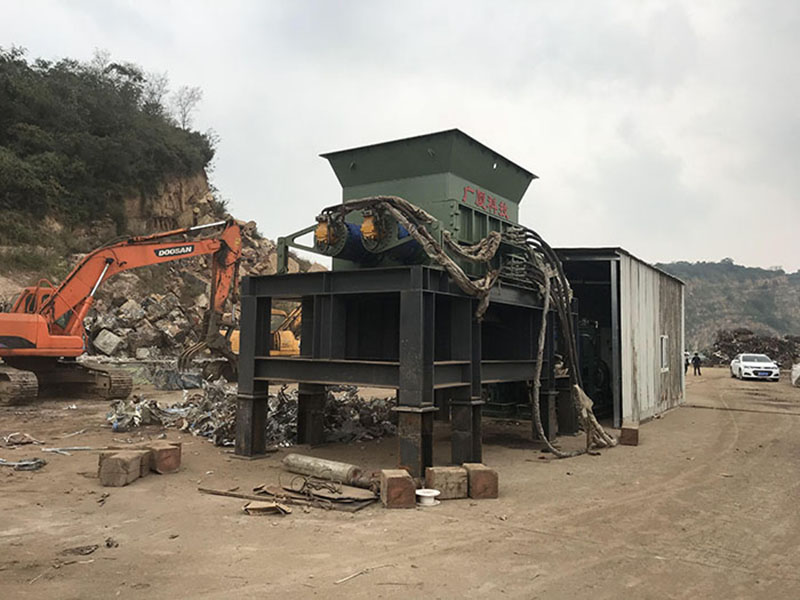
Hydraulic pressure control is one of the most important factors in the performance and reliability of recycling machinery. Equipment such as scrap metal balers, shears, shredders, and briquette presses all depend on hydraulic systems to generate the force needed for processing heavy and dense materials. Proper hydraulic pressure management ensures stable operation, improves efficiency, protects machine components, and supports safe working conditions in recycling facilities. One of the primary functions of hydraulic pressure control is to provide consistent processing performance. Recycling machinery handles materials with different sizes, densities, and hardness levels, which require varying amounts of force during operation. Accurate pressure control allows machines to maintain stable compression, cutting, or shredding performance without overloading the system or reducing processing quality.
Efficient hydraulic pressure control also improves operational productivity. When pressure levels are properly adjusted, machines can complete working cycles more smoothly and efficiently. Stable hydraulic performance reduces interruptions, improves processing speed, and helps recycling facilities handle larger volumes of scrap material within shorter periods. Another important benefit is equipment protection. Excessive hydraulic pressure can place unnecessary stress on cylinders, pumps, valves, hoses, and structural components. Over time, this may lead to oil leaks, component failure, or even serious mechanical damage. Proper pressure regulation prevents overload conditions and helps extend the lifespan of recycling machinery.
Energy efficiency is closely connected to hydraulic pressure control. If pressure settings are too high, machines consume more energy than necessary during operation. Optimized pressure levels ensure that the hydraulic system uses only the required force for processing specific materials. This reduces electricity consumption and lowers operational costs while maintaining strong machine performance. Hydraulic pressure control also contributes to output quality. In balers, for example, stable pressure ensures that scrap materials are compressed into uniform and dense bales. In shredders and shears, proper pressure maintains consistent cutting and shredding results. Consistent output quality improves downstream processing efficiency and increases the market value of recycled materials.
Safety is another major reason why pressure control is essential in recycling machinery. Unstable or excessive hydraulic pressure can create dangerous operating conditions, including sudden equipment movement or hydraulic system failure. Modern recycling machines are equipped with pressure monitoring systems and overload protection features to maintain safe operating limits and protect both operators and equipment. Advanced hydraulic pressure control systems also support automation and intelligent operation. Modern recycling equipment often includes digital controls and sensors that automatically adjust pressure based on material type and workload. This improves processing accuracy, reduces manual adjustments, and helps maintain stable performance under varying operating conditions.
Maintenance efficiency is improved through proper pressure management as well. Machines operating within recommended pressure ranges experience less wear on hydraulic components, reducing the frequency of repairs and maintenance. Stable hydraulic conditions also help maintain oil quality and reduce the risk of contamination or overheating. Different recycling applications require different pressure settings, making flexibility an important advantage. Heavy steel scrap may require high-pressure processing, while lighter materials such as aluminum scrap can be handled with lower pressure. Adjustable hydraulic systems allow recycling facilities to process multiple material types efficiently using the same equipment.
In conclusion, hydraulic pressure control plays a critical role in the efficiency, safety, durability, and performance of recycling machinery. Proper pressure management ensures stable processing, protects equipment, improves energy efficiency, and enhances output quality. As recycling operations continue to modernize and increase production demands, advanced hydraulic pressure control systems will remain essential for achieving reliable and cost-effective recycling performance.