
The Importance of Blade Quality in Scrap Metal Shredders and Shears
Blade quality is one of the most critical factors influencing the performance, efficiency, and durability of scrap metal shredders and shears. In the recycling industry, these machines operate under extremely demanding conditions, processing hard and abrasive materials such as steel, aluminum, copper, and industrial scrap. High-quality blades are essential for maintaining cutting efficiency, reducing downtime, and ensuring consistent processing results. Investing in durable and precision-engineered blades directly impacts the productivity and profitability of recycling operations. One of the primary reasons blade quality is so important is its direct effect on cutting performance. Sharp and properly designed blades allow shredders and shears to process scrap metal quickly and efficiently. High-quality blades provide cleaner cuts and smoother shredding action, reducing resistance during operation. This improves machine efficiency and enables higher throughput, allowing recycling facilities to process larger volumes of material within shorter timeframes.
Durability is another major advantage of premium blade materials. Scrap metal recycling involves continuous exposure to heavy loads, impact forces, and abrasive surfaces. Low-quality blades wear out quickly, resulting in frequent replacements and interruptions in production. High-grade blades made from wear-resistant alloy steel or specially treated materials maintain their sharpness and structural integrity for longer periods, reducing maintenance frequency and operational costs. Consistent blade quality also helps protect recycling equipment from unnecessary stress and damage. Worn or uneven blades can cause excessive vibration, irregular cutting pressure, and unstable machine operation. Over time, this can place additional strain on hydraulic systems, motors, shafts, and bearings. Properly manufactured blades ensure balanced operation and reduce mechanical stress, extending the lifespan of the entire machine.
Energy efficiency is closely linked to blade condition and quality. Sharp blades require less force to cut or shred materials, reducing energy consumption during operation. In contrast, dull or damaged blades increase resistance, forcing machines to work harder and consume more power. By maintaining high-quality blades, recycling facilities can improve energy efficiency and lower operating expenses over the long term. Blade quality also has a significant impact on output consistency. Uniformly shredded or cut scrap is easier to handle in downstream processes such as baling, sorting, and melting. Inconsistent blade performance can produce irregular material sizes, leading to feeding problems and reduced efficiency in subsequent processing stages. High-quality blades help ensure stable and predictable output, improving the overall flow of recycling operations.
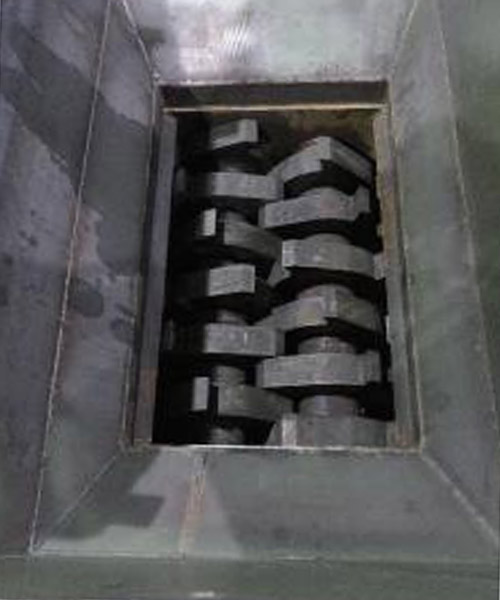
Safety is another important consideration. Damaged or poorly manufactured blades can crack, chip, or fail under heavy loads, creating potential hazards for operators and surrounding equipment. High-quality blades undergo strict manufacturing and heat-treatment processes to ensure strength and reliability. Using reliable blades reduces the risk of unexpected failures and contributes to safer working conditions in recycling facilities. The type of material being processed also highlights the importance of selecting the correct blade quality. Different metals have varying hardness levels and processing characteristics. Heavy steel scrap, for example, requires stronger and more wear-resistant blades compared to softer aluminum materials. Choosing blades designed specifically for the intended application improves performance and prevents premature wear.
Maintenance efficiency is another benefit of superior blade quality. High-quality blades typically maintain sharpness for longer periods and are easier to service or recondition when necessary. This reduces machine downtime associated with blade replacement and helps maintain stable production schedules. Efficient maintenance contributes to overall operational reliability and cost control. In large-scale recycling facilities, blade performance can directly influence profitability. Frequent blade failure or poor cutting quality can reduce throughput, increase maintenance expenses, and negatively affect customer satisfaction. Reliable blades help maximize equipment performance, maintain consistent production rates, and improve the quality of recycled materials, leading to better market competitiveness.
In conclusion, blade quality plays a vital role in the performance and longevity of scrap metal shredders and shears. From improving cutting efficiency and reducing energy consumption to enhancing safety and equipment durability, high-quality blades provide significant operational advantages. For recycling businesses seeking reliable and cost-effective processing solutions, investing in premium blade technology is essential for achieving maximum productivity and long-term success.