
How to Select the Right Scrap Metal Baler for Different Material Types
Selecting the right scrap metal baler is a critical decision for any recycling operation, as it directly affects efficiency, cost control, and final material value. Different types of scrap metals vary in size, density, composition, and handling requirements, making it essential to match the baler’s capabilities with the specific materials being processed. A well-chosen baler not only improves productivity but also ensures consistent output quality and long-term operational reliability. The first factor to consider when choosing a scrap metal baler is the type of material being processed. Light metals such as aluminum cans, thin sheet metal, and small offcuts require balers with moderate compression force and faster cycle times. These materials are easy to compact and benefit from high-speed operation. In contrast, heavier materials such as steel scrap, thick plates, and structural components demand balers with higher hydraulic pressure and stronger structural design to achieve proper compaction.
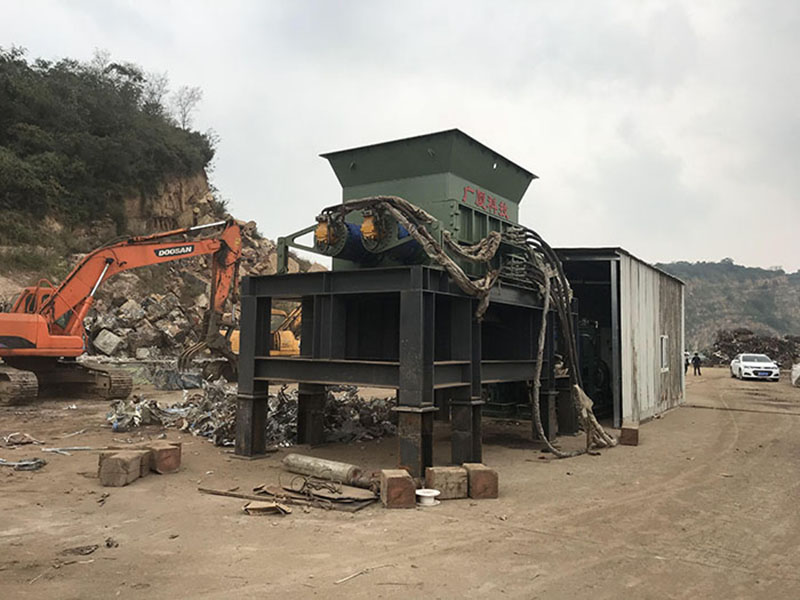
Material density plays an important role in determining the appropriate baler. Low-density scrap requires efficient compression to reduce volume and improve transport efficiency, while high-density materials need machines capable of handling greater resistance during the baling process. Selecting a baler with the right pressure capacity ensures that the final bales are compact, stable, and easy to handle without overloading the machine. Another important consideration is the size and shape of the scrap. Bulky or irregular materials may require pre-processing using shears or shredders before baling. If materials are fed directly into the baler, the chamber size and feeding method must be suitable for handling oversized scrap. Larger feed openings and robust feeding systems help improve workflow and prevent blockages, especially in high-volume operations.
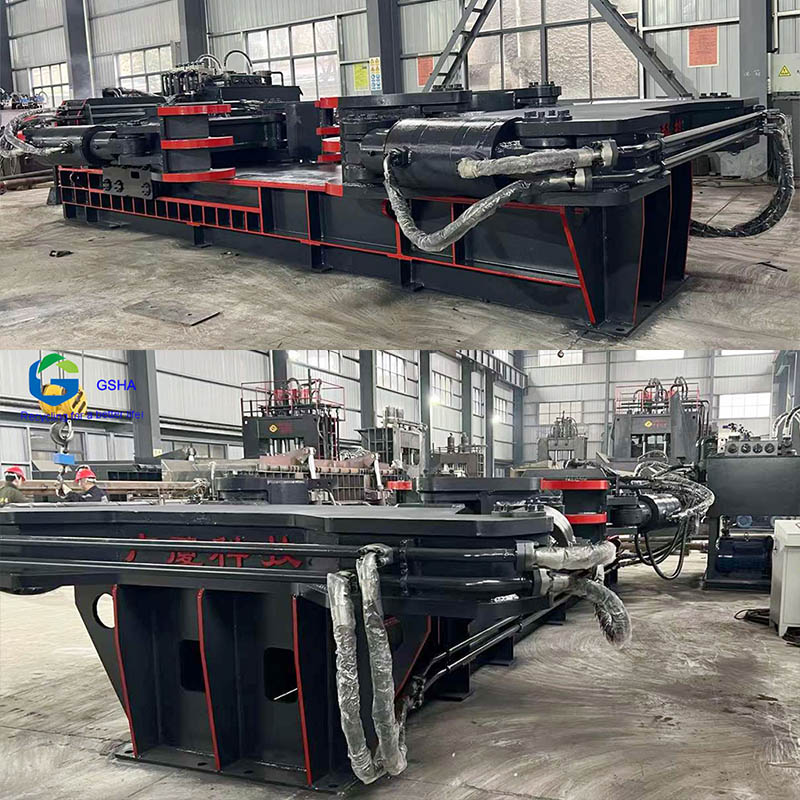
Production volume is also a key factor in baler selection. Small recycling facilities with lower throughput may benefit from compact or semi-automatic balers that are cost-effective and easy to operate. On the other hand, large-scale recycling plants handling continuous material flow should consider high-capacity or fully automated horizontal balers. These machines support continuous feeding and can process large quantities of scrap efficiently, reducing labor requirements and increasing productivity. Bale size and density requirements should not be overlooked. Different buyers and downstream processes may require specific bale dimensions and weights. A baler that offers adjustable bale size and consistent density helps meet market standards and improves the resale value of processed scrap. Uniform bales are also easier to transport and store, contributing to overall operational efficiency.
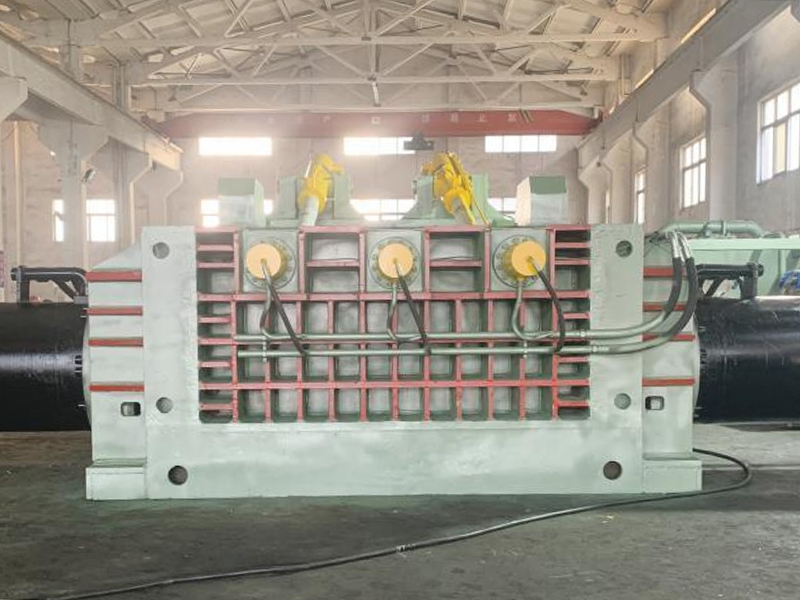
Hydraulic system performance is another critical aspect. A high-quality hydraulic system ensures stable pressure, smooth operation, and consistent compression cycles. Efficient hydraulic performance reduces energy consumption and minimizes wear on components, leading to lower maintenance costs and longer equipment lifespan. When evaluating balers, it is important to consider both power and energy efficiency. Durability and build quality are essential for long-term use. Scrap metal processing is a demanding environment, and balers must be constructed with strong materials and reinforced structures to withstand continuous operation. Investing in a durable machine reduces downtime and ensures reliable performance, especially when handling tough or abrasive materials.
Ease of operation and maintenance also influence the overall effectiveness of a baler. User-friendly controls, accessible maintenance points, and reliable safety features improve operator efficiency and reduce the risk of errors or accidents. Machines that are easy to maintain help minimize downtime and keep production running smoothly. Flexibility and customization options can further enhance the suitability of a scrap metal baler. Recycling operations often handle multiple material types, and a baler that can adapt to different requirements provides greater operational versatility. Customizable features such as feeding systems, bale discharge methods, and automation levels allow businesses to tailor the equipment to their specific needs.
In conclusion, selecting the right scrap metal baler requires careful evaluation of material type, density, size, production volume, and operational goals. By choosing a machine that aligns with these factors, recycling facilities can improve efficiency, reduce costs, and produce high-quality bales that meet market demands. A well-matched baler is not just a piece of equipment, but a key investment that supports long-term success in scrap metal recycling operations.