
Key Factors to Consider When Choosing a Container Shear
Choosing the right container shear is important for scrap recycling facilities that process bulky metal waste, discarded shipping containers, and large steel structures. The right equipment can improve cutting efficiency, simplify material handling, and help maintain a stable production workflow. Before investing in a container shear, businesses should evaluate their material requirements, processing capacity, machine performance, and long-term operating costs. The type of scrap material is one of the first factors to consider. Different facilities handle different types of metal waste, including steel plates, structural steel, container panels, and other heavy metal components. Understanding the material thickness, dimensions, and strength helps determine the cutting force and machine configuration required for efficient processing.
Cutting capacity is another important consideration. A suitable container shear should be capable of handling the maximum dimensions and thicknesses of the materials being processed. Selecting equipment with insufficient capacity may reduce efficiency and place unnecessary strain on machine components. However, choosing a machine that is significantly larger than necessary may increase investment and operating costs. Processing volume should also influence equipment selection. Facilities that handle large quantities of scrap every day need machinery that can support their production targets and maintain consistent performance. Evaluating the expected daily workload, operating hours, and required output helps businesses choose equipment that matches their actual processing demands.
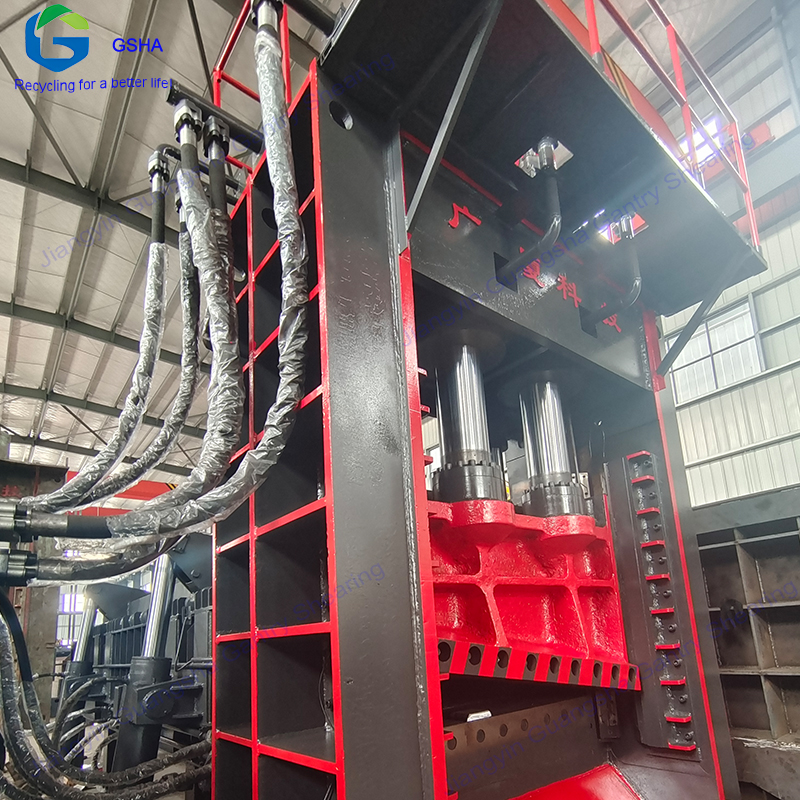
Hydraulic system performance plays a key role in container shear operation. Hydraulic power provides the force needed to cut heavy metal materials. A reliable hydraulic system with suitable pressure, flow capacity, and control functions can support stable cutting performance. Businesses should also consider the availability of replacement components and the ease of servicing hydraulic equipment. Machine structure and durability are equally important. Container shears often operate under demanding conditions involving heavy materials and repeated cutting cycles. A robust frame, suitable blade materials, and well-designed structural components can help the machine withstand operating stresses. Durable construction can also reduce the frequency of major repairs and contribute to a longer service life.
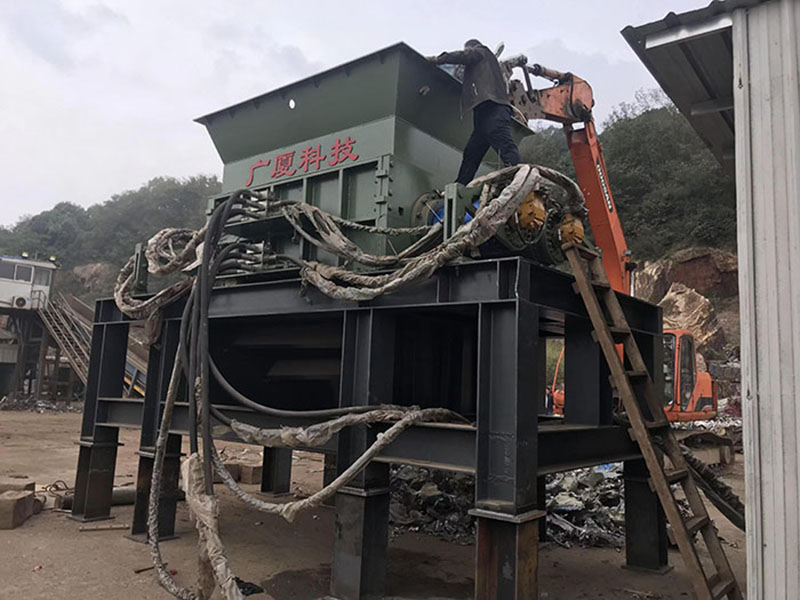
Blade quality directly affects cutting performance and maintenance requirements. Blades must be suitable for the types and thicknesses of scrap being processed. High-quality cutting edges can help maintain consistent results, while replaceable or serviceable blades can simplify routine maintenance. Operators should also inspect blades regularly for wear, damage, and signs of uneven cutting. Material loading and handling methods deserve careful attention. Large metal containers and bulky scrap components can be difficult to move without suitable handling equipment. Before purchasing a container shear, businesses should consider how materials will be loaded, positioned, and discharged. Coordinating the shear with cranes, loaders, conveyors, or other equipment can help create a smoother processing workflow.
Safety features are essential when selecting heavy-duty cutting machinery. Appropriate guarding, emergency stop systems, safe operating controls, and clear maintenance procedures can help reduce operational risks. Workers should receive proper training and follow the manufacturer's instructions when loading materials, operating the machine, and carrying out inspections. Maintenance requirements and operating costs should also be evaluated. Regular hydraulic inspections, lubrication, blade maintenance, and replacement of worn components are necessary to maintain reliable performance. Buyers should consider not only the initial purchase price but also energy consumption, maintenance expenses, spare parts availability, and expected service life when comparing equipment options.
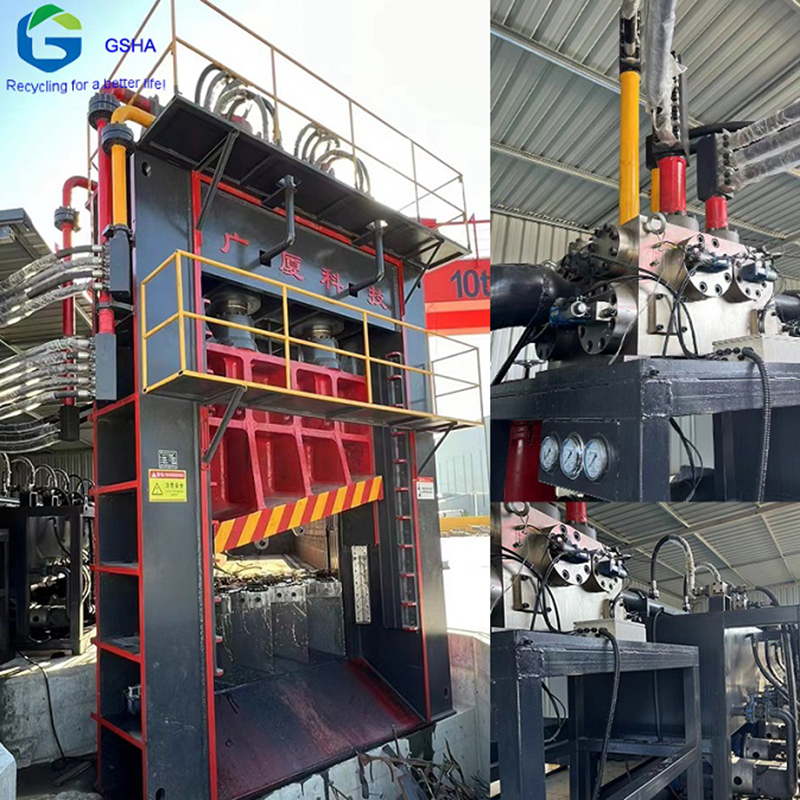
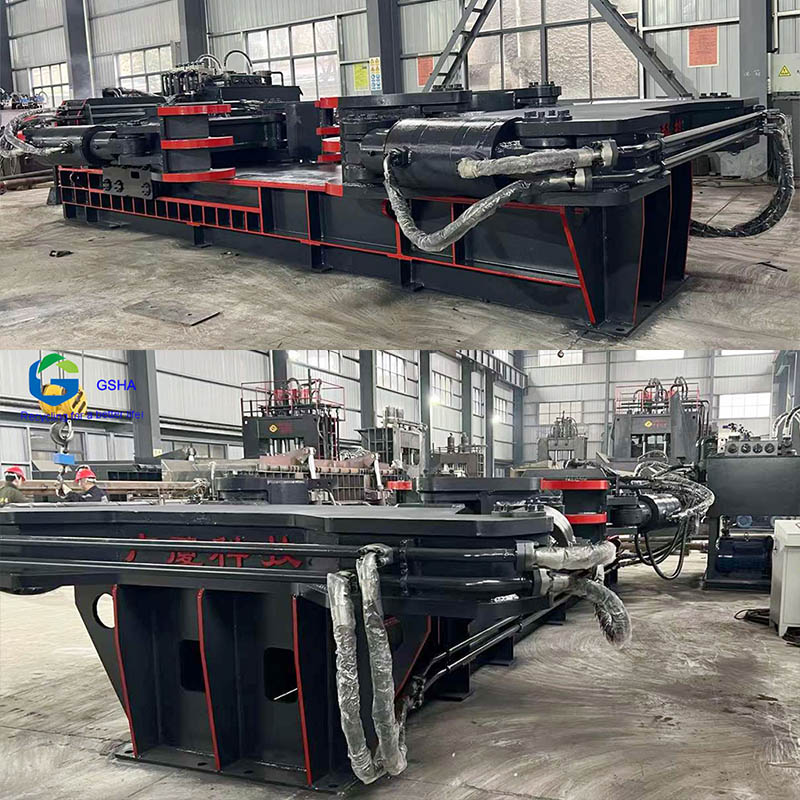
Customization and manufacturer support can make a significant difference for facilities with specialized processing needs. Different recycling plants may have different material dimensions, production targets, and site layouts. Working with a manufacturer that can recommend suitable machine configurations and provide technical assistance helps businesses select equipment that fits their operational requirements. Jiangyin Guangsha Hydraulic Machinery Co., Ltd. provides hydraulic scrap processing equipment for a range of recycling applications, including metal shears, scrap metal balers, bale breakers, pre-shredders, and scrap metal crushers. Its Q91Y Series Gantry Type Metal Shear and Q43 Series Alligator Type Metal Shear serve different cutting requirements, while customized solutions can help customers develop more suitable scrap processing systems. Ultimately, choosing a container shear requires a careful assessment of material characteristics, cutting capacity, production volume, hydraulic performance, durability, safety, and maintenance costs. By matching equipment capabilities with actual operating needs, scrap recycling businesses can improve material processing efficiency, control operating expenses, and build a more reliable recycling operation.