
How to Safely Handle Hazardous Materials in Scrap Recycling
Hazardous materials are commonly found in scrap recycling operations, particularly in end-of-life vehicles, industrial equipment, electronic waste, batteries, oil drums, and metal containers. If these materials are not handled properly, they can pose serious risks to workers, damage recycling equipment, and harm the environment. Establishing safe handling procedures is essential for maintaining efficient recycling operations while complying with environmental and workplace safety regulations. The first step in safely handling hazardous materials is proper identification. Before processing any scrap, operators should inspect incoming materials for potential hazards such as batteries, fuel tanks, pressurized cylinders, chemicals, oils, paints, refrigerants, or electronic components. Early identification allows recycling facilities to separate hazardous items before they enter shredders, shears, or crushers, reducing the risk of accidents and equipment damage.
Proper segregation is equally important. Hazardous materials should never be mixed with general scrap metal. Dedicated storage areas should be established for different categories of hazardous waste, including batteries, chemical containers, waste oils, and electronic components. Clearly labeled storage containers help prevent cross-contamination and make waste management more organized and efficient. Employee training plays a critical role in workplace safety. Workers should receive regular training on identifying hazardous materials, using protective equipment, emergency response procedures, and proper handling techniques. Well-trained operators are more likely to recognize potential risks and respond appropriately, reducing the possibility of workplace accidents.
Personal protective equipment (PPE) is essential when handling hazardous scrap. Depending on the materials involved, workers should wear safety gloves, protective clothing, eye protection, helmets, steel-toe boots, and respiratory protection when necessary. Appropriate PPE minimizes exposure to harmful substances and reduces the risk of injuries during inspection, transportation, and processing. Modern recycling facilities should also establish safe material preparation procedures before processing. Containers, fuel tanks, and oil drums should be emptied, cleaned, and depressurized before entering shredders or crushers. Batteries and electronic components should be removed separately to prevent fires, explosions, or the release of hazardous substances during mechanical processing.

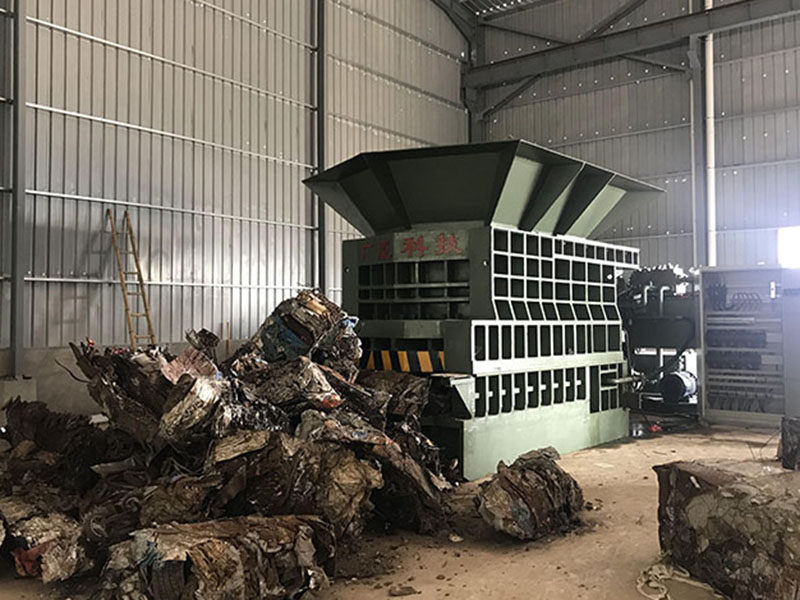
Proper equipment selection further improves safety. Specialized recycling equipment designed for handling hazardous materials can reduce manual handling and improve operational control. For example, dedicated oil drum cleaning production lines, hydraulic shears, and automated material handling systems help minimize worker exposure while increasing processing efficiency. Environmental protection measures are equally important. Facilities should implement spill containment systems, proper drainage, ventilation, and waste collection procedures to prevent hazardous substances from contaminating soil, water, or air. Regular inspections of storage areas and processing equipment help identify leaks or potential environmental risks before they become serious problems.
Emergency preparedness should be part of every recycling facility's safety program. Emergency response plans should include procedures for chemical spills, fires, explosions, hydraulic oil leaks, and worker injuries. Fire extinguishers, spill response kits, first-aid equipment, and clearly marked emergency exits should be readily available, while employees should participate in regular emergency drills. Routine equipment maintenance also contributes to safe hazardous material handling. Hydraulic recycling equipment, conveyors, shredders, and crushers should be inspected regularly to ensure they are operating safely. Well-maintained machinery reduces the likelihood of equipment failure, oil leaks, or mechanical accidents that could increase safety risks when processing hazardous scrap.
In conclusion, safely handling hazardous materials in scrap recycling requires careful planning, proper identification, employee training, appropriate equipment, and strict environmental controls. By implementing comprehensive safety procedures and investing in reliable recycling machinery, facilities can protect workers, improve operational efficiency, and meet regulatory requirements. Safe hazardous material management not only reduces risks but also supports sustainable and responsible recycling practices for long-term business success.