
The Role of Hydraulic Machinery in Reducing Environmental Impact in Recycling
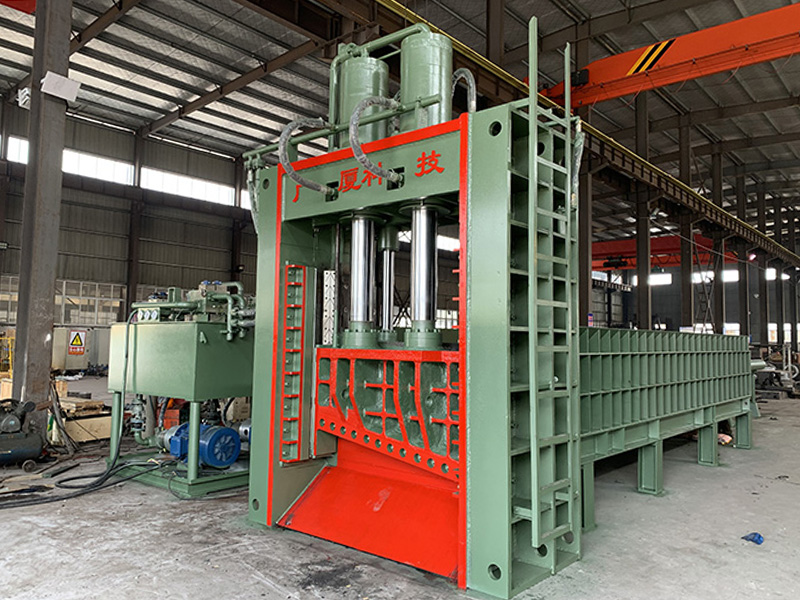
The recycling industry plays a critical role in conserving natural resources and reducing environmental degradation. However, the efficiency and sustainability of recycling operations largely depend on the equipment used in processing materials. Hydraulic machinery has become a cornerstone of modern recycling systems, offering powerful, efficient, and environmentally responsible solutions. By improving processing performance, increasing recovery rates, and reducing energy waste, hydraulic machinery significantly contributes to lowering the environmental impact of recycling activities. One of the most important ways hydraulic machinery reduces environmental impact is by improving material recovery efficiency. Equipment such as hydraulic balers, shears, shredders, and briquette presses enables recycling facilities to process scrap metal and other materials more effectively. High compression forces and precise cutting mechanisms ensure that valuable metals are fully recovered rather than lost as waste. Higher recovery rates mean fewer raw materials need to be extracted through mining, which reduces land disruption, water pollution, and greenhouse gas emissions.
Hydraulic machinery also helps minimize waste volume through effective size reduction and compaction. Scrap materials often occupy large amounts of space in their original form, making transportation inefficient and increasing fuel consumption. Hydraulic balers and compactors compress scrap into dense, manageable units, significantly reducing storage and transport requirements. Lower transportation frequency and optimized logistics directly contribute to reduced carbon emissions. Energy efficiency is another key factor in environmental impact reduction. Modern hydraulic systems are engineered with optimized pump designs, efficient motors, and intelligent control systems that deliver strong performance with lower energy consumption. Compared to outdated mechanical equipment, advanced hydraulic machinery operates with greater precision and reduced energy waste. Lower electricity usage not only cuts operational costs but also reduces the overall carbon footprint of recycling facilities.
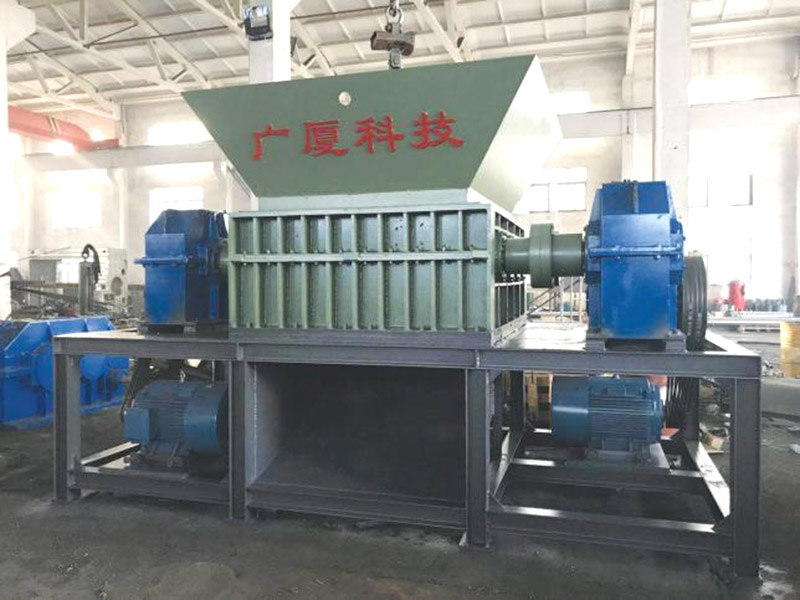
In addition to energy savings, hydraulic machinery supports sustainable processing of complex and mixed materials. Recycling operations often deal with challenging materials such as reinforced steel, mixed metal scrap, and industrial waste. Hydraulic shears and shredders are capable of handling these materials efficiently, ensuring thorough processing and better separation. Improved material separation enhances recycling rates and reduces the likelihood of recyclable materials ending up in landfills. Hydraulic briquetting technology further contributes to environmental sustainability. Metal chips and fine scrap generated during machining processes can be difficult to manage and are often contaminated with cutting fluids. Hydraulic briquette presses compress these metal chips into dense blocks, making them easier to handle, transport, and remelt. This not only reduces waste but also recovers valuable resources that would otherwise be lost, supporting circular economy practices.
Safety and environmental protection are closely linked in recycling facilities. Hydraulic machinery reduces the need for manual handling of heavy and hazardous scrap materials. Automated cutting, compressing, and shredding processes limit direct human contact with sharp or unstable waste, reducing workplace accidents and minimizing accidental material spillage. Cleaner and safer operations help prevent environmental contamination and improve overall facility management. Another environmental advantage lies in equipment durability and long service life. High-quality hydraulic machinery is built to withstand demanding industrial conditions, reducing the need for frequent replacement and minimizing industrial waste generated from worn-out equipment. Durable machines also require fewer spare parts and less maintenance, contributing to resource conservation over time.
Hydraulic machinery also enables recycling facilities to comply with increasingly strict environmental regulations. Governments worldwide are implementing policies aimed at reducing landfill use and encouraging responsible waste management. Advanced hydraulic systems provide the performance and reliability needed to meet these regulatory standards while maintaining efficient operations. Compliance not only avoids penalties but also strengthens a company’s environmental reputation. Furthermore, the integration of automation and monitoring systems in hydraulic equipment enhances environmental performance. Smart controls allow operators to monitor energy usage, optimize operating parameters, and detect inefficiencies in real time. Data-driven management improves resource allocation and ensures that machines operate at peak efficiency, reducing unnecessary energy consumption and emissions.
In conclusion, hydraulic machinery plays a vital role in reducing the environmental impact of recycling operations. Through improved material recovery, energy efficiency, waste reduction, and enhanced safety, these advanced systems support more sustainable and responsible recycling practices. As the global demand for environmentally friendly solutions continues to grow, hydraulic machinery will remain a key driver in advancing the recycling industry toward a greener and more sustainable future.