
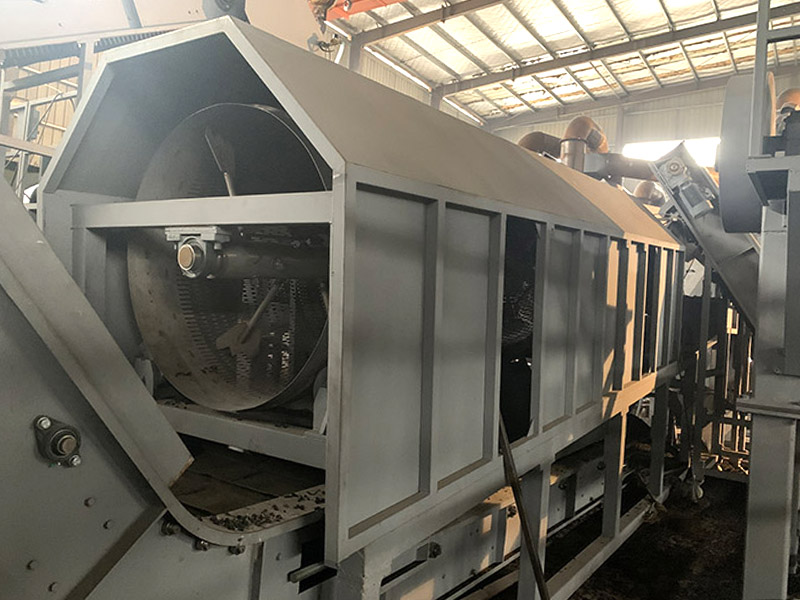
How Semi-Automatic Horizontal Balers Boost Recycling Efficiency in Your Facility
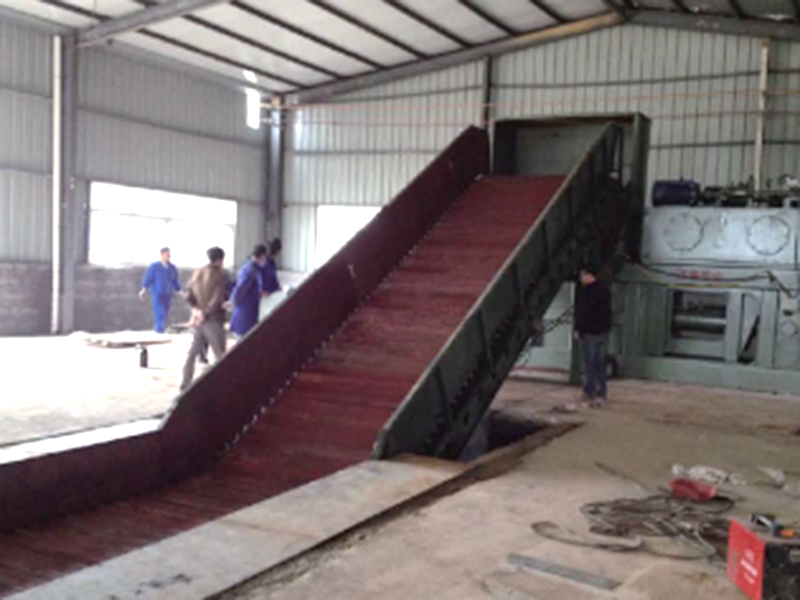
Efficient waste management is a critical factor in the success of any recycling facility. As material volumes increase and operational demands become more complex, businesses require equipment that can handle high throughput while maintaining consistency and cost-effectiveness. Semi-automatic horizontal balers have emerged as a practical solution, offering a balance between automation and control. By compressing recyclable materials into dense, uniform bales, these machines significantly boost recycling efficiency across various types of operations. One of the most important ways semi-automatic horizontal balers improve efficiency is through continuous processing capability. Unlike vertical balers that require frequent manual loading and unloading, horizontal balers are designed for ongoing material feeding. This allows recycling facilities to process large volumes of scrap with minimal interruptions, reducing bottlenecks and increasing overall productivity. Continuous operation is especially valuable in facilities handling high daily input of materials such as metal scrap, paper, or industrial waste.
Another key advantage is the improvement in material compaction. Semi-automatic horizontal balers use strong hydraulic systems to compress loose and bulky materials into tightly packed bales. This reduction in volume makes storage and transportation far more efficient. Facilities can store more processed material in limited space and reduce the frequency of shipments, resulting in lower logistics costs and improved operational organization. Consistency in bale size and density also plays a significant role in enhancing recycling efficiency. Semi-automatic horizontal balers are designed to produce uniform bales, which simplifies handling and stacking. Consistent bale quality ensures smoother downstream processing and improves compatibility with transportation systems. For recycling facilities supplying materials to external buyers or processing plants, uniform bales also contribute to higher product value and better customer satisfaction.
Labor efficiency is another major benefit. Semi-automatic systems reduce the need for constant manual intervention while still allowing operators to maintain control over the process. Automated compression cycles, feeding systems, and bale ejection features streamline operations and minimize manual handling. This not only reduces labor costs but also allows workers to focus on other important tasks within the facility, improving overall workforce productivity. Safety improvements are closely tied to increased efficiency. Handling loose scrap materials can be hazardous due to sharp edges, heavy loads, and unstable piles. Semi-automatic horizontal balers reduce these risks by automating much of the compression and handling process. Built-in safety features such as emergency stop systems, protective covers, and controlled operation help create a safer working environment, reducing the likelihood of accidents and operational disruptions.
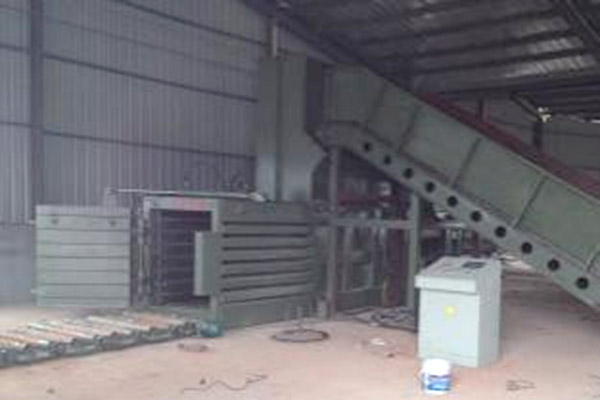
Energy efficiency is another important factor that contributes to improved performance. Modern semi-automatic horizontal balers are designed to optimize hydraulic power usage, delivering strong compression force while minimizing energy consumption. Efficient energy use lowers operating costs and supports environmentally responsible practices, which are increasingly important for recycling businesses aiming to meet sustainability goals. Flexibility and adaptability further enhance the value of semi-automatic horizontal balers. These machines can process a wide range of materials, including metal scrap, plastics, paper, and other recyclable waste. This versatility allows facilities to handle different waste streams using a single piece of equipment, simplifying operations and reducing the need for multiple specialized machines. As recycling demands change, this flexibility ensures that facilities can adapt without major equipment upgrades.
Durability and reliability are essential for maintaining consistent efficiency in recycling operations. Semi-automatic horizontal balers are built with strong structural components and high-quality hydraulic systems designed for continuous use. Their robust construction minimizes wear and tear, reduces maintenance requirements, and ensures stable performance over time. Reliable equipment helps prevent unexpected downtime and keeps operations running smoothly. In addition to operational benefits, these balers contribute to improved overall process flow within a recycling facility. By converting loose materials into compact bales, they create a more organized and manageable workflow. Materials can move more efficiently from collection to storage and transportation, reducing clutter and improving facility layout. This streamlined process enhances both productivity and operational clarity.
In conclusion, semi-automatic horizontal balers play a crucial role in boosting recycling efficiency by improving material handling, reducing labor demands, enhancing safety, and optimizing space and energy use. Their ability to process large volumes continuously while producing consistent, high-quality bales makes them an essential asset for modern recycling facilities. For businesses seeking to improve productivity and maintain competitive operations, investing in semi-automatic horizontal balers is a smart and effective solution.