
Global Impact of Hydraulic Recycling Equipment: Serving Over 70 Countries Worldwide
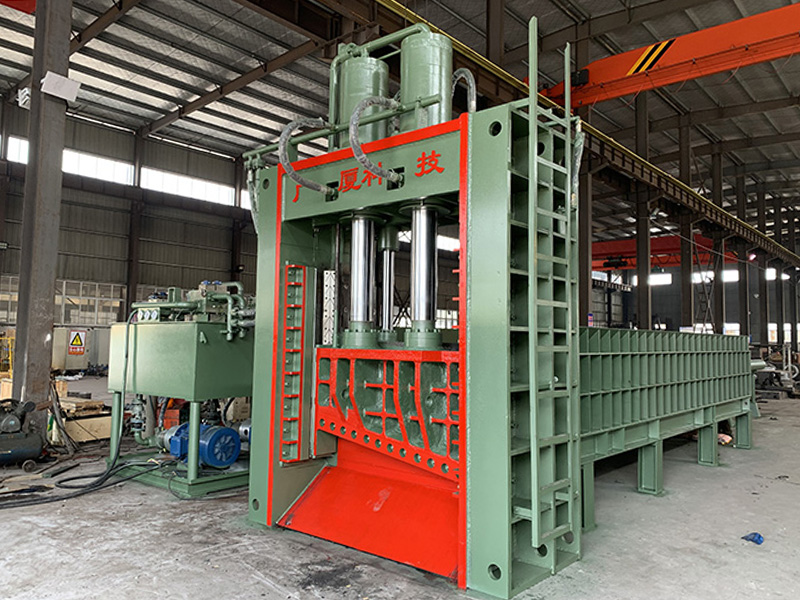
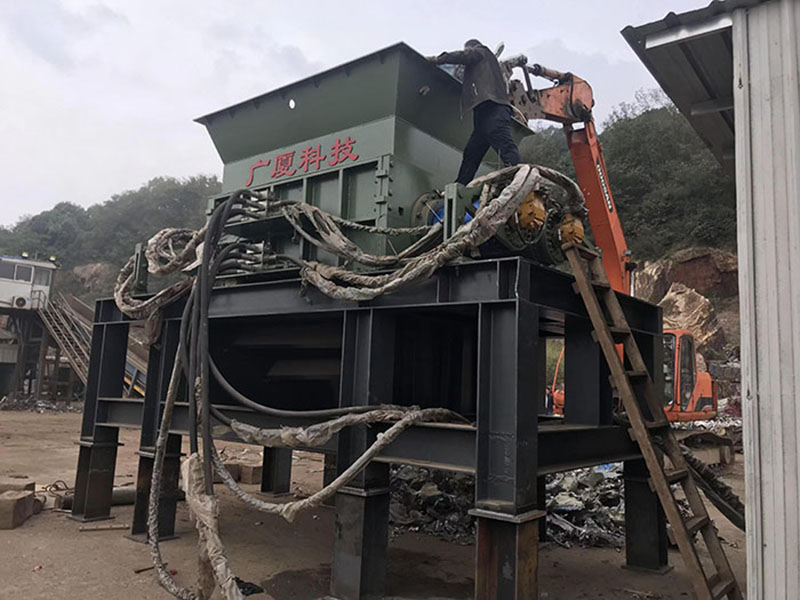
The recycling industry has become a global effort, driven by the need to conserve natural resources, reduce environmental impact, and support sustainable industrial growth. Hydraulic recycling equipment plays a vital role in this transformation, enabling efficient processing of scrap materials across different regions and industries. With the ability to serve over 70 countries worldwide, advanced hydraulic machinery has demonstrated its global impact by helping recycling businesses improve productivity, meet international standards, and contribute to a more sustainable future. One of the most significant aspects of hydraulic recycling equipment is its adaptability to diverse markets. Different countries face unique recycling challenges based on their industrial structure, waste generation patterns, and regulatory frameworks. Hydraulic machines such as scrap metal balers, shears, shredders, and briquette presses are designed to handle a wide range of materials and operational requirements. This flexibility allows recycling facilities around the world to implement efficient solutions regardless of their local conditions.
The global reach of hydraulic recycling equipment highlights its reliability and performance consistency. Equipment that is exported to multiple countries must meet varying technical standards and operate effectively under different environmental conditions. From extreme cold climates to high-temperature industrial zones, hydraulic machinery is engineered to deliver stable performance. This reliability builds trust among international customers and strengthens long-term partnerships across borders. Another important factor contributing to the global impact is the role of hydraulic equipment in improving recycling efficiency. By enabling faster processing, better material separation, and higher recovery rates, these machines help recycling facilities maximize the value of scrap materials. Efficient recycling reduces the need for raw material extraction, which is often associated with environmental degradation and high energy consumption. As a result, hydraulic machinery supports global efforts to reduce carbon emissions and promote sustainable resource use.
Hydraulic recycling equipment also plays a key role in advancing industrial development in emerging markets. In many developing regions, recycling infrastructure is still evolving, and there is a growing need for reliable and cost-effective machinery. By providing durable and efficient equipment, manufacturers help these regions build modern recycling systems that can support economic growth while maintaining environmental responsibility. This contributes to a more balanced global recycling ecosystem. Customization is another factor that enhances the international success of hydraulic recycling equipment. Recycling operations vary widely depending on industry type, material composition, and production scale. Manufacturers that offer tailored solutions can better meet the specific needs of customers in different countries. Customized equipment ensures optimal performance, higher efficiency, and smoother integration into existing recycling systems, making it more attractive to global clients.
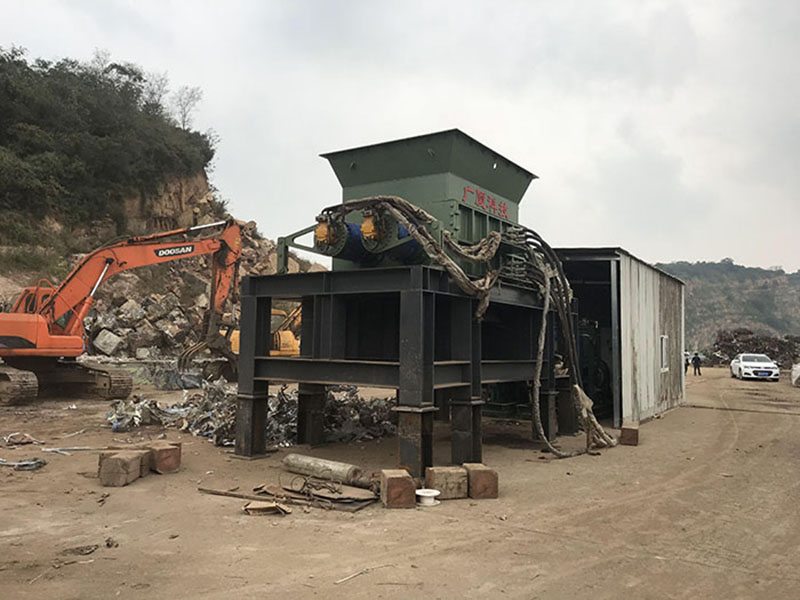
The ability to maintain stable production capacity is essential for serving international markets. With an annual output of over 1,500 sets of hydraulic machinery, leading manufacturers are able to meet global demand while ensuring timely delivery. Reliable supply chains and consistent product quality are crucial for building a strong presence in competitive international markets. This capability enables recycling businesses worldwide to access the equipment they need without delays. In addition to performance and availability, after-sales support plays a crucial role in global impact. Recycling equipment requires proper installation, maintenance, and technical guidance to operate at peak efficiency. Companies that provide comprehensive support services, including training and troubleshooting, help customers maximize the value of their investment. Strong after-sales service builds customer confidence and fosters long-term cooperation across different regions.
Environmental sustainability is at the core of the global adoption of hydraulic recycling equipment. By enabling efficient recycling processes, these machines help reduce landfill waste and lower greenhouse gas emissions. The widespread use of hydraulic machinery supports international environmental goals and contributes to the development of circular economies. As countries increasingly prioritize sustainability, the demand for advanced recycling solutions continues to grow. Technological innovation is further driving the global expansion of hydraulic recycling equipment. Modern machines are equipped with improved hydraulic systems, energy-efficient designs, and intelligent controls that enhance performance and reduce operational costs. These advancements make recycling operations more efficient and accessible, encouraging wider adoption across industries and regions.
In conclusion, the global impact of hydraulic recycling equipment is evident in its widespread use across more than 70 countries. Through adaptability, reliability, efficiency, and sustainability, these machines are transforming how scrap materials are processed worldwide. By supporting industrial growth and environmental responsibility, hydraulic recycling equipment plays a crucial role in shaping the future of the global recycling industry.