
Преимущества инвестиций в современное гидравлическое оборудование для переработки металлолома
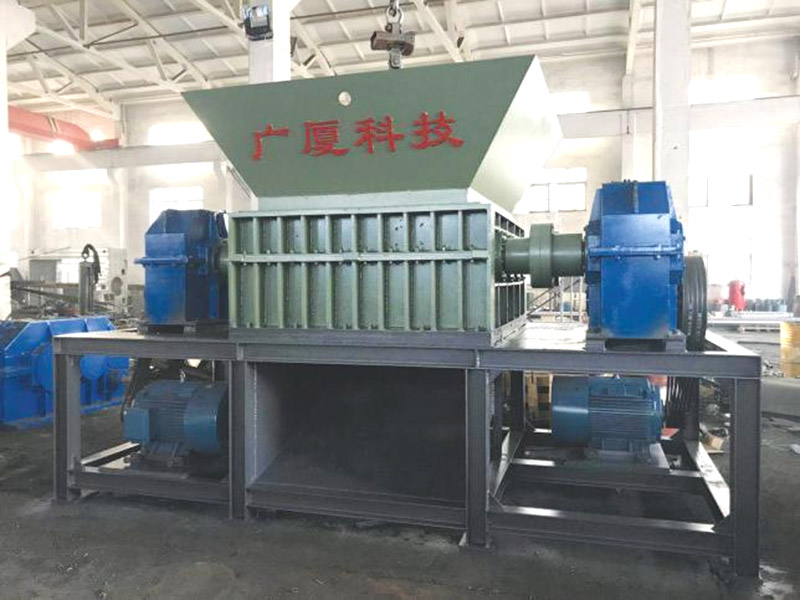
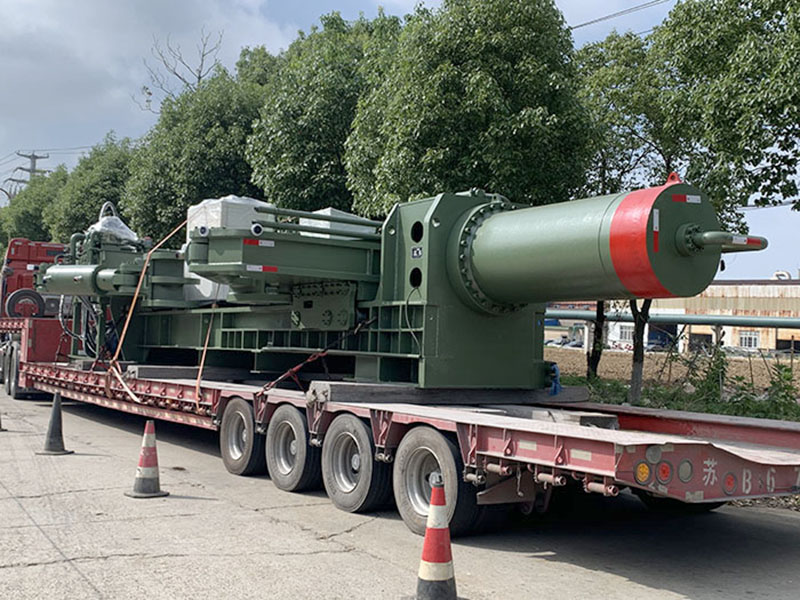
Investing in advanced hydraulic equipment has become a strategic decision for scrap metal processing businesses aiming to improve efficiency, profitability, and sustainability. As global demand for recycled metals continues to rise, recycling facilities must handle higher volumes of scrap while maintaining consistent quality and safety standards. Modern hydraulic machinery offers the performance and reliability required to meet these challenges, making it a valuable long-term investment for the scrap recycling industry. One of the primary advantages of advanced hydraulic equipment is its ability to significantly increase processing efficiency. High-performance hydraulic systems deliver powerful compression, cutting, and shredding capabilities, allowing operators to process large quantities of scrap metal in less time. This improved efficiency reduces bottlenecks in production lines and enables recycling plants to handle higher workloads without expanding their physical footprint.
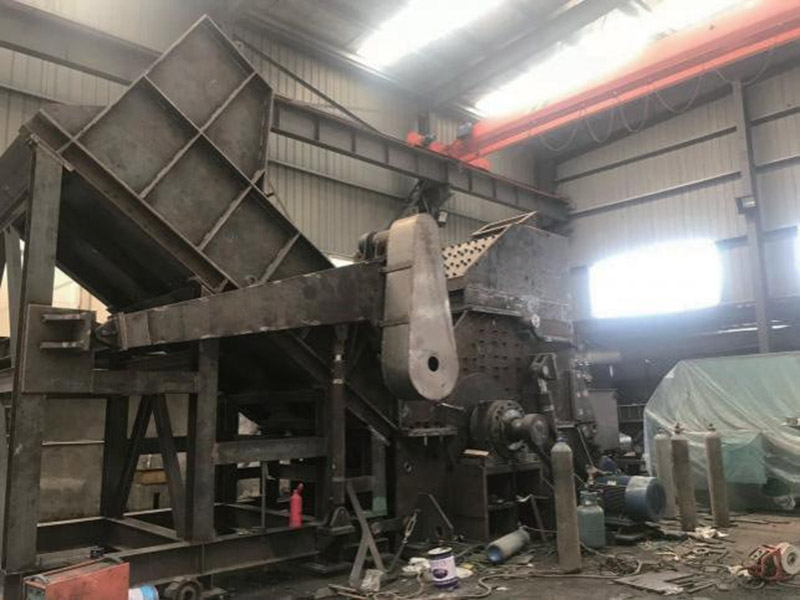
Advanced hydraulic machinery also enhances material handling and output quality. Equipment such as scrap metal balers, metal shears, and shredders are designed to process various types of ferrous and non-ferrous metals with precision and consistency. Uniformly compressed bales and evenly shredded materials improve downstream processing, transportation, and storage, resulting in higher market value for recycled metal products. Durability and long service life are key benefits of investing in high-quality hydraulic equipment. Modern machines are manufactured using robust materials and advanced engineering techniques that allow them to operate reliably in harsh and demanding environments. Reduced equipment failure and lower maintenance requirements help minimize downtime, ensuring continuous and stable production over extended periods.
Another important advantage is improved energy efficiency. Advanced hydraulic systems are designed to optimize power usage while delivering high output performance. Efficient energy consumption not only lowers operating costs but also supports environmentally responsible recycling practices. By reducing wasted energy, recycling facilities can improve their overall sustainability and comply more easily with environmental regulations. Safety is a critical concern in scrap metal processing, and modern hydraulic equipment plays a vital role in improving workplace safety. Advanced machines incorporate safety features such as automated controls, overload protection, and emergency stop systems. These features help reduce manual handling of heavy scrap materials and minimize the risk of accidents, creating a safer working environment for operators.
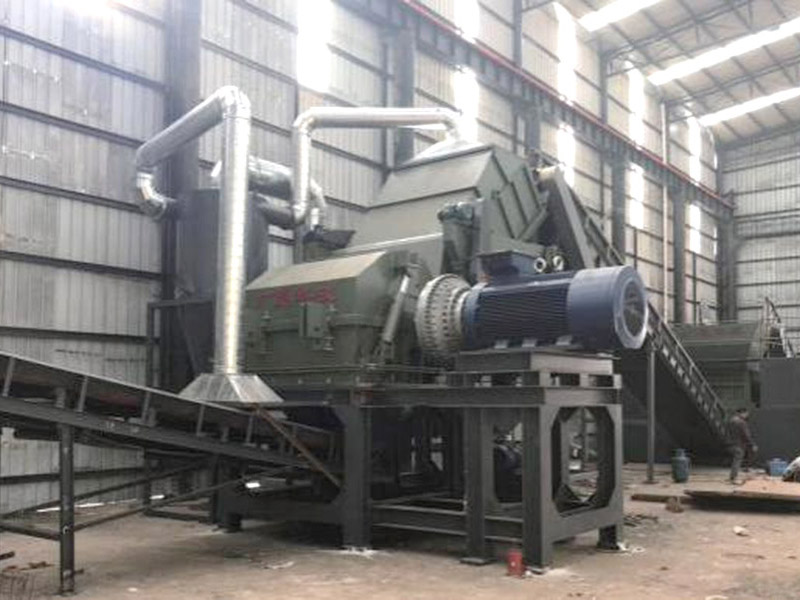
Flexibility and adaptability are additional advantages of advanced hydraulic machinery. Today’s recycling operations often process a wide range of scrap materials, from metal chips and steel bars to containers and end-of-life equipment. Advanced hydraulic equipment can be customized or configured to handle different materials and processing requirements, allowing businesses to adapt quickly to changing market demands. Investing in advanced hydraulic equipment also supports automation and smart operation. Many modern machines are designed to integrate seamlessly into automated recycling lines, improving process control and consistency. Automation reduces reliance on manual labor, enhances productivity, and enables more accurate monitoring of equipment performance and operational efficiency. From a financial perspective, advanced hydraulic equipment offers strong long-term value. Although the initial investment may be higher than conventional machinery, the long-term benefits of lower maintenance costs, reduced downtime, improved efficiency, and higher output quality result in a favorable return on investment. Over time, these advantages contribute to improved profitability and operational stability.
Advanced hydraulic machinery also helps recycling companies strengthen their competitive position in the global market. High-quality processing equipment enables businesses to meet international standards, serve demanding customers, and respond effectively to large-scale recycling projects. This capability is especially important as global recycling industries continue to expand and evolve. In conclusion, investing in advanced hydraulic equipment is a forward-looking decision for scrap metal processing businesses seeking sustainable growth. Enhanced efficiency, durability, safety, energy savings, and operational flexibility make modern hydraulic machinery an essential asset for today’s recycling facilities. By adopting advanced equipment, scrap processors can improve performance, reduce costs, and build a stronger foundation for long-term success in an increasingly competitive industry.