
The Role of Scrap Shredders in Sustainable Metal Recycling Practices
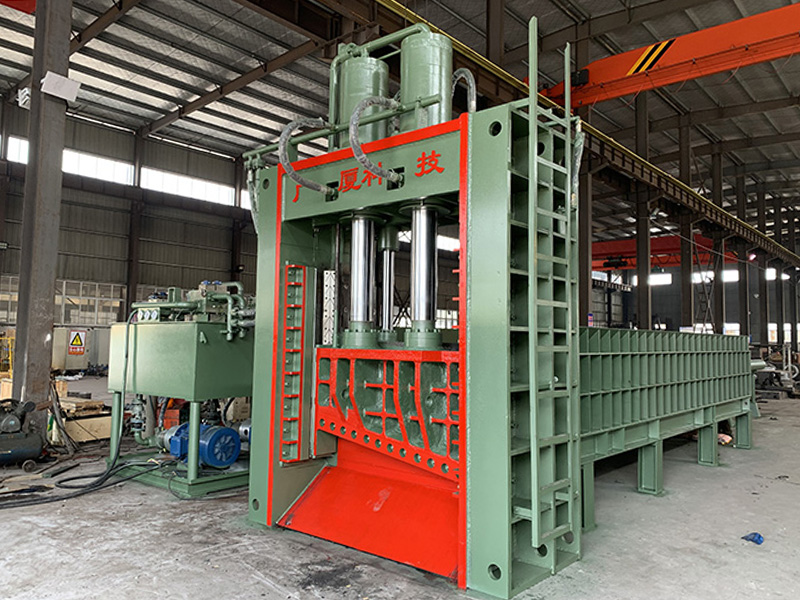
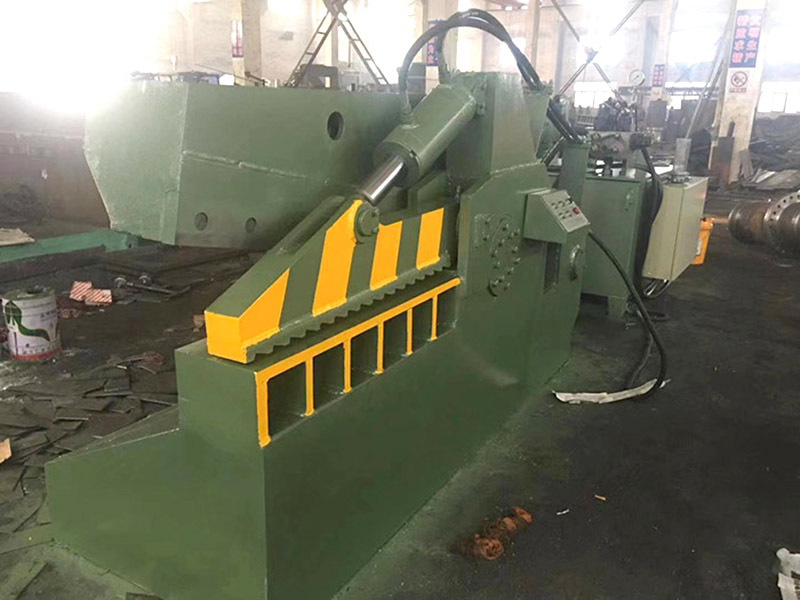
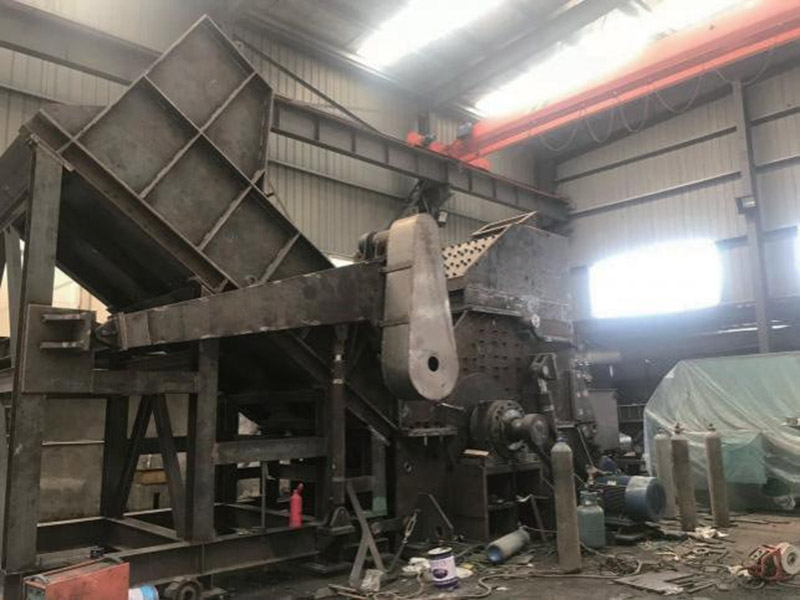
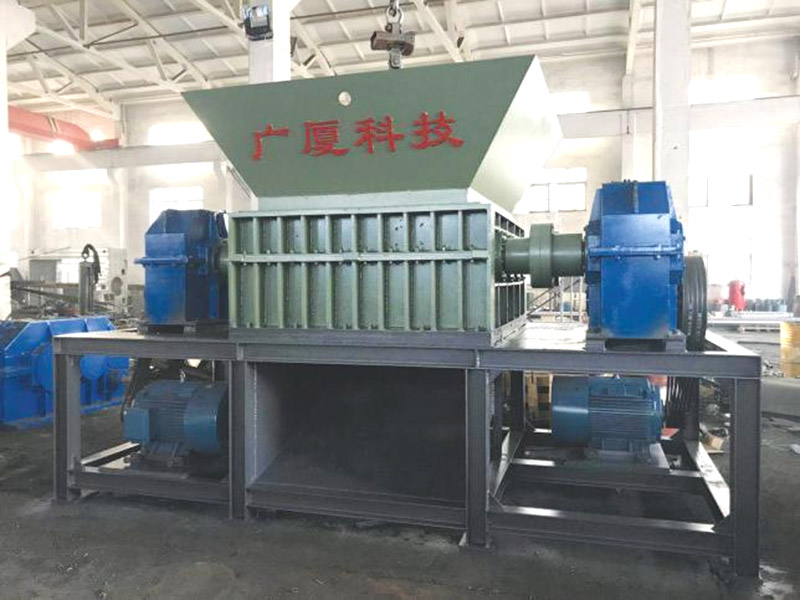
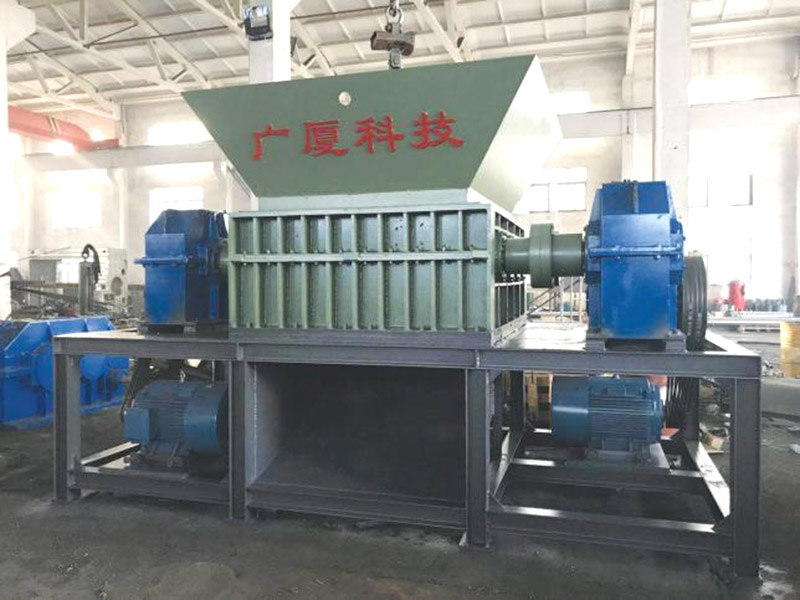
Sustainable metal recycling has become a critical component of modern industrial development as global demand for raw materials continues to rise and environmental regulations become more stringent. At the heart of efficient and responsible recycling operations lies advanced processing equipment, among which scrap shredders play a vital role. By breaking down metal waste into manageable and reusable forms, scrap shredders significantly contribute to sustainability, efficiency, and environmental protection in the metal recycling industry. One of the primary functions of scrap shredders is to reduce the size of bulky and irregular metal waste. Large scrap items such as steel structures, end-of-life machinery, and mixed metal components are difficult to handle and transport in their original form. Scrap shredders efficiently fragment these materials into uniform pieces, making them easier to process, sort, and transport. This size reduction directly improves logistics efficiency and lowers fuel consumption during transportation.
Scrap shredders also play an essential role in improving material recovery rates. Shredding exposes embedded and mixed materials, allowing for more effective separation of ferrous and non-ferrous metals through magnetic and sorting systems. Higher recovery rates mean less material is sent to landfills and more valuable metals are returned to the production cycle. This efficient recovery supports the principles of a circular economy by maximizing the reuse of existing resources. Energy efficiency is another important aspect of sustainability in metal recycling, and modern scrap shredders are designed with this goal in mind. Advanced shredding systems utilize optimized cutting mechanisms and durable components that reduce energy waste while maintaining high throughput. By processing large volumes of scrap in shorter periods, shredders help recycling plants minimize energy consumption per ton of material processed.
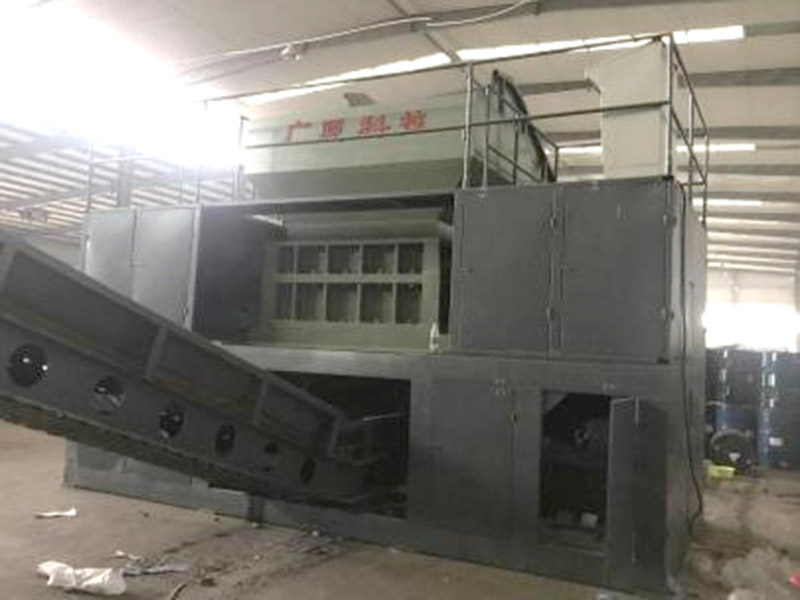
Environmental impact reduction is a key benefit of using scrap shredders. By enabling efficient recycling of metal waste, shredders reduce the need for primary metal production, which is typically energy-intensive and environmentally damaging. Recycling metals through shredding consumes significantly less energy and generates fewer greenhouse gas emissions compared to mining and refining virgin materials. This makes scrap shredders a powerful tool in reducing the overall carbon footprint of the metal industry. Scrap shredders also enhance workplace safety and operational stability. Handling large, sharp, and irregular metal scrap manually poses serious safety risks. Shredders automate the size reduction process, minimizing direct human contact with hazardous materials. Modern machines are equipped with safety systems such as overload protection, controlled feeding, and emergency stops, creating safer working environments for operators.
Another important contribution of scrap shredders to sustainable practices is their ability to handle diverse material streams. Recycling facilities often process a mix of ferrous metals, non-ferrous metals, and contaminated scrap. Advanced shredders are engineered to handle these variations efficiently, ensuring consistent output quality. This adaptability allows recycling businesses to respond to changing market demands and waste streams without compromising sustainability goals. Scrap shredders also support downstream recycling processes by producing uniform material sizes. Consistent shred size improves the efficiency of subsequent operations such as baling, melting, and remanufacturing. Uniform feedstock enhances furnace performance in metal production facilities, leading to better energy efficiency and reduced processing losses.
From an economic perspective, investing in high-quality scrap shredders contributes to long-term sustainability by improving profitability. Higher throughput, reduced downtime, lower maintenance requirements, and improved material quality all contribute to better operational economics. Sustainable recycling practices are most effective when they are economically viable, and scrap shredders help bridge this gap. In conclusion, scrap shredders play a central role in sustainable metal recycling practices by improving efficiency, enhancing material recovery, reducing environmental impact, and supporting safe operations. As the recycling industry continues to evolve toward greener and more responsible processes, advanced scrap shredding technology will remain a cornerstone of sustainable metal recycling and a key driver of environmental and economic benefits.