
The Future of Scrap Metal Recycling: How Hydraulic Machinery is Leading the Way
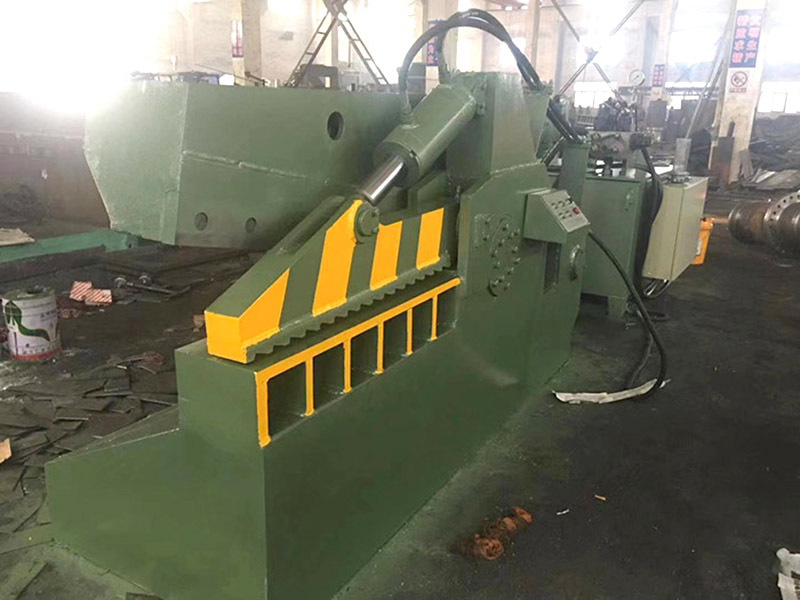
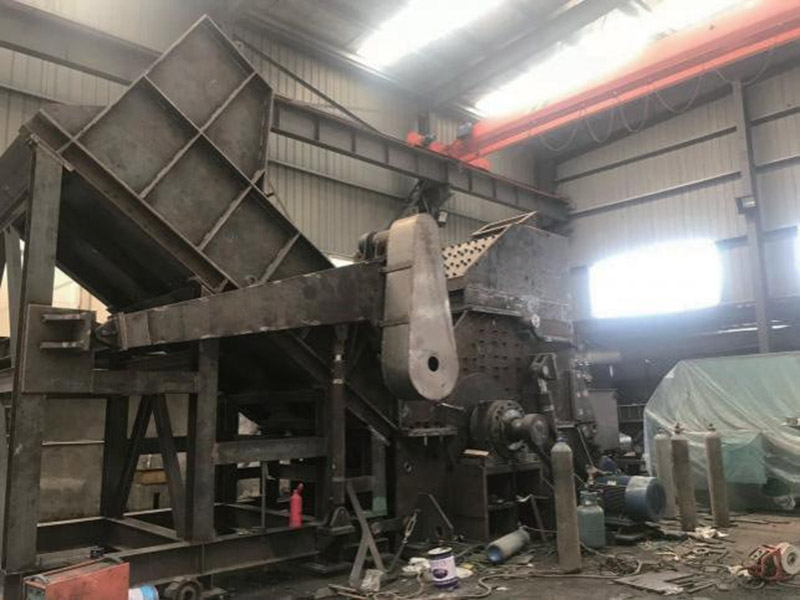
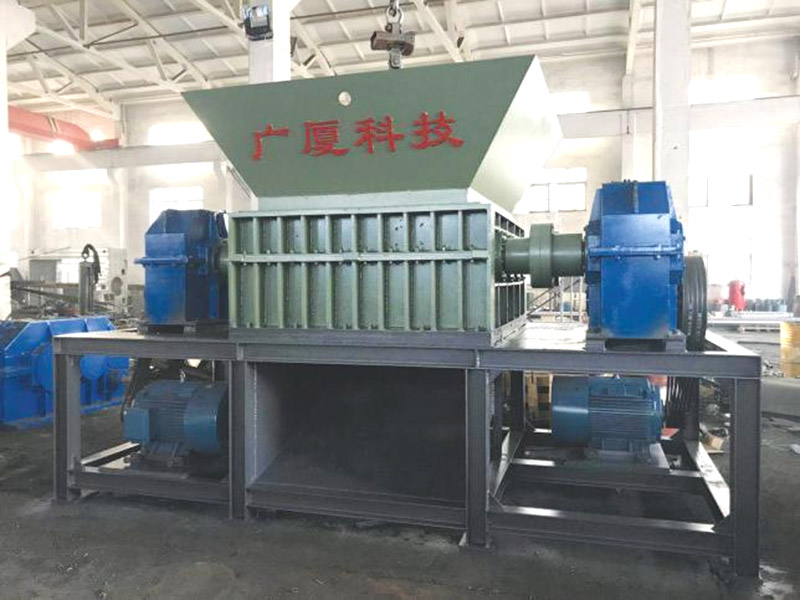
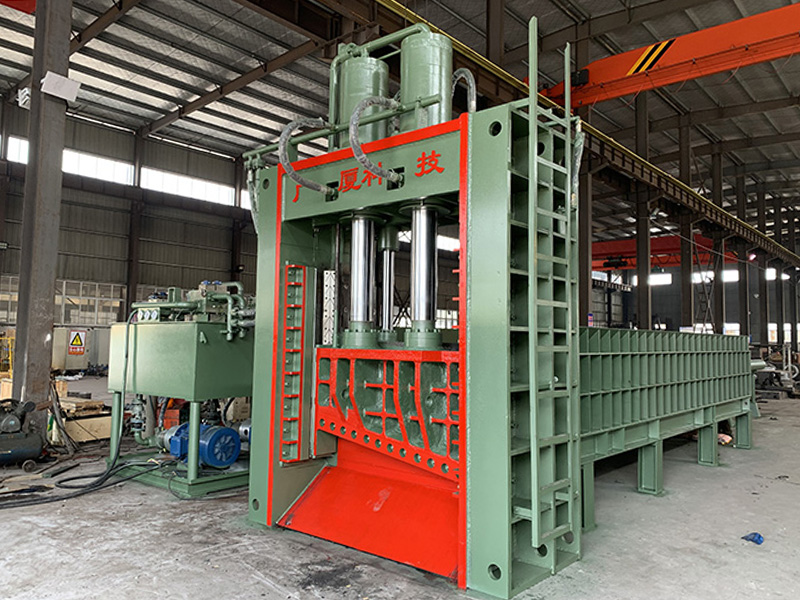
The scrap metal recycling industry is entering a new era driven by technological advancement, environmental responsibility, and rising global demand for recycled materials. As industries and governments place greater emphasis on sustainability and resource efficiency, recycling facilities are under pressure to process larger volumes of scrap metal with higher efficiency and consistency. In this transformation, hydraulic machinery is playing a central role, shaping the future of scrap metal recycling and setting new standards for performance and reliability. One of the most significant trends influencing the future of scrap metal recycling is automation and mechanization. Manual processing methods are increasingly unable to meet modern production requirements due to safety risks, labor shortages, and limited efficiency. Advanced hydraulic machinery such as scrap metal balers, shears, shredders, and crushers enables recycling facilities to automate key processes, significantly increasing throughput while reducing dependence on manual labor. This shift allows companies to operate more efficiently and competitively in a rapidly evolving market.
Hydraulic machinery is also leading the way in handling a wider variety of scrap materials. Today’s recycling streams include everything from light metal chips and aluminum scrap to heavy steel structures, end-of-life vehicles, and industrial waste. Modern hydraulic equipment is designed to adapt to these diverse materials through adjustable pressure, cutting force, and processing configurations. This flexibility ensures that recycling plants can respond quickly to changing material flows and market demands without major equipment upgrades. Efficiency and energy optimization are critical factors shaping the future of recycling operations. Hydraulic systems are now engineered to deliver maximum output with optimized energy consumption. High-efficiency hydraulic pumps, precision control systems, and improved structural designs help reduce power waste while maintaining strong cutting and compression performance. As energy costs continue to rise, these advancements allow recycling companies to lower operating expenses and improve overall profitability.
Environmental sustainability is another driving force behind the adoption of advanced hydraulic machinery. Efficient baling, shredding, and briquetting reduce scrap volume, making transportation more economical and lowering carbon emissions. Equipment such as metal chip briquette presses enables the recovery and reuse of fine metal waste that was previously difficult to recycle. By improving material recovery rates and reducing waste, hydraulic machinery supports circular economy goals and helps industries meet stricter environmental regulations. Safety improvements are also shaping the future of scrap metal recycling. Modern hydraulic machines are designed with operator safety in mind, incorporating features such as automated controls, overload protection, emergency stop systems, and reduced manual handling. These safety enhancements help minimize workplace accidents and create more controlled and predictable operating environments, which is increasingly important as recycling facilities scale up operations.
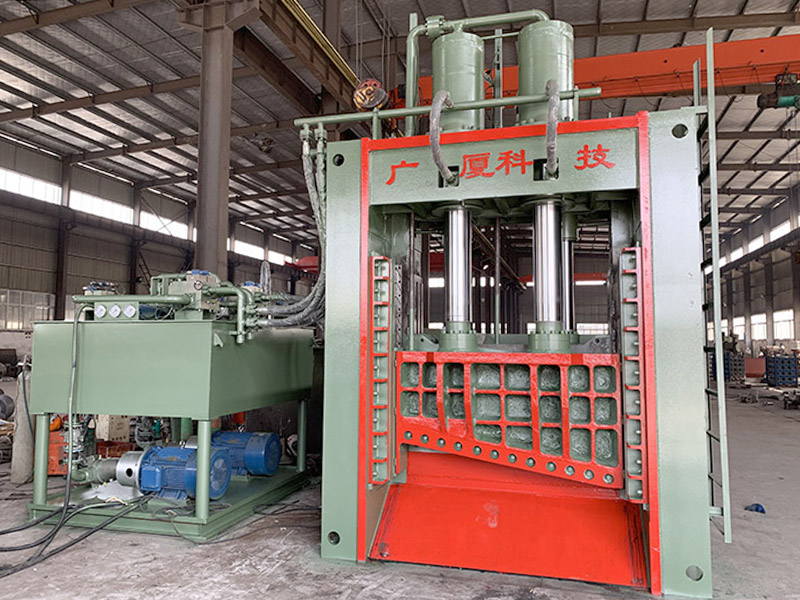
Customization and system integration will continue to play a vital role in future recycling solutions. Recycling plants are no longer looking for standalone machines but for integrated systems tailored to their specific workflows. Hydraulic machinery manufacturers are responding by offering customized equipment and complete recycling lines that seamlessly combine shearing, shredding, baling, and material handling. This integrated approach improves efficiency, reduces downtime, and ensures smoother production flows. Digitalization and intelligent control systems are further defining the next generation of hydraulic recycling machinery. Monitoring systems, automated diagnostics, and data-driven performance analysis help operators track machine efficiency, predict maintenance needs, and optimize production schedules. These smart features enhance equipment reliability and extend service life, making recycling operations more resilient and future-ready.
On a global scale, hydraulic machinery is enabling recycling companies to meet international standards and compete in global markets. High-performance equipment ensures consistent output quality, which is essential for export-oriented recycling businesses. As global trade in recycled metals continues to grow, advanced hydraulic solutions provide the foundation for stable and scalable operations. In conclusion, the future of scrap metal recycling is closely tied to the continued advancement of hydraulic machinery. Through improved efficiency, flexibility, safety, and sustainability, hydraulic equipment is redefining how scrap metal is processed and reused. As the industry moves toward smarter, greener, and more automated operations, hydraulic machinery will remain at the forefront, leading the way toward a more sustainable and efficient recycling future.